What Specific Type and Brand of Seals Do You Use in Your Track Rollers and Idlers?

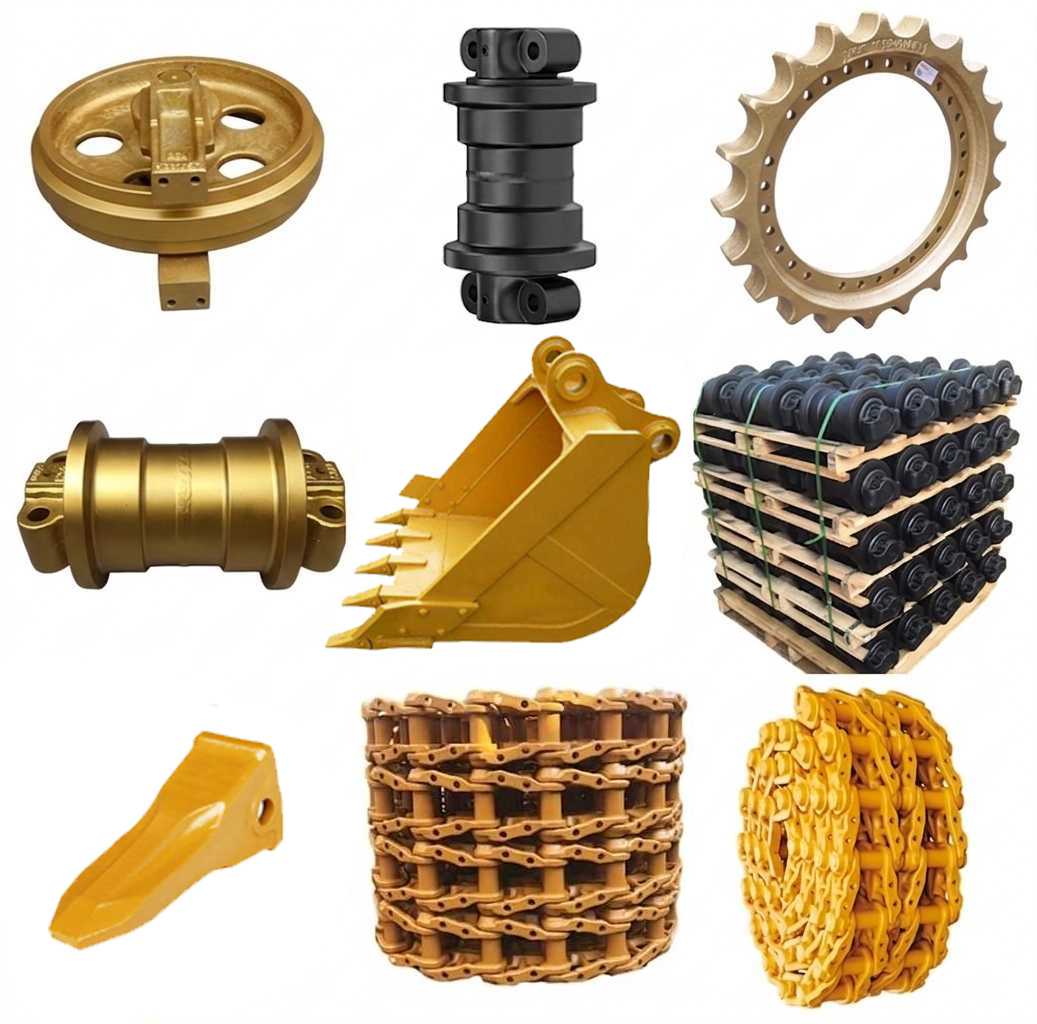
Detailed view of a metallic bearing showing engineering precision and design.

Track rollers and idlers are crucial components in construction machinery, taking the brunt of tough conditions. My curiosity piqued when I realized how vital durable seals 1 are for their functionality.

Heavy-duty floating face seals or Duo-Cone seals are integrated into these components. These seals consist of precision-ground metal rings with elastomer toric rings designed for undercarriage applications. As someone keenly interested in machinery performance, understanding the seal choices is crucial.

Seals are critical in keeping machinery moving seamlessly. Let's delve into why these seals make an ideal choice for track rollers and idlers.

Why Did You Choose This Specific Brand of Floating Seals?

Leading paragraph:

Many brands offer high-quality seals, yet the choice comes down to proven performance and reliability. When I evaluate seal choices 2 for machinery, it’s always about balancing service life and cost-effectiveness.

Floating seals from reputable brands like SKF, CAT, Rvton, and Fuyote are preferred for their durability and compatibility with heavy-duty applications. These brands have established a steadfast reputation over time.

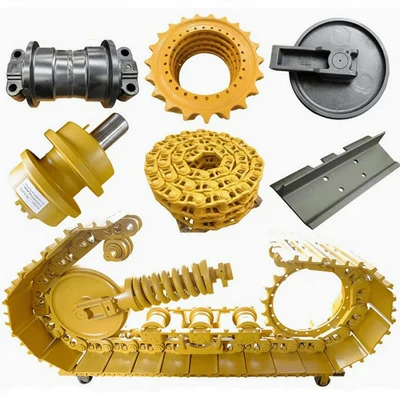
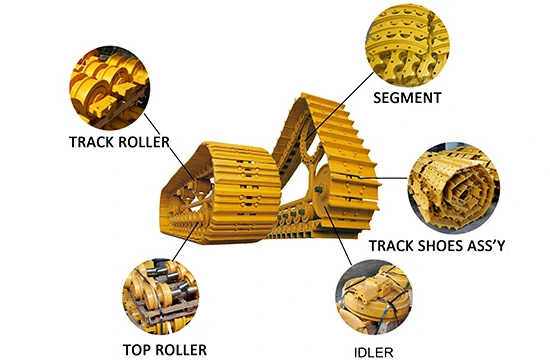
Illustration of machinery track system, including various industrial components.

Understanding the selection of seals involves recognizing their resistance to dirt, moisture, and pressures. Brands often use metal-to-metal designs 3 to withstand rugged environments, crucial for maintaining the lubrication and preventing wear in these critical components.

Material and Design of Floating Seals

Seal Type Material Features
Duo-Cone Metal rings Heavy-duty, abrasion-resistant
Toric Rings Elastomers High-temp resistant
Polyurethane Seals Polyurethane Moisture and debris resistant

Duo-Cone seals 4 are often made from hardened alloy steel or cast iron, equipped to handle shock loads and abrasions. The metal rings run against each other, energized by rubber toric rings, providing an effective barrier against external contaminants.

Various elastomers like NBR and HNBR 5 are utilized for their temperature resilience. More extreme temperature applications may require silicone. These components ensure longevity and stability despite external pressures.

Can You Provide the Technical Data Sheet for the Seals?

Leading paragraph:

Technical specifications often illuminate the choices behind product designs. It's essential to understand the exact configurations and capabilities of seals when selecting machinery parts 6.

The technical data sheets detail seal dimensions, materials, hardness ratings, and performance metrics. These provide a comprehensive overview of the seal's operational capabilities.

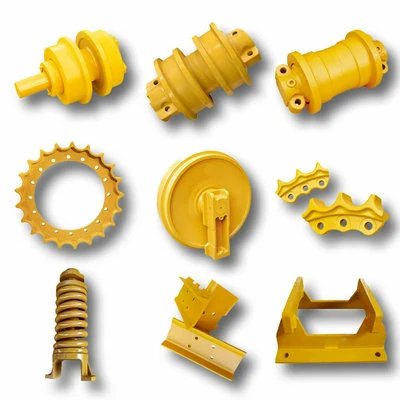
Technical report with calipers, showcasing material specifications and design features.

Technical data sheets often include the seal model number, compatible machinery components, and certifications 7. Notably, these sheets highlight the seal’s resistance characteristics and material compositions.

Example Data Sheet Content

Specification Value
Material High-carbon steel
Hardness 58-62 HRC
Temperature Range -40°C to 120°C
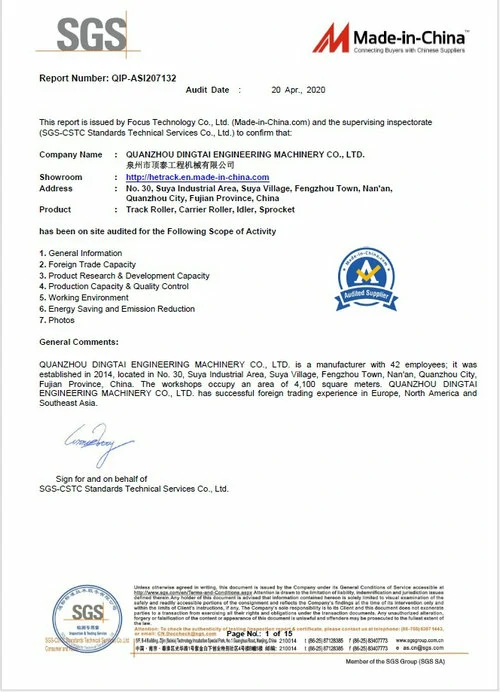
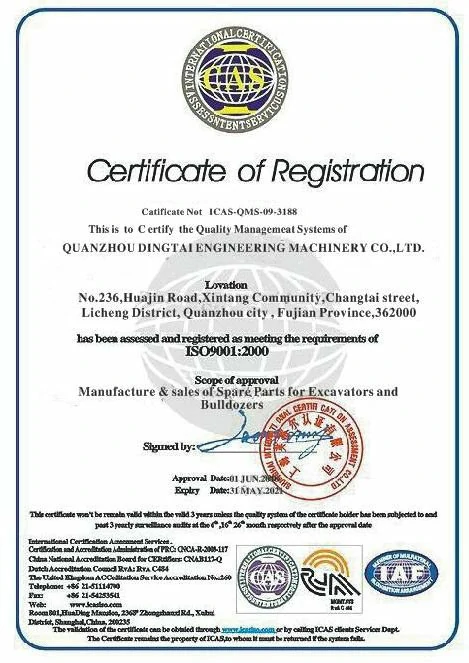
Certification ISO9001, SGS

Understanding these specifications allows procurement teams 8 and technicians to align seals perfectly with their machinery requirements. Checking certification ensures compliance with international standards, reassuring buyers like myself of quality assurance.

What is the Expected Service Life of These Seals?

Leading paragraph:

Anticipating longevity and performance is vital in maintaining operational efficiency. Seal life expectancy 9 is a key factor in selecting machinery components.

Service life for floating seals in track rollers and idlers is designed to be extensive, often exceeding several thousand operational hours under normal conditions.

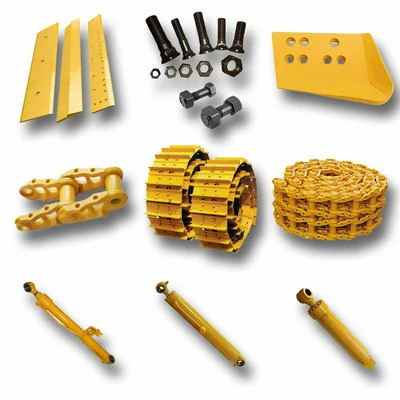
Iconographic representation of industrial resources in factory layout.

Several factors contribute to the lifespan of these seals. Material quality, design precision, and operational environment play significant roles. Regular maintenance and suitable application extend the seal life significantly.

Factors Affecting Seal Longevity

  • Material Strength: High-grade alloys offer greater wear resistance.
  • Design Precision: Duo-Cone geometry reduces misalignment and wear.
  • Environmental Conditions: Seals perform optimally in controlled environments.
  • Maintenance Practices: Regular checks and prompt replacements ensure longevity.

Despite high resilience, seals undergo wear and tear; understanding and integrating specific maintenance schedules 10 can optimize service life.

Do You Offer Different Seal Options for Different Applications?

Leading paragraph:

Different operating conditions necessitate diverse product choices. How manufacturers adapt their seal offerings speaks to both customer preferences and technical requirements.

Yes, alternative seal configurations exist to cater to varying operational demands—from standard residential projects to heavy-duty mining applications.

Process illustration of materials from factory to construction site.

Standard seals work effectively for regular construction machinery, while mining operations demand elastomers resistant to extreme abrasions and heat. Manufacturers design seals to align with intensity, environment, and longevity requirements.

Seal Options for Applications

Application Seal Type
Regular Standard Duo-Cone
Mining Enhanced elastomers
High-temperature Silicone configurations

Having a range of options ensures machinery can operate optimally in any environment, handling technical challenges with ease.

Conclusion

Understanding seal types, brands, and applications enhances machinery performance and service life. Selecting the right seal is vital for optimal equipment operation and longevity.

Footnotes

1. Understand the fundamental purpose and function of mechanical seals in preventing leakage. ↩︎
2. A detailed guide on selecting the appropriate seal for various fluid power applications. ↩︎
3. Learn more about SKF's floating seal designs and their application in heavy-duty machinery. ↩︎
4. Official product details from Caterpillar explaining the design and benefits of their Duo-Cone seals. ↩︎
5. Explore an elastomer selection guide, highlighting the properties of NBR and HNBR for various temperatures. ↩︎
6. Article discussing the common causes of failure in machine parts and how to prevent them. ↩︎
7. Information on the role and different types of certifications for quality management systems. ↩︎
8. Insights into the key functions and strategic importance of modern procurement teams in an organization. ↩︎
9. Directory information providing an overview of factors influencing the expected service life of industrial seals. ↩︎
10. Guide to creating effective preventive maintenance schedules to maximize equipment lifespan. ↩︎

Free Quote & Information Request

Leave your inquiry, we will provide you with quality products and services!

Excavator & Bulldozer Undercarriage Parts Expert - Quality Track Roller, Carrier Roller, Sprocket Wheel
Privacy Overview

This website uses cookies so that we can provide you with the best user experience possible. Cookie information is stored in your browser and performs functions such as recognising you when you return to our website and helping our team to understand which sections of the website you find most interesting and useful.