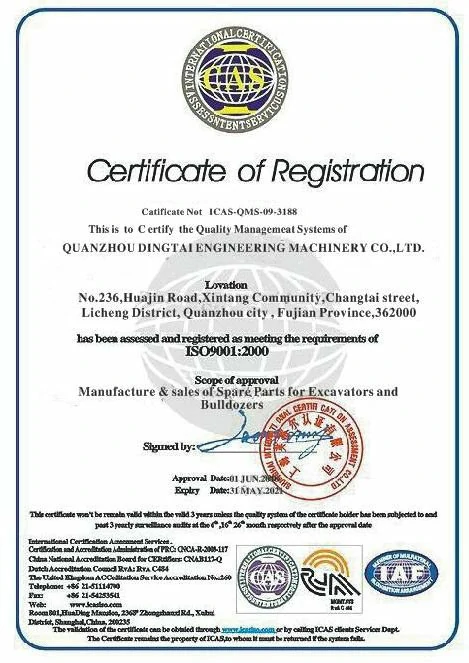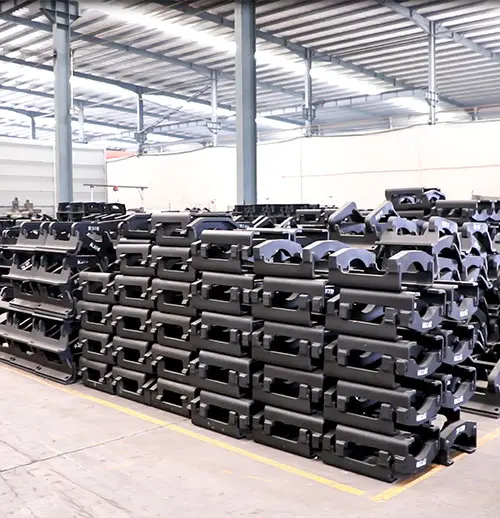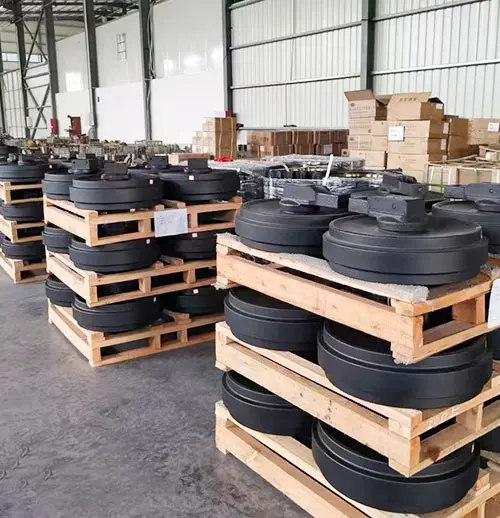
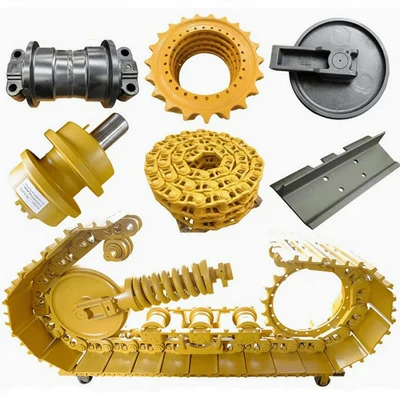
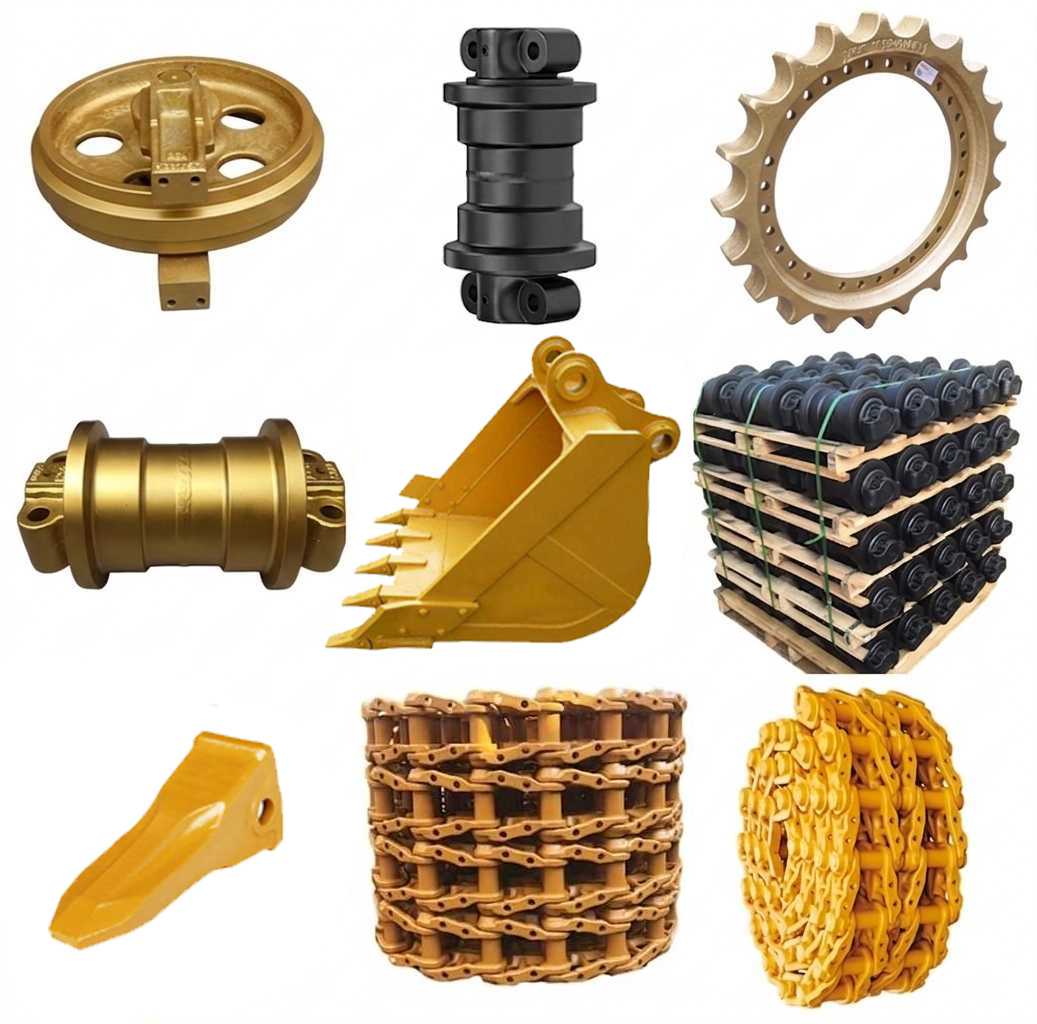
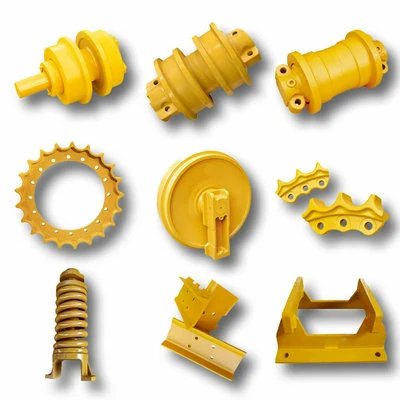
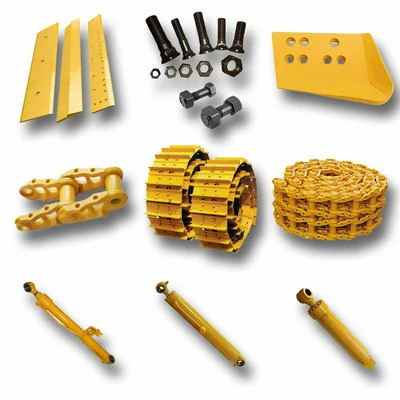
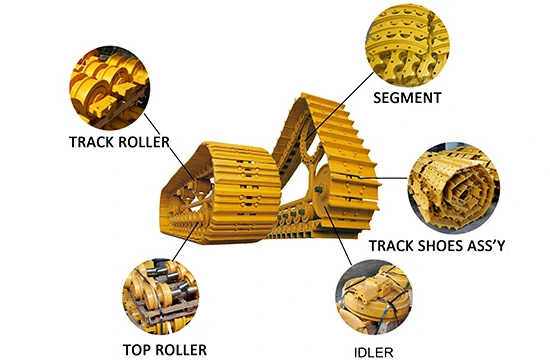
When I buy bulldozer undercarriage parts 1, I want to be sure of their quality. The ISO 9001 certificate 2 is one way I achieve this. It helps me avoid receiving subpar products that can lead to costly delays.
To verify a manufacturer's ISO 9001 and SGS certifications, it's critical to obtain the latest valid copy of the certificates directly from them. Examine details such as certification number, expiry date, and certifying body. These aspects ensure the authenticity of the certificates and their applicability to undercarriage parts manufacturing.
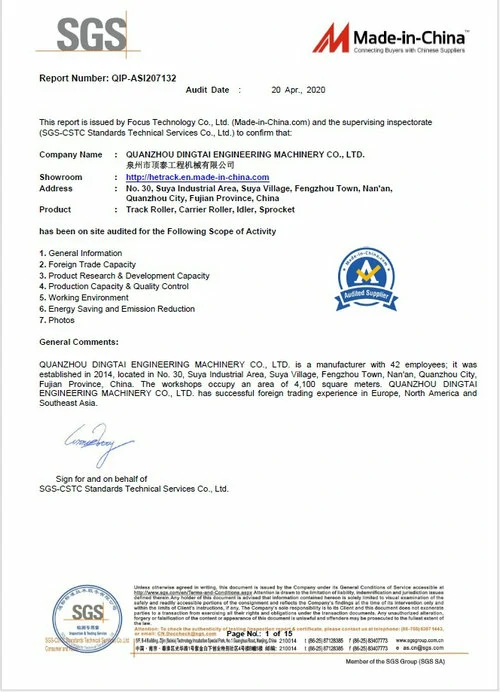
I need to also confirm that the SGS certification 3 covers the specific manufacturing processes I depend on. This guarantees consistent quality in the components I need.
Can I please get a valid copy of your current ISO 9001 certificate?
If a supplier tells me they are ISO 9001 certified, I want to see proof. Once, I received components that failed under stress tests 4 because the supplier's certification was outdated.
Requesting and obtaining a valid copy of the current ISO 9001 certificate is essential for confirming compliance with quality management standards. Details on the certificate, such as the certifying body and its effective dates, assure buyers of the certification's current and applicable status.
To ensure the certificate is valid:
- Check the certification's expiry date: An expired certificate is not reliable for ensuring quality.
- Examine the certification number: This allows for cross-verification with the certifying body 5.
- Review the certifying body details: Knowing who issued the certificate adds credibility to the claim.
What specific processes are covered by your SGS certification?
An SGS certification should cover all critical processes. I once worked with a supplier whose SGS certification only covered some production stages, causing unexpected failures during final testing 6.
SGS certification should encompass all critical manufacturing processes related to bulldozer undercarriage parts. Reviewing these details ensures comprehensive quality assurance and helps align product specifications with the certification scope.
The key processes covered often include:
- Material sourcing: Ensuring quality materials for enduring components 7.
- Production techniques: Verification of robust manufacturing methods.
- Final inspections: Confirming parts meet precise specifications before shipping.
Utilizing SGS Tools for Verification
You can use SGS's online directories and verification tools 8 to:
- Search certifications by company name or certification number.
- Access detailed information regarding certified processes.
- Validate authenticity and current status of SGS certifications.
Who is the certifying body for your ISO registration?
Knowing the certifying body is vital. Once, I found that a certifying body was not recognized internationally, affecting the credibility of the certificates.
The authenticity of an ISO certificate substantially depends on the certifying body's credentials. Recognized international bodies like SGS, TÜV, or BSI assure buyers of consistent quality control and standards compliance in manufacturing processes.
Tables can simplify this:
| Certifying Body | Recognition Level | Assurance Provided |
|---|---|---|
| SGS | International | Comprehensive Coverage |
| TÜV | High | Rigorous Verification |
| BSI | Global | Detailed Inspection |
Certifying Body Impact
- Global recognition ensures wider reliability: Trusted bodies are known for strict audits and verifications.
- Consistent oversight reduces risk: Regular audits by reliable bodies 9 help maintain high standards.
How do these certifications ensure my parts have consistent quality?
A colleague faced a dire situation; receiving faulty parts due to uncertified processes meant major project delays. That's a scenario I never want.
Certified manufacturing processes assure buyers of consistent part quality. Regular audits under ISO and certification bodies like SGS ensure adherence to rigorous standards, minimizing risks of defects and enhancing reliability.
Certifications contribute to:
- Regulation compliance: Ensures practices meet industry standards.
- Consistent production: Uniformity in parts quality across batches.
- Increased reliability: Lower incidence of failures or defects.
Interconnected Benefits
| Certification Type | Processes Covered | Quality Assurance |
|---|---|---|
| ISO 9001 | Management Systems | Continuous Improvement |
| SGS | Key Processes | Detailed Control |
Appropriate certifications confirm that manufacturing adheres to high standards 10, resulting in dependable undercarriage parts.
Conclusion
Valid ISO and SGS certifications play a key role in ensuring reliability and quality of bulldozer undercarriage components across various manufacturing stages.
Footnotes
1. Find resources on procurement and maintenance of heavy machinery undercarriage parts. ↩︎
2. Official source for information on ISO 9001 quality management standards. ↩︎
3. Explore the types of certification services offered by SGS for various industries. ↩︎
4. Guide to common types of stress tests used for industrial components and materials. ↩︎
5. Learn about the process of verifying third-party quality certifications online. ↩︎
6. Overview of quality control and final testing procedures in manufacturing. ↩︎
7. Discover suppliers specializing in high-quality, long-lasting industrial components. ↩︎
8. Access the official SGS platform for verifying company certifications and compliance status. ↩︎
9. Information on globally recognized organizations that set and audit certification standards. ↩︎
10. View comprehensive guides and benchmarks for manufacturing quality standards in the heavy equipment industry. ↩︎