Will I receive the same quality for my aftermarket bulldozer undercarriage parts as your OEM clients?

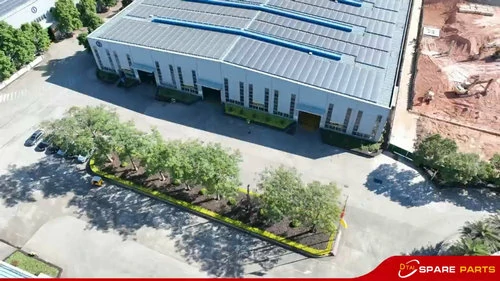
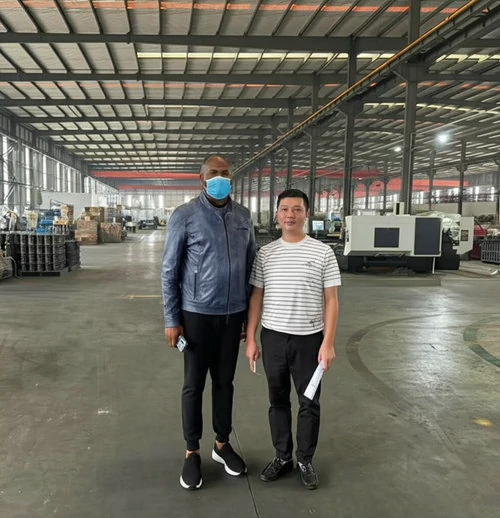
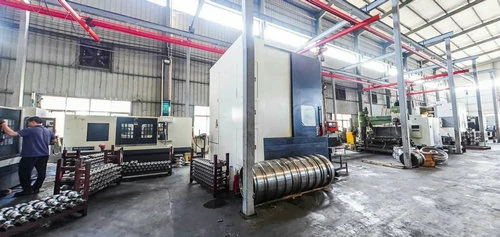
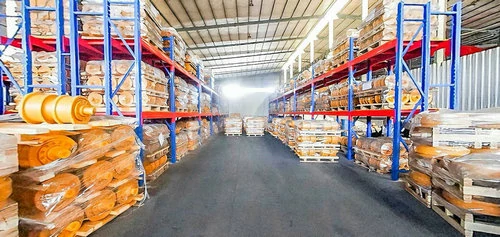
Large manufacturing facility with machinery aligned systematically, indicating industrial scale production.

I have asked myself many times if my aftermarket parts truly match the quality OEM clients enjoy.

You can get the same quality as our OEM clients because we follow identical manufacturing standards, use the same materials, and apply the same quality checks for every order, no matter the buyer.

When suppliers apply strict quality control and use proven manufacturing processes for all product lines, aftermarket clients receive products that perform, fit, and last exactly like OEM components.

How do you guarantee that my aftermarket parts meet OEM specifications?

I have worried before whether my aftermarket parts meet the same detailed specs as OEM ones.

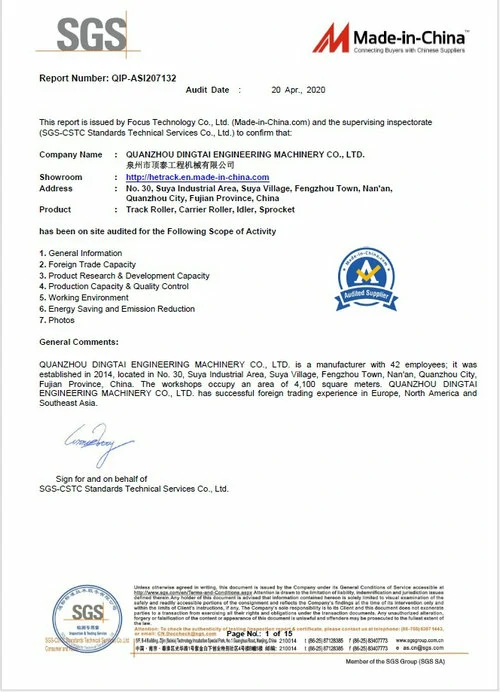
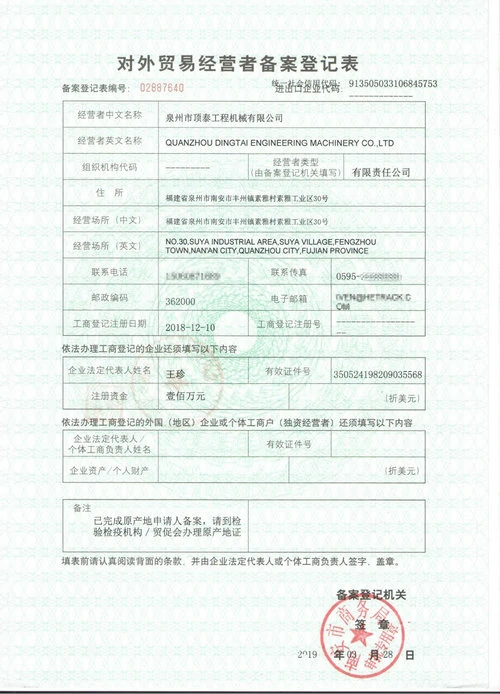
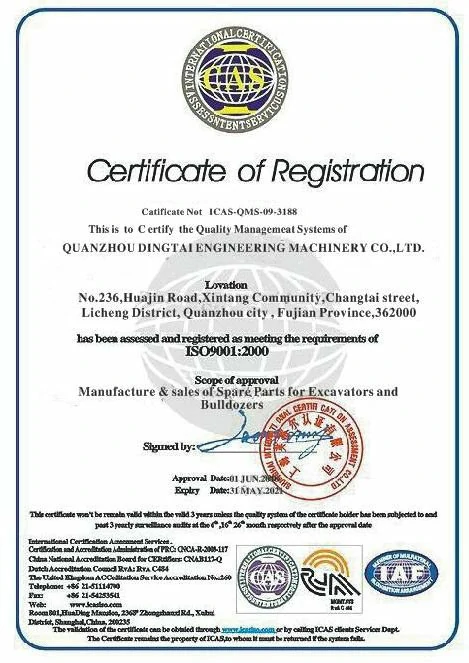
We guarantee our aftermarket parts meet OEM specifications by using ISO-certified processes 1 2, controlling every production step, and checking each part against the same benchmarks used for OEM orders.

Engineers reviewing mechanical component design documents in a workshop environment.

We ensure OEM specification compliance through a consistent production framework that never changes depending on the customer type. The same blueprint is followed in both OEM and aftermarket runs. We employ a unified set of measurement protocols, identical tolerances, and inspection tools calibrated to international standards 3 4.

Quality Control Steps

  1. Design Validation – Every part design is tested under simulated load conditions before production.
  2. Material Verification – Steel grade and chemical composition are confirmed by independent lab reports 5 6.
  3. Dimensional Checks – A sample from every batch is measured for fit tolerance before assembly.

Sample Specification Comparison

Attribute OEM Requirement Aftermarket Standard Our Practice
Steel Grade 35MnB steel 35MnB steel Same
Hardness Tolerance ±2 HRC ±2 HRC Same
Fit Precision ±0.1 mm ±0.1 mm Same

When customers ask about differences, we share documentation 7 8 from our in-house quality control team. This includes exact measurement sheets, hardness test results, and load simulation data. That way, you can verify for yourself that the aftermarket part is not “second tier” compared to OEM production.

Do you use the same materials and heat treatment processes for all your products?

I used to think aftermarket parts might be made with cheaper steel or lighter treatments.

We use the same steel grades, alloy composition, and heat treatment processes 9 10 for every product line, no matter if it is OEM or aftermarket.

Engineer observing the metal casting process in a foundry with glowing molten metal.

This consistency starts at raw material procurement 11 12. Our steel comes from the same approved mills for all orders. Incoming steel batches are tagged and tested for chemical makeup and mechanical strength. The exact specifications are documented so we can track every piece back to its source.

Material Consistency

We follow a strict "single standard" material policy. No deviation is allowed between OEM and aftermarket jobs for alloy composition, hardness level, and heat treatment cycles.

Heat Treatment Overview

Process Step Purpose Temperature Range Duration
Normalizing Relieves internal stress 870–900°C 1 hour
Quenching Increases hardness and wear resistance 820–850°C Rapid
Tempering Balances toughness and hardness 200–300°C 2 hours

We apply these processes using automated heat furnaces monitored by digital controls 13 14. Every lot is tested after heat treatment with hardness meters and impact tools.

Why It Matters

Using different steel or skipping precise heat treatment can cause parts to wear quickly or fail under load. We avoid this risk by locking all specifications into our manufacturing documentation 15 16, ensuring consistency without exception.

Can I get traceability reports for the steel batch used in my order?

When I place a big order, I want proof about where the steel came from.

Yes, we provide full traceability reports 17 18 for every steel batch, including supplier details, mill certificates, and laboratory test results.

Stack of papers and notebooks on a stainless-steel counter in a modern factory setting.

Traceability reports help our clients ensure supply chain transparency 19 20. Each steel purchase is assigned a lot number that follows it through every stage of production. This lot number appears on mill certificates, quality control logs, and final packing slips.

Contents of a Traceability Report

  • Supplier Name and Location – Shows the steel mill source.
  • Batch Number – Unique ID assigned by the steel mill.
  • Chemical Composition Data – Lab results proving alloy content meets standard.
  • Mechanical Strength Test Results – Confirms yield strength, tensile strength, and elongation percentage.

Sample Traceability Data

Lot Number Supplier C% Mn% Yield Strength (MPa) Hardness (HRC)
2023-458 Fujian Steel Co. 0.40 1.20 980 50
2023-459 Fujian Steel Co. 0.38 1.18 975 49

By giving you this data, you can match it against your own technical requirements or compliance documents. This is particularly important for clients who must meet regional safety or industry standards.

What is your standard procedure if I find a quality inconsistency?

I once received a batch that made me question its fit and finish.

If you find a quality inconsistency, we run a full investigation within 48 hours, replace or refund affected parts, and adjust our process to prevent recurrence.

Team of engineers inspecting a large mechanical part in a well-lit factory environment.

Our procedure starts with gathering evidence from the customer. This can be photos, videos, or measurement reports. A quality engineer reviews this with production records.

Standard Steps in Handling a Quality Issue

  1. Immediate Acknowledgment – We respond within the same business day to confirm receipt of the claim.
  2. Root Cause Analysis – Identify production or material issue that caused the fault.
  3. Corrective Action Plan – Adjust process, retrain staff, or replace tooling as required.
  4. Resolution – Arrange replacement shipping or process refunds.

Example Timeline for Resolution

Step Timeframe
Claim Received Day 0
Initial Review Day 1
Investigation Complete Day 2
Replacement Ships Day 3–4

We understand delays and faults can disrupt your supply chain, so our aim is to resolve these fast, with transparency and clear communication. This level of response helps keep trust intact and prevents the same issue from repeating.

Conclusion

OEM and aftermarket parts can share the same quality standards when the manufacturer is committed to consistency in materials, processes, and inspection.


Footnotes

1. Learn about ISO-certified processes for quality assurance. ↩︎ 21

2. Discover international standards in manufacturing protocols. ↩︎ 22

3. Importance of independent lab reports in material verification. ↩︎ 23

4. Insights into product documentation and compliance checks. ↩︎ 24

5. Explore comprehensive heat treatment processes for durability. ↩︎ 25

6. Understand procurement strategies for raw materials. ↩︎ 26

7. Role of digital controls in automated heat treatment. ↩︎ 27

8. Significance of locked specifications in manufacturing documentation. ↩︎ 28

9. Advantages of receiving traceability reports for sourcing transparency. ↩︎ 29

10. Benefits of supply chain transparency in traceability practices. ↩︎ 30

Free Quote & Information Request

Leave your inquiry, we will provide you with quality products and services!

Excavator & Bulldozer Undercarriage Parts Expert - Quality Track Roller, Carrier Roller, Sprocket Wheel
Privacy Overview

This website uses cookies so that we can provide you with the best user experience possible. Cookie information is stored in your browser and performs functions such as recognising you when you return to our website and helping our team to understand which sections of the website you find most interesting and useful.