How can I verify the size of your technical team (R&D and QC) for bulldozer undercarriage parts?

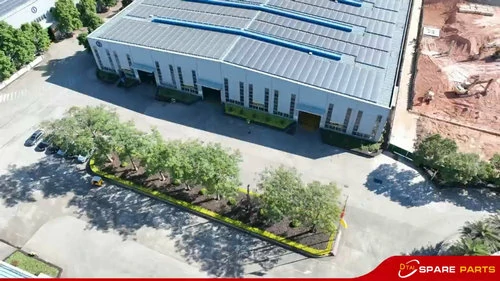
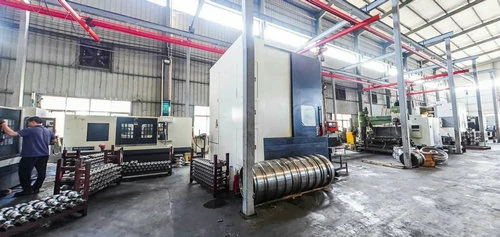
Workers operating machinery in modern factory hall

I need to be sure that the supplier’s technical team is large enough to meet my order requirements without delays. This matters for both production stability and custom solutions.

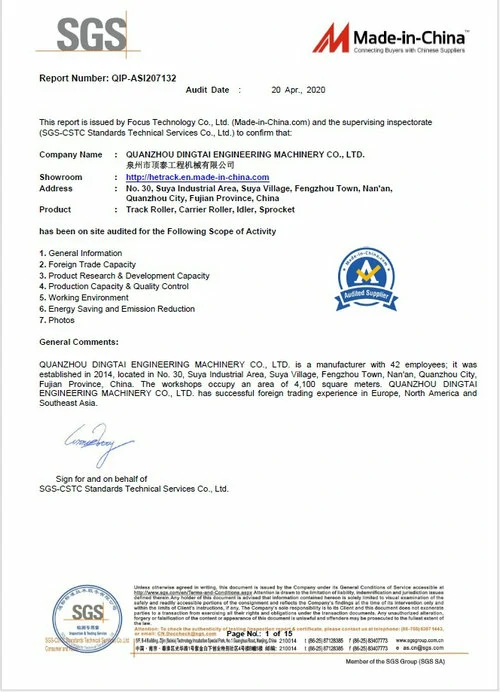
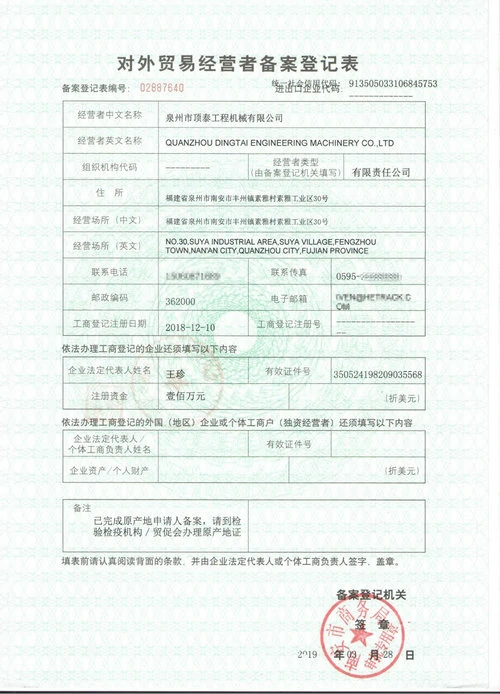
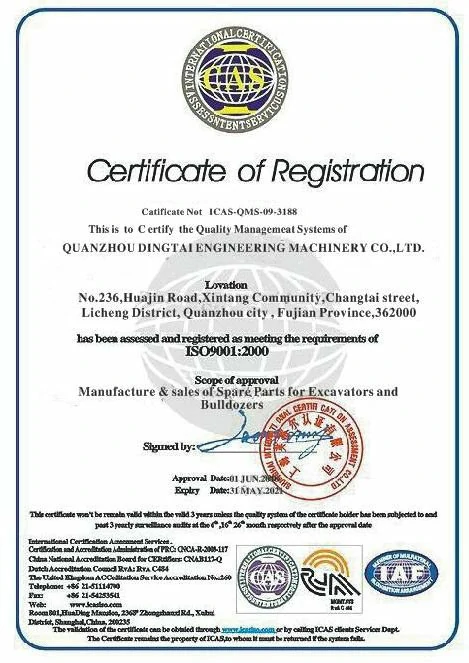
You can verify a supplier’s R&D and QC team size by reviewing official documents, conducting factory audits, checking certifications 1 2, arranging direct interviews, and contacting past buyers for references. These methods help confirm real capacity before committing to an order.

When you know how big the technical team 3 4 is, you can judge if they can handle your specifications. Many factories claim to have strong R&D and QC, but you should ask for proof. If you cannot visit, a third-party audit 5 6 or live video call can give confidence. Once you confirm capacity, you reduce the risk of late delivery or poor quality.


Can I speak directly with your engineers about my technical specifications?

I feel more confident when I can talk directly with engineers. It avoids delays and makes adjustments easier when specifications change.

Yes, many reliable suppliers allow you to speak directly with their engineers by phone, video call, or in-person meetings. This helps clarify specifications and speed up technical decisions.

Engineer inspecting large industrial gear

Speaking directly with engineers 7 8 has several benefits. You get clear answers about materials, design limits, and production timelines. This avoids miscommunication when sales staff are not technical enough.

Why direct contact matters

When engineers join the talk early, they can guide design changes and highlight risks. This is critical for bulldozer undercarriage parts, where improper fit or weak material can cause machine downtime.

Example process table

Step Action Benefit
1 Schedule engineer meeting Faster technical feedback
2 Share drawings/specs Accurate feasibility check
3 Review materials Confirm strength and wear resistance
4 Approve design changes Avoid rework or delays

With direct access, you also know the team’s working style. You see if they understand your application, whether it’s heavy mining or road construction. This makes it easier to build trust and plan for long-term supply. A strong supplier will welcome engineer–buyer interaction, because it speeds decisions and shows technical competence.


How many R&D staff are dedicated to developing new undercarriage parts?

I want to know the exact headcount of engineers working on new parts. Too few might slow innovation; too many might waste resources if not managed well.

Ask for an official team roster or organizational chart to confirm the exact number of R&D staff 9 10 assigned to bulldozer undercarriage projects. Reputable suppliers can show proof or allow you to meet them virtually.

Railway assembly in industrial workshop

Understanding the R&D team size helps predict innovation output and response time to custom needs.

Factors that impact R&D capacity

A well-balanced R&D team should have both product designers and application engineers. Designers turn ideas into technical drawings, while application engineers ensure parts fit real conditions.

Sample R&D team composition

Role Number of Staff Main Task
Product designer 5 Create CAD drawings and 3D models
Application engineer 3 Evaluate product fit in equipment
Materials specialist 2 Select metals and heat treatment
Testing engineer 2 Run wear and load tests

If the team has enough people for each function, you can expect reliable response to specification changes and faster development cycles. Large teams are not always better; discipline and clear roles matter more than headcount alone.


What qualifications do your QC inspectors have?

I believe QC qualifications directly affect product safety and performance. Without trained inspectors, small defects can pass unnoticed.

You can verify QC qualifications by asking for training records 11 12, certification copies, or resumes of inspection staff. ISO 9001-certified factories often have documented QC training programs.

Technician documenting car repair process

Why qualifications matter

Qualified QC inspectors can spot defects others miss. They understand tolerance limits, surface finish requirements, and testing methods.

Common QC inspector credentials table

Certification Issued By Relevance
ISO 9001 Internal Auditor SGS/TÜV Ensures process control
NDT Level II ASNT Detects material flaws
Dimensional Inspection Training Local technical institute Confirms fit and tolerance
Metallurgy Basics Engineering college Understands steel properties

When QC staff are certified, you can trust their inspection reports. You avoid situations where poor inspection leads to shipment of substandard parts. This protects both your reputation and your machinery investment.


Can your technical team help me analyze a part failure or customize a design?

I value suppliers who can investigate failures quickly and suggest solutions. It saves me time and reduces repeated problems.

Yes, a capable technical team can analyze failed parts through visual inspection, measurements, and lab tests, then propose design changes to prevent reoccurrence. Many will also create custom designs 13 14 based on your operational environment.

Bulldozer working in dusty quarry site

How failure analysis works

First, engineers collect the damaged part and check wear patterns. Next, they measure dimensions to spot deformation. If needed, they send samples for metallurgical testing to see if material or heat treatment caused the problem.

Failure analysis workflow table

Stage Action Outcome
1 Visual inspection Identify obvious wear or breakage
2 Dimensional measurement Detect excess load effects
3 Lab test Confirm material strength and hardness
4 Design update Improve future performance

Custom design can mean changing the tooth profile on sprockets, adjusting hardness levels, or modifying roller seals for muddy environments. This proactive support shows technical depth and commitment to customer success.


Conclusion

Verifying R&D and QC capacity gives confidence in a supplier’s ability to deliver bulldozer undercarriage parts on time and with reliable quality.


Footnotes

1. Learn more about ISO 9001 quality management standards. ↩︎ 15

2. Overview of technical teams in industry. ↩︎ 16

3. Benefits of third-party audits for supplier verification. ↩︎ 17

4. Engineering topics and their importance in manufacturing. ↩︎ 18

5. Project management insights for R&D teams. ↩︎ 19

6. Explore training solutions for industrial roles. ↩︎ 20

7. Resources for custom design creation and CAD usage. ↩︎ 21

Free Quote & Information Request

Leave your inquiry, we will provide you with quality products and services!

Excavator & Bulldozer Undercarriage Parts Expert - Quality Track Roller, Carrier Roller, Sprocket Wheel
Privacy Overview

This website uses cookies so that we can provide you with the best user experience possible. Cookie information is stored in your browser and performs functions such as recognising you when you return to our website and helping our team to understand which sections of the website you find most interesting and useful.