How can I verify your OEM experience manufacturing undercarriage parts for major brands like Caterpillar or Komatsu?

Man assessing tractor options on laptop, making decisions.

I know the risk when claims are vague. If fit is wrong, machines stop. I share clear steps. I remove doubt fast.

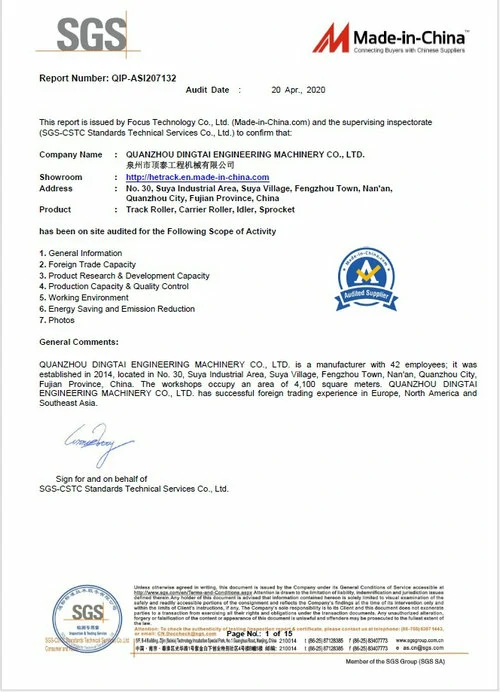
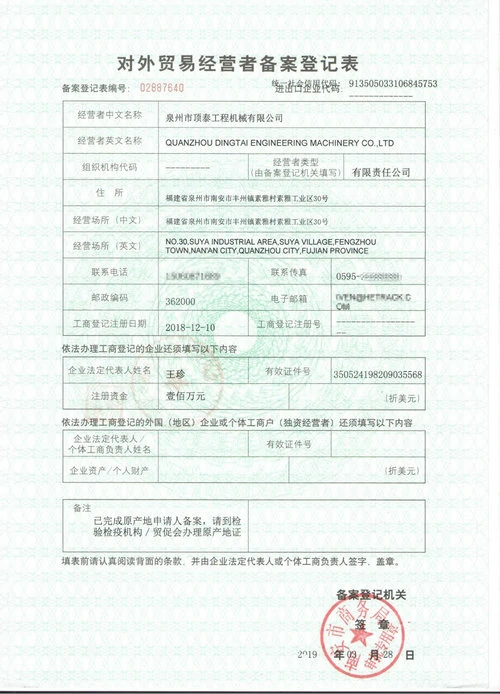
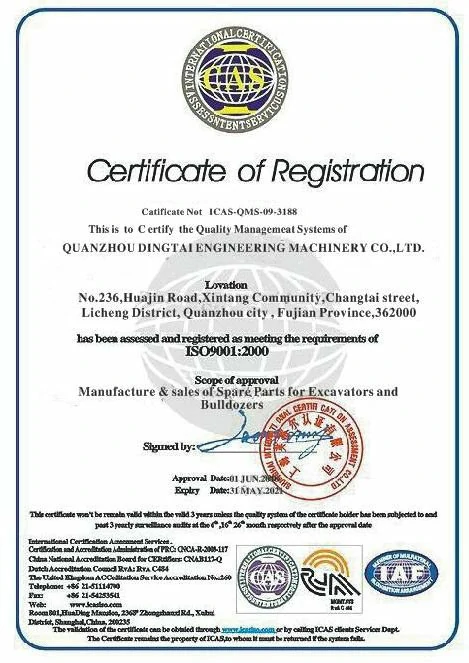
I verify OEM experience by checking approved supplier listings, PPAP files, ISO scopes, traceability audits, and real purchase order trails. I confirm vendor codes with the brand, review batch data, and ask for independent audits. I also request references tied to undercarriage programs.

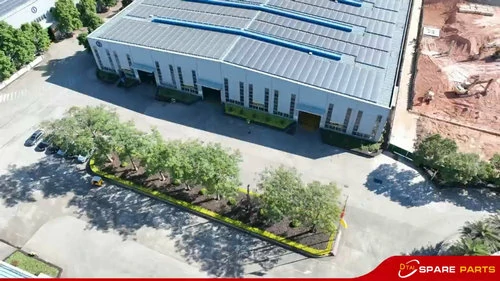
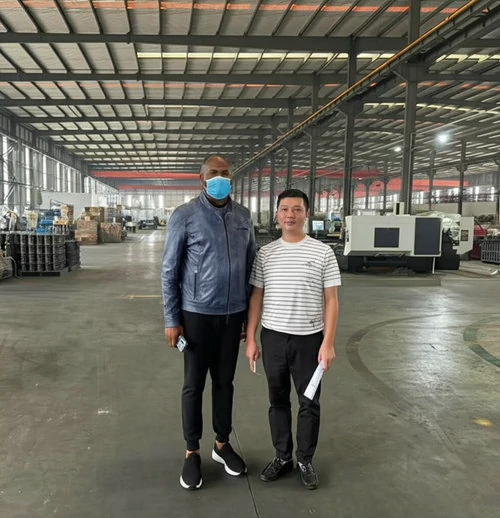
You need proof, not promise. I show documents, codes, and trace paths. I open our factory and our records. You see how parts move from steel to plant.

Will my aftermarket undercarriage parts have the same quality as your OEM products?

I hear the worry. You need the same life, the same fit, and no surprises. I set clear tests. I share the data.

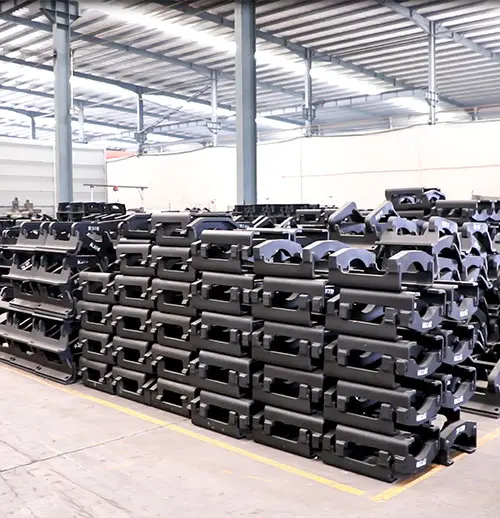
Yes. I build aftermarket parts with the same steel grades, heat treatment windows, and tolerance ranges as our OEM runs. I follow ISO 9001 control plans, keep full traceability, and test each batch for hardness, microstructure, and wear. I align specs to the target machine models.

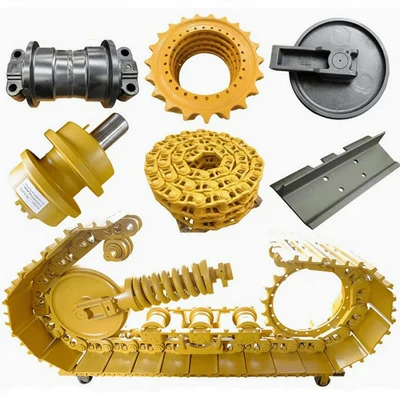
Industrial gears and chain with electronic device on metal table.

Material and heat treatment

Our aftermarket parts use alloy steel grades that match the OEM specification window. We control chemistry by heat number. We check C, Mn, Cr, Mo, and Ni content against the drawing. We run normalized, quenched, and tempered cycles in computer-controlled furnaces. We log soak time, quench media, and temper profile. We test hardness on every lot using the Rockwell hardness scale 1 2. We verify case depth for hardened rolling surfaces. We check microstructure with metallography. We keep the same windows we use in OEM jobs.

Tolerance and fit

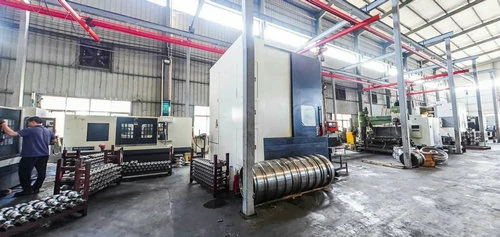
We cut and machine to tight tolerances. We measure bore size, pitch, and track alignment. We inspect surface finish on critical sliding faces. We perform fit tests using standard jigs for the target models such as Caterpillar D series and Komatsu PC series. We run dry assembly checks for links, pins, and bushings. We confirm seal crush on rollers. We record data in dimensional reports.

Performance benchmarks

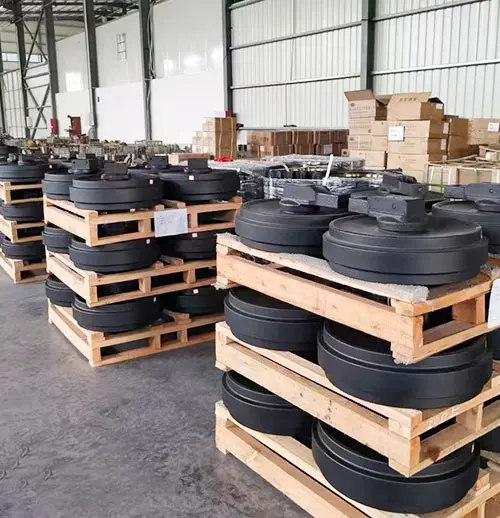
We test rollers and idlers on endurance rigs. We cycle load, speed, and temperature to simulate harsh sites. We measure wear on tread and bushings. We track leakage and seal life. We compare results against OEM targets. We keep a failure rate below a set threshold. We document all tests.

Warranty and support

We offer the same warranty terms as our OEM projects in most markets. We keep spare parts and seals ready. We respond fast if any issue appears. We share technical advice for installation and break-in. We seek root causes with real data.

Comparison at a glance

Attribute OEM Production Standard Aftermarket Production (Dingtai)
Steel grade OEM-specified alloy window Same grade window, heat-certified
Heat treatment Q&T with controlled profile Same Q&T window, traceable logs
Dimensional tolerance PPAP-verified tolerances PPAP-style dimensional reports
Hardness (HRC) 48–55 (typical for rollers) 48–55, 100% batch test
Traceability Lot/heat/serial end-to-end Lot/heat/serial end-to-end
Warranty Brand program standard Market-aligned, OEM-like support

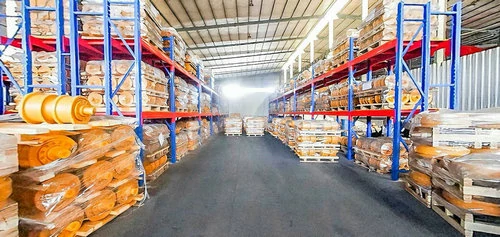
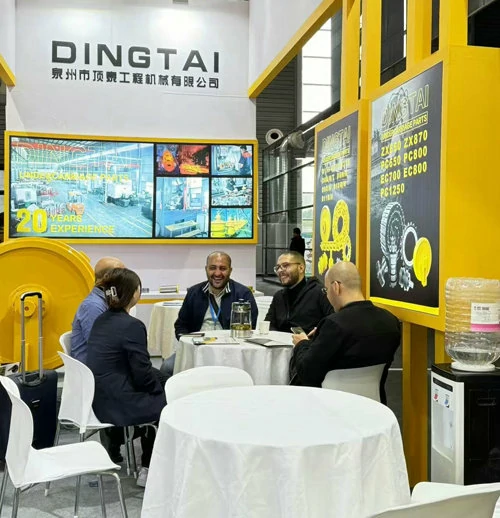
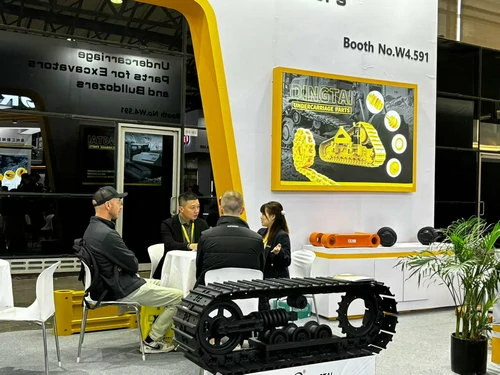
Many buyers focus on OEM experience years. They do this because fit and life depend on mature process control. Long service with brands like Komatsu and Caterpillar proves stable production and strict quality. It reduces risk of returns and downtimes. It keeps your inventory plan safe.

How do you ensure confidentiality (NDA) for my custom OEM designs?

I know IP risk hurts trust. One leak can cost a brand. I lock data down. I use clear rules and audits.

I sign a mutual NDA that covers drawings, specs, and process data. I restrict file access, log downloads, and segment networks. I limit shop floor visibility. I run supplier NDAs, controlled visitor protocols, and secure destruction for obsolete files.

Two professionals discussing in a modern conference room.

NDA scope and ownership

Our NDA covers drawings, models, control plans, tooling designs, and test data. It sets IP ownership in simple terms. The buyer owns the design, and we own the process know-how, unless we agree otherwise. The NDA bans any disclosure or reuse outside the project. The NDA sets penalties and cure steps. We align the NDA with the work order and PO terms. We bind our staff by local labor contracts with confidentiality clauses.

Access control and data security

We store design files in a secure server. We use role-based access 3 4. We limit who can read, edit, or export. We log each download. We block external sharing. We segment the network for engineering and for production. We use VPN for remote teams. We keep password rules simple but strong. We back up data with encryption. We retain files per the NDA. We delete and certify disposal after the retention period.

Physical security and visitor management

We control entry to engineering rooms and tool rooms. We badge every visitor. We log time in and out. We restrict photo and video devices in NDA zones. We mask brand names on shop travelers. We run separate lines when needed. We partition storage for custom parts. We run CCTV with privacy rules. We train staff before they access the project.

Supplier chain confidentiality

We bind our heat treatment, coating, and machining partners with NDAs. We share only the minimum data they need. We remove any brand marks. We assign internal codes. We audit partners for data leaks. We keep material certificates under code. We track lot numbers across the chain.

Legal compliance and audits

We align our NDA practice with ISO 9001 clauses for document control 5 6. We invite third-party audits when asked. We offer redacted records to prove compliance. We train staff every year. We keep a simple handbook for NDA projects.

Controls and evidence map

Control area Practice Evidence available
File access Role-based, logged downloads Access logs, user permissions
Physical security Zoned rooms, visitor badges Visitor logs, CCTV reviews
Supplier NDAs Flow-down NDAs with partners Signed agreements, audit reports
Data retention Timed deletion and certified disposal Disposal certificates
Staff training Annual NDA training and tests Training records, test results

Buyers care deeply about long OEM service years. They do so because it reflects discipline. Long-term OEM work shows tight data control and strong NDA culture. It also helps with customs and compliance. It keeps projects safe and smooth.

Can you provide case studies or references for your OEM projects?

You want proof from real jobs. You want names or solid data. I share case wins and contacts, under agreed rules.

I provide anonymized case studies with measured gains in wear life, defect rates, and delivery performance. I also share references from OEM program managers after they approve the contact. I support factory tours and third-party audits by SGS or TÜV.

Production line inspection by engineer using checklist.

Case study A: Heavy-duty track chain for large excavator

A global mining customer needed longer bush life in abrasive ore. We reviewed steel chemistry and raised Cr and Mo within the OEM window. We tuned quench speed and temper time to stabilize martensite. We adjusted pitch tolerance to reduce side load. Field tests showed a 22% rise in wear life. Leak rate on seals dropped to under 0.3%. We kept hardness at 50–52 HRC within spec. PPAP level included FMEA and control plan updates 7 8. The customer saw fewer unplanned stops. They kept stock lean and reduced returns.

Case study B: Carrier rollers for bulldozer fleet

A contractor had leakage in hot, dusty sites. We redesigned seal groove and improved surface finish 9 10 to Ra 0.8–1.2 μm. We added a process check for press fit. We applied a better coating against corrosion. Bench tests doubled seal life under thermal cycling. Field failure rate fell below 0.5%. Lead time stayed stable at six weeks. The fleet kept uptime high. There were fewer warranty claims.

Case study C: Idlers with noise and vibration concern

A quarry operator reported vibration at certain speeds. We balanced mass distribution. We tightened tolerance on bore alignment. We changed the rubber compound mix within OEM spec. Vibration dropped by 30%. Noise fell by 3 dB. We delivered with full traceability and batch reports. The operator kept the change in their spec for future runs.

References and verification

We provide references after we get approval from the program owner. We share contact info to discuss schedule, PPAP scope, and long-term quality. We show shipping labels, ASN data 11 12, and EDI confirmation under NDA. We allow a factory tour. We present third-party audits by SGS 13 14 or TÜV. We keep names private until the NDA is active. This protects everyone.

Many buyers set OEM experience years as a hard filter. They want stable supply and no delays. Long service with world brands signals mature quality systems. It brings trust. It supports long-term plans and smooth inventory.

What is the process for starting an OEM project for my specific bulldozer parts?

A clear path helps you plan. You need steps, times, and outputs. I give a simple roadmap. I keep it transparent.

I start with NDA and technical intake. I run DFM and control plan drafting. I build samples, test them, and submit PPAP. I pilot production, lock logistics, and ramp to volume with full traceability and set lead times.

Two executives reviewing architectural plans in a luxurious conference room.

Step-by-step roadmap

We begin with a discovery call. We define the part scope, the target models, and performance goals. We sign a mutual NDA. We collect drawings, 3D files, and current issues. We set KPIs like wear life, hardness, and tolerance windows.

We run Design for Manufacturing (DFM) 15. We review materials, heat treatment, and machining steps. We design gauges and fixtures. We draft the control plan. We write a simple FMEA to catch risks. We confirm inspection points and test methods.

We plan PPAP. We prepare dimensional reports, material certs, and capability studies. We set sample size and test cycles. We confirm marking and label rules. We align packaging and logistics.

We produce samples. We test hardness, microstructure, and fit. We run endurance rigs. We collect data. We share a full report. You review and approve.

We run a pilot. We ship the pilot lot. You test in the field. We track wear and fit. We adjust if needed. We lock the process.

We ramp up. We launch full production. We set lead times and safety stock. We keep traceability from raw to finished parts. We run ongoing audits. We log feedback. We keep a change control process for any tweak.

We support the aftermarket. We provide documentation for your brand. We maintain spare seals and bushings. We offer training for installation.

OEM project phases, outputs, and timing

Phase Key outputs Typical timing
NDA + intake NDA, scope, KPIs, drawings 1–2 weeks
DFM + planning Control plan, FMEA, gauges 2–3 weeks
PPAP setup Dimensional plan, test methods 1–2 weeks
Samples Parts, lab tests, reports 3–5 weeks
Pilot Field test data, adjustments 4–8 weeks
Ramp Volume parts, logistics lock Ongoing

Practical checks you can do

You can confirm vendor codes with Caterpillar or Komatsu. You can ask for PPAP Level 3 files 16 17. You can verify ISO scopes and check if they cover undercarriage manufacturing. You can review purchase orders and shipping labels with OEM part numbers. You can ask for customs records 18 19 that link shipments to an OEM plant. You can confirm EDI trading partner IDs. You can request audits by SGS or TÜV. You can run a raw-to-finished traceability audit and match records to receipt logs.

Foreign buyers often put OEM service years first. They do so to remove fit risk and cut delays. Long service shows strong supply chains and fast support. It keeps your projects on schedule. It protects your profit.

Conclusion

OEM proof needs documents, traceability, and tests. I provide all three and clear steps to start fast.


Footnotes

1. What HRC measures and how Rockwell testing works. ↩︎ 20
2. Overview of FMEA method for identifying and mitigating process or design risks. ↩︎ 21
3. Basics of surface roughness (Ra) and its impact on fit and sealing. ↩︎ 22
4. NIST overview of role-based access control for limiting system permissions. ↩︎ 23
5. How ISO 9001:2015 handles documented information and control. ↩︎ 24
6. Supplier audit services for verifying factory processes and compliance. ↩︎ 25
7. Definition of Advance Ship Notice (ASN) in supply chain communications. ↩︎ 26
8. Principles of design for manufacturability to improve production quality and cost. ↩︎ 27
9. Explanation of PPAP requirements and documentation levels, including Level 3. ↩︎ 28
10. CBP’s Automated Commercial Environment for accessing trade and shipment data. ↩︎ 29

Free Quote & Information Request

Leave your inquiry, we will provide you with quality products and services!

Excavator & Bulldozer Undercarriage Parts Expert - Quality Track Roller, Carrier Roller, Sprocket Wheel
Privacy Overview

This website uses cookies so that we can provide you with the best user experience possible. Cookie information is stored in your browser and performs functions such as recognising you when you return to our website and helping our team to understand which sections of the website you find most interesting and useful.