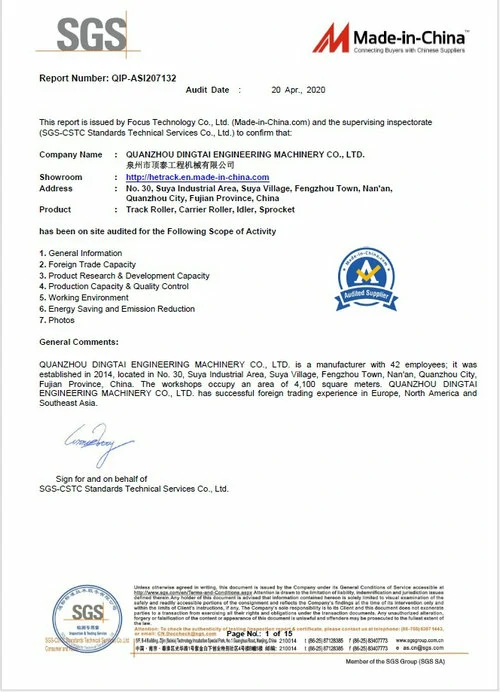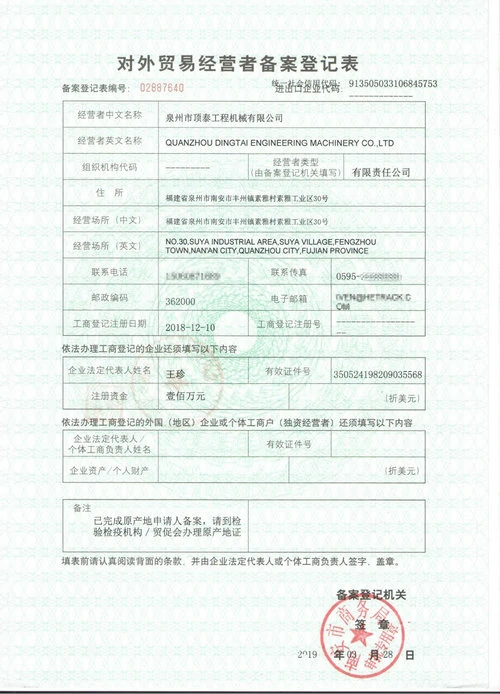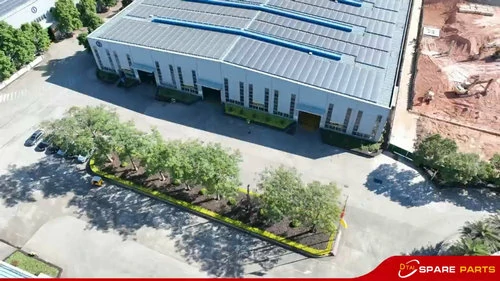
Importing undercarriage parts from China: Can I appoint a third-party inspection agency (like SGS, BV) to inspect my goods at your factory before shipment?

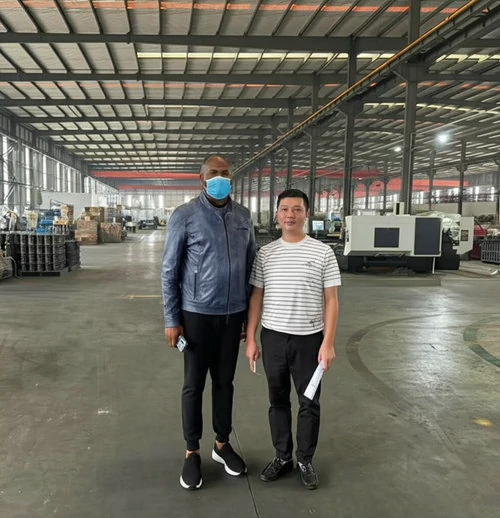
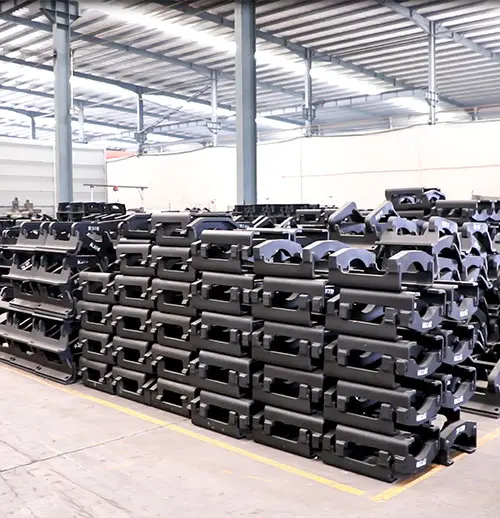
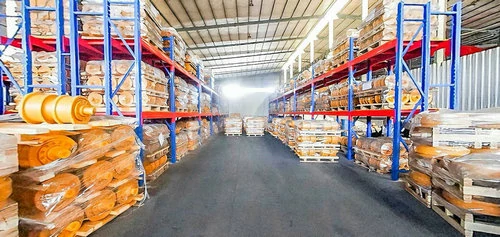
  Worker assessing inventory in vast warehouse

You need high-quality undercarriage parts. But you worry about receiving bad products from overseas. We offer a clear solution to guarantee your quality.

Yes, absolutely. As a purchasing director, I know you value quality control. At Dingtai, we not only permit third-party inspections from agencies like SGS or BV, but we strongly encourage it. It is a standard part of our process for global partners.

This is a critical step for buyers, especially for technical products like track rollers and chains. You probably have more questions about how this process works. Let's break down the practical steps, from scheduling to handling the results.

How do I coordinate the inspection schedule with my production timeline?

You need your parts on time. But inspection sounds like it could cause delays. You need a way to inspect without disrupting the schedule.

I manage this coordination directly with my production team. The key is communication. You simply tell us your preferred inspection date, and we align it with our final production and packing schedule. We build this time into our agreed-upon delivery lead time.

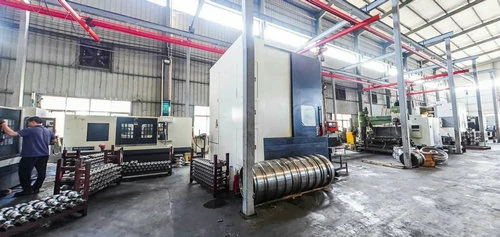
Personnel operating digital control panel in facility

Coordination is simple when it is planned from the beginning. A professional supplier should never be surprised by an inspection request. We treat it as a standard milestone in the production process.

The Step-by-Step Coordination Process

Here is how we handle it. This process prevents confusion and delays.

  1. At the PO Stage: When you send us your Purchase Order (PO) 2, you also inform us: "Linda, we will be using SGS for a pre-shipment inspection." We then mark this on the official production order. This ensures our entire team, from the production manager to the packing line, is aware.
  2. We Provide a "Ready Date": About one to two weeks before the goods are finished, I will personally email you. I will give you a firm date (e.g., "Your order of track rollers will be 100% complete and packed on July 15th.").
  3. You Book the Inspector: You contact your chosen agency (SGS inspection services 3 4, Bureau Veritas product inspections 5 6, Intertek inspection services 7 8). You give them our factory address in Nan'an, Fujian, and the "Ready Date" of July 15th. They will usually schedule an inspector for that day or the next.
  4. You Send Us Confirmation: You forward us the booking confirmation from the agency. This email will include the inspector's name and the exact date.
  5. We Prepare: My factory team gets everything ready. We pull the correct number of pallets for random sampling 9 10. We gather all our internal QC reports, material certificates (e.g., EN 10204 material test certificates 11 12), and heat treatment data. We set up a clean, well-lit inspection area.

What We Need From You

To make the inspection effective, we need one key document from you: The Inspection Criteria Checklist.

Your inspector works for you. They will follow your instructions. A clear checklist is the most important tool. It tells the inspector exactly what to check. A good checklist should include:

  • Quantity: Verify the number of cartons and units matches the PO.
  • Visuals: Check for correct paint, clear logo markings, and proper packing.
  • Dimensions: Check key dimensions against your technical drawings (e.g., roller diameter, bushing length) and applicable ISO 2768 general tolerances 13 14.
  • Documentation: Review our internal QC reports and material certificates.

Here is a sample timeline to show how this fits together.

Table 1: Sample Coordination Timeline (45-Day Lead Time)

Week Action (Buyer - "You") Action (Supplier - "Dingtai")
Week 1 Place PO. Inform us of 3rd-party inspection. Confirm PO. Start raw material preparation.
Week 4 (Production in progress) (Machining, heat treatment)
Week 5 Confirm shipping marks and packing details. Final assembly and painting.
Week 6 We notify you: "Goods ready for inspection on Day 42." Prepare internal QC documents.
Week 6 You book SGS/BV for Day 42. Send us the booking info. Confirm receipt. Prepare inspection area.
Day 42 (Inspection happens) Facilitate inspection.
Day 43 Inspector sends you the report. You approve. (Awaiting approval)
Day 44 You give us the "OK to ship." Book vessel. Arrange container loading.

This process shows we are organized. We treat inspection as a normal part of the timeline, not an interruption.

Will my production be delayed if I arrange an inspection?

Your biggest fear is a delayed shipment. You need quality parts, but you also have customers waiting. An inspection seems like a bottleneck that could cost you money.

No, your production will not be delayed, if we plan for it. When I give you a 45-day lead time, I have already included a 2-3 day window for this final inspection. The only delay happens if the inspection is booked after the agreed-upon ship date.

3D illustration of manufacturing and logistics process

As an experienced manufacturing partner, we know that professional B2B buyers like you require this step. Our production schedule is not just "finish and ship." It is "finish, inspect, and ship."

How We Prevent Inspection-Related Delays

We build a buffer time into every PO for our major clients. A typical Final Random Inspection (FRI) 15 takes one full day at the factory. The inspector will usually send the official report to you within 24 hours.

This means the total time from "cargo ready" to "cargo approved" is about 48 to 72 hours. Our quoted lead times always account for this window. We plan for your inspector to be here.

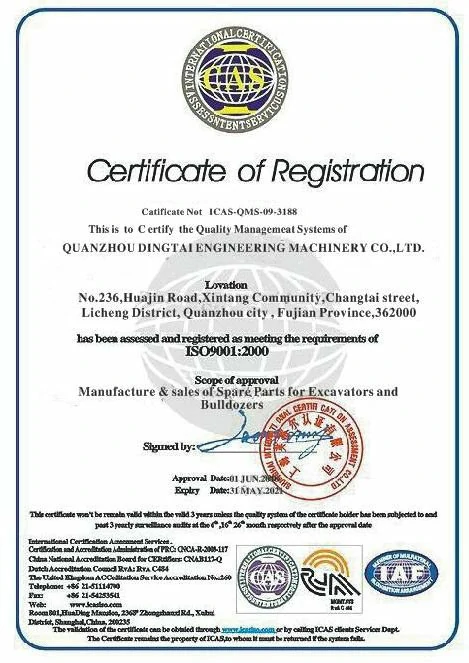
We are an ISO 9001 certified factory 16 17. We conduct our own rigorous inspections at every stage:

  1. Raw Material Inspection: We check all steel before it enters production.
  2. In-Process Inspection: We check dimensions after forging, machining, and heat treatment.
  3. Final Assembly Inspection: We check all parts before they are painted and packed.

Our goal is for your SGS inspector to simply confirm the good quality we have already built. When your inspector arrives, we want them to find zero defects. This makes you confident and makes our partnership stronger.

The Only Times Delays Can Happen

I want to be transparent. Delays are rare, but they can happen. In my experience, they only occur for two reasons:

  • 1. Late Booking: The cargo is ready, packed, and waiting. We email you on the 15th as promised. But you forget to book the inspector until the 20th. The agency is busy and can't send someone until the 23rd. This adds eight days to the timeline. This delay is outside the factory's control.
  • 2. A Failed Inspection: The inspector finds a problem. We will discuss this in the last section. This will cause a delay. But this is a good delay. It stops a major problem before it leaves China and reaches your warehouse. This delay protects your reputation and saves you money.

We work very hard to ensure the second point never happens. But if it does, we have a clear process to fix it.

Do I need to pay any extra fees to your factory for facilitating this inspection?

You have a strict budget for your parts. Hidden fees are a major problem. You worry that asking for an inspection will result in a surprise invoice from the factory.

No. We never charge our clients any fees for this. Facilitating a third-party inspection is a standard part of our service. I see it as our responsibility as your manufacturing partner. We provide the space, the manpower to move pallets, and the documentation.

Engineer monitoring manufacturing operations with tablet

We want to build long-term, trusting relationships. We do not "nickel and dime" our partners. We believe that transparency should not cost extra.

What is Included in Our Free Facilitation?

When your SGS or BV inspector arrives at our gate, my team is ready. Here is what we provide at no cost to you:

  • Labor: We assign 1-2 of our own warehouse or QC staff to assist the inspector all day. They will move the heavy pallets. They open the specific cartons that the inspector randomly selects.
  • Space: We provide a dedicated, well-lit, and clean area for the inspection to take place.
  • Tools: We provide basic measuring tools (calipers, hardness testers) if needed, though inspectors almost always bring their own certified equipment.
  • Documentation: We provide our internal QC reports, material certificates, and heat treatment data for the inspector to review.

This is not an "extra." This is how we do business. A supplier who tries to charge you for this is not a long-term partner.

Understanding the Costs You (The Buyer) Will Pay

While we do not charge you, you are responsible for paying the inspection agency directly. The factory (Dingtai) and the inspection agency (SGS) are two separate companies.

Your contract is with the inspection agency. You pay them for their service. These costs can vary based on the agency, the location of the factory, and how much detail you require.

Table 2: Breakdown of Inspection Costs

Cost Item Who Pays? (Buyer or Dingtai) Typical Cost (Estimate) Notes
Inspection Agency Fee Buyer $250 - $500 per inspector-day This is the main cost. You pay SGS/BV directly.
Inspector Travel Costs Buyer Often included in the agency fee. The agency handles its own logistics.
Factory Facilitation Dingtai (Free) $0 We provide labor, space, and all documents.
Product Samples Buyer (Indirectly) Varies If destructive testing is needed, those units are "lost".
Re-inspection Fee Buyer $250 - $500 This is only if the goods fail and the inspector must return.

As you can see, our part is simple: we facilitate for free.

What happens if my SGS inspector finds non-conforming products?

This is your worst-case scenario. The inspector finds a problem. Now you are stuck. You have bad parts in China, and your timeline is broken.

If an inspector finds a non-conforming product, I take this extremely seriously. My first step is to quarantine the entire batch. I will immediately send you the report, along with my plan to fix it. We will either rework or replace the parts before shipping.

Inspector checking railway tracks in large facility

A professional supplier does not pretend problems never happen. A professional supplier has a clear system to fix them. This is our system. I want you to know exactly what we do.

Our goal is a 100% pass rate. Our internal QC is designed to catch any issues long before your inspector arrives. But if something is missed, we move to our failure resolution protocol.

Our Immediate Response Protocol

  1. Stop and Quarantine: The moment the inspector notifies my team of a failure (e.g., "5 of 100 rollers have incorrect dimensions"), we stop everything. That entire production lot is moved to a quarantine area. It is tagged "REJECT" and cannot be packed or shipped by mistake.
  2. Immediate Communication: I (Linda) will personally email you. I will not wait or hide the report. You will receive the official inspector's report and a message from me within hours. My message will state:
    • We confirm the finding.
    • We sincerely apologize for the error.
    • The goods are quarantined.
    • Our technical team is analyzing the root cause.
  3. Root Cause Analysis (RCA) 18: My technical manager and I will investigate. Why did this happen? Was it a bad batch of steel? Was a CNC machine setting wrong? Was the heat treatment process faulty? We must find the "why" to prevent it from happening again.

The Resolution Plan

After the RCA, I will present you with a formal plan. You will have options. The choice is always yours.

Table 3: Sample Resolution Options for a Failed Inspection

Issue Found by SGS Option 1: Rework (If Possible) Option 2: Replace (If Rework is Impossible) Option 3: Ship As-Is (Not Recommended)
Example: Wrong dimensions on 10% of track rollers. Our Plan: We will 100% re-inspect the entire batch. We sort out all bad parts. We re-machine or replace the non-conforming 10%. Our Plan: We scrap the entire 10% lot. We start a new production run for those parts. Your Choice: You accept the 10% defect rate (perhaps for a discount). We almost never suggest this.
New Timeline: Adds 5-7 days to the lead time. New Timeline: Adds 15-20 days to the lead time. New Timeline: No delay, but high risk for you.
Cost: All rework costs are paid by Dingtai. Cost: All replacement costs are paid by Dingtai. Cost: We would offer a discount.

After we have completed the rework or replacement, we insist on a re-inspection. We will ask your SGS inspector to come back. We will pay for this second inspection. This is our cost for our mistake.

We will not ship the cargo until it passes this second inspection. This process is not the fastest. But it is the safest. It ensures the problem is 100% solved before it reaches your warehouse. This is how I build trust with technical buyers like you.

Conclusion

Using a third-party inspector like SGS is a simple, effective, and safe practice. We welcome it. It protects your quality and builds the trust our partnership relies on.


Footnotes

1. What a purchase order includes and why it matters. ↩︎ 19
2. Overview of SGS inspection services for shipments. ↩︎ 20
3. Bureau Veritas inspection solutions for product quality. ↩︎ 21
4. Intertek inspection services for global supply chains. ↩︎ 22
5. How acceptance sampling supports effective random inspections. ↩︎ 23
6. Explanation of ISO 2768 general tolerances for dimensions. ↩︎ 24
7. What ISO 9001 requires for quality management systems. ↩︎ 25
8. What a pre-shipment/Final Random Inspection involves. ↩︎ 26
9. How Root Cause Analysis identifies and eliminates defects. ↩︎ 27
10. What EN 10204 material certificates verify in manufacturing. ↩︎ 28

Free Quote & Information Request

Leave your inquiry, we will provide you with quality products and services!

Excavator & Bulldozer Undercarriage Parts Expert - Quality Track Roller, Carrier Roller, Sprocket Wheel
Privacy Overview

This website uses cookies so that we can provide you with the best user experience possible. Cookie information is stored in your browser and performs functions such as recognising you when you return to our website and helping our team to understand which sections of the website you find most interesting and useful.