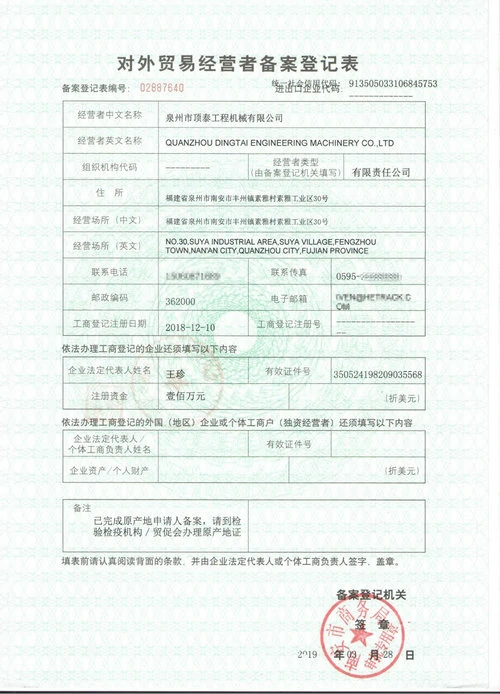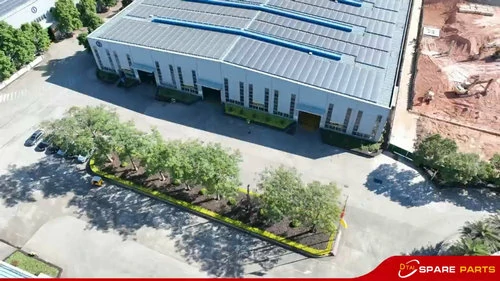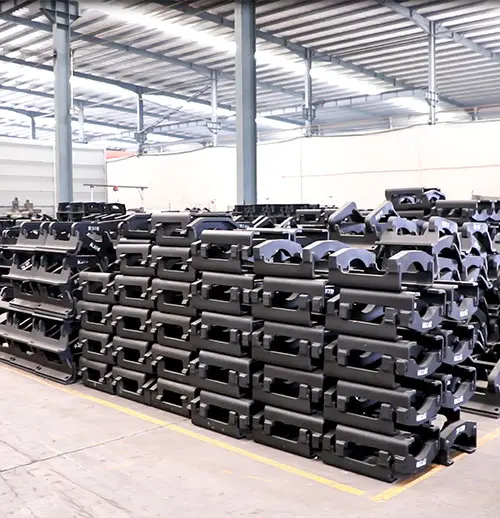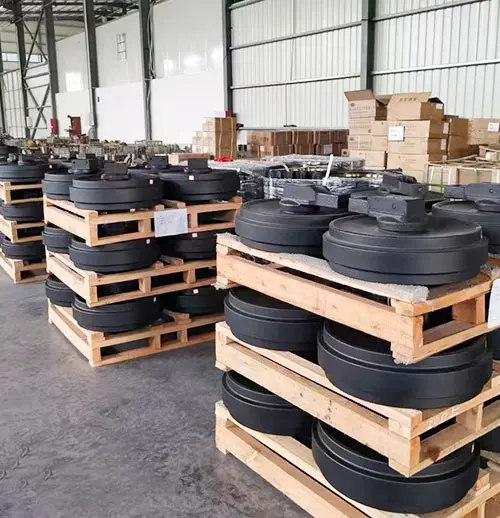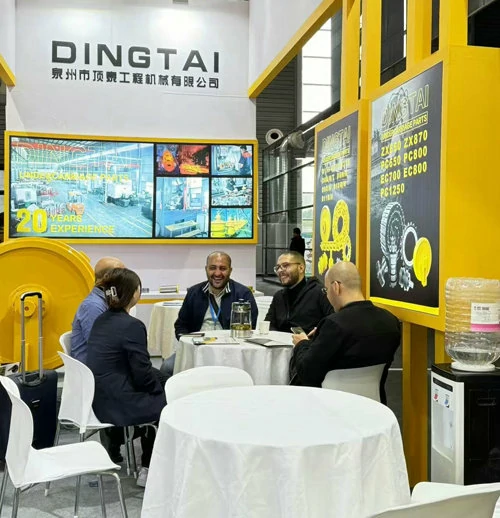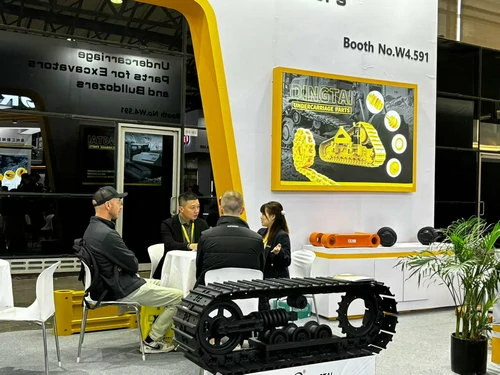
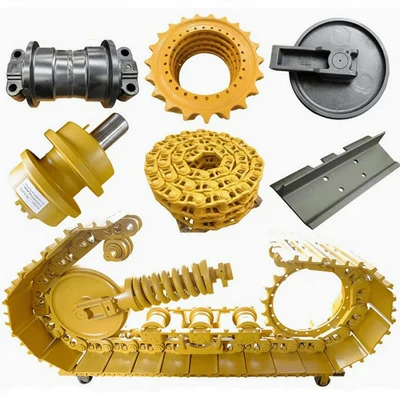
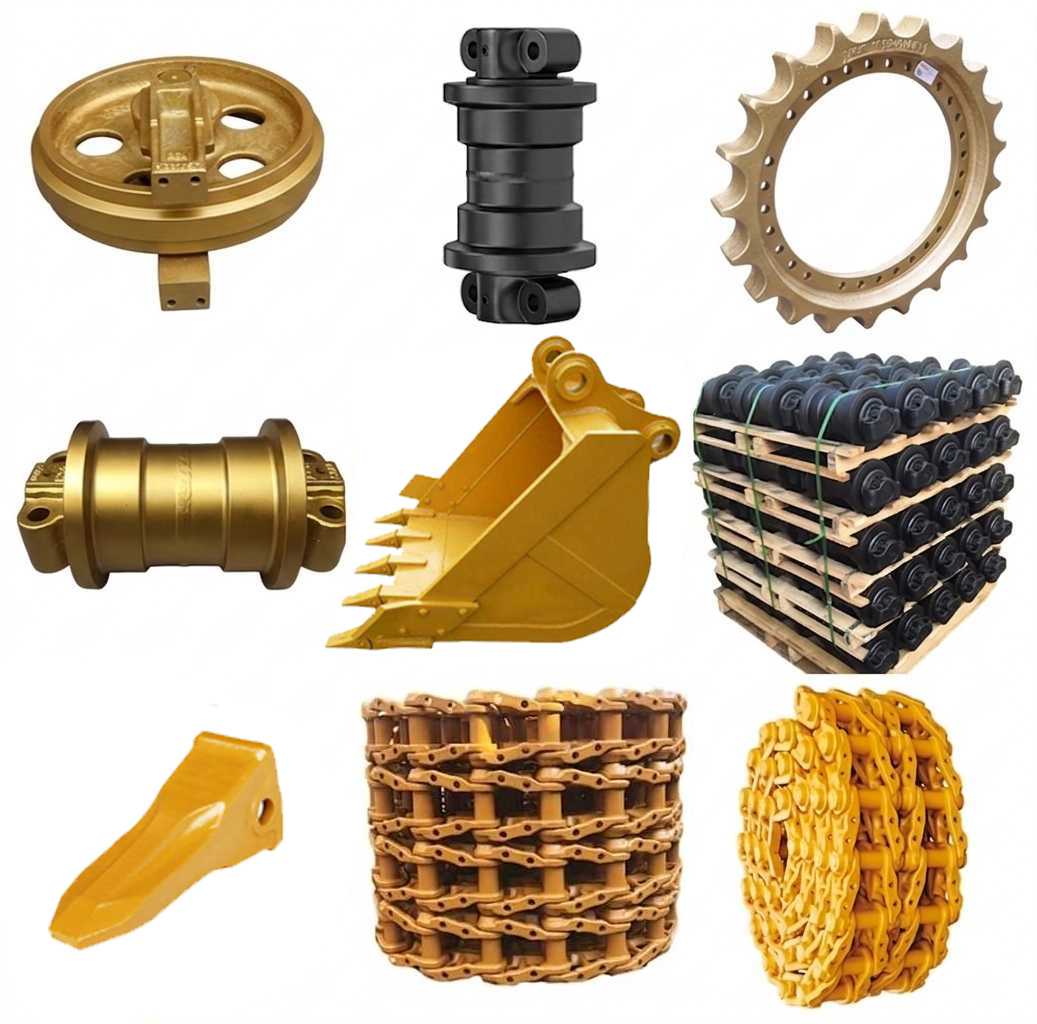
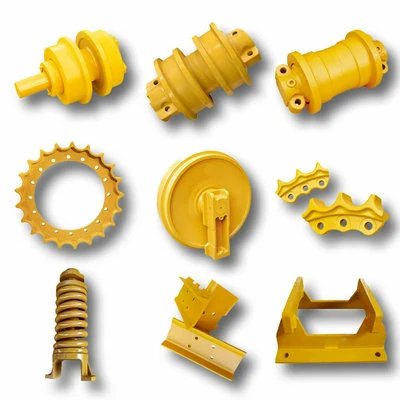
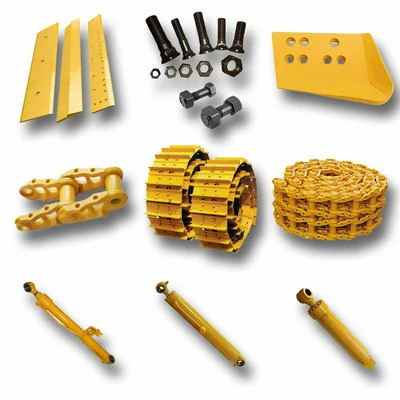
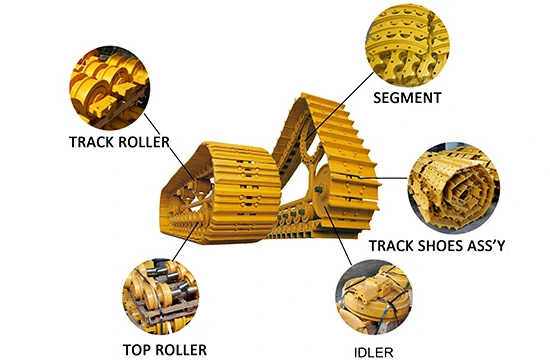
The challenge of sourcing high-quality undercarriage parts 1 led me to explore Chinese suppliers, where Dingtai emerged as a standout choice. Their mix of innovation, strategic advantage, and tailored solutions sets them apart.
Dingtai's core competitive advantage comes from their niche expertise in undercarriage components 2, superior quality control processes, and strategic supply-chain management 3. Their commitment to customization, operational agility, and customer service excellence provides crucial benefits in a competitive market.
Choosing them stands as a key step in securing reliable product flow, optimal performance, and strategic alignment with long-term business goals.
How Does My Quality Control Process Differ from Competitors in Jining?
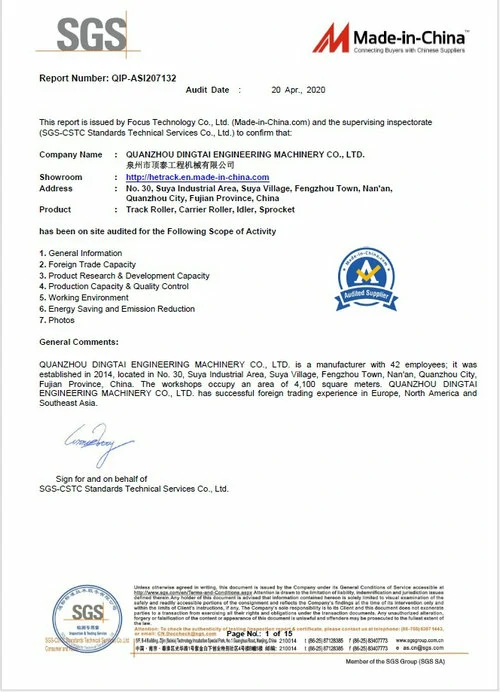
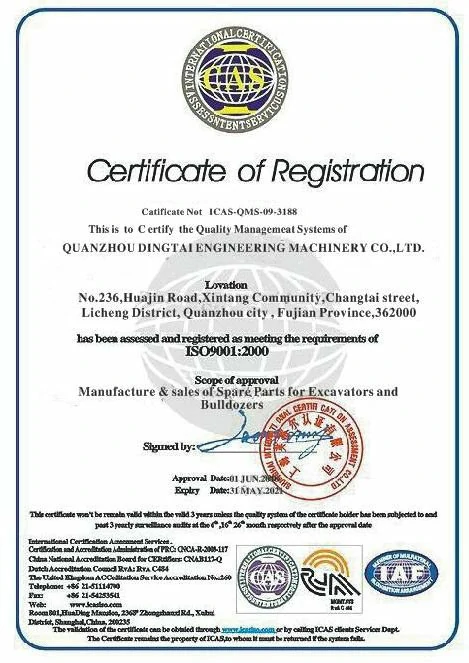
Quality issues haunt many businesses importing industrial parts from China 4. I needed assurance that my products meet high standards. Dingtai's rigorous quality inspections 5 and certifications gave confidence.
Dingtai’s approach to quality standards involves meticulous inspections at every production phase. Unlike Jining factories, their commitment spans ISO 9001 and SGS certifications, ensuring all products pass through 100% testing before dispatch. This robust system sharply reduces defect rates, offering peace of mind to importers like me regarding product reliability.
A more in-depth look into quality control reveals Dingtai's strategic measures and methods:
Key Quality Control Steps
| Procedure | Description |
|---|---|
| Incoming Inspection | Visual and technical checks to ensure raw material compliance. |
| In-process Monitoring | Continuous checks during production to prevent deviation from design specs. |
| Final Review | Comprehensive audits on finished products for supplier quality assurance 6. |
Quality standards affect many aspects of supply security. Dingtai begins with rigorous raw material selection, adhering to strict compliance rules for alloys and composites. Each product is subject to real-time error-checking, detecting structural and material flaws promptly.
Advantages
-
Documented Traceability 7:
Each step is recorded for traceability, allowing rapid identification of defects and root causes. -
International Standards Compliance:
Process aligns with international quality norms, minimizing customs issues and delivery delays. -
Reduced Warranty Claims:
Consistency in process leads to fewer failures, lowering warranty exposure and boosting brand trust.
Such systematic QA methods sharply contrast with the less formal processes enforced by some Jining suppliers.
Can I Get Better Technical Support from Your Engineering Team?
Adapting undercarriage parts 8 to meet specific demands requires technical finesse. I was searching for more than standard patches; Dingtai seemed ready to deliver.
Dingtai’s engineering team stands out for their proactive collaboration and technical prowess. They offer deep customization to ensure parts fit and function according to specific OEM models and regional fleet requirements—a stark improvement over Jining suppliers that typically favor off-the-shelf solutions.
Diving deeper into their technical support practices highlights several strengths:
Engineering Collaboration and Innovation
| Factor | Benefit |
|---|---|
| Customization Capabilities | Enhanced fit for diverse machine types, optimizing wear-life. |
| Design Collaboration | Early involvement ensures serviceability and aftermarket compatibility 9. |
| Rapid Problem Resolution | Timely analysis and rectification of issues, minimizing operational downtime. |
Support Highlights
-
Customization:
They're not just manufacturers, but partners in refining product specifications. Adjustments are made according to regional and operational demands, reducing unnecessary wear and failures. -
Technical Collaboration:
Engineers actively work with you throughout the development process, ensuring alignment between product specifications and operational demands. -
Serviceability Focus:
Designs consider ease of maintenance and longevity, increasing utility.
Such attributes stand as clear differentiators when compared to more generalized services offered by competitors.
What Makes My Supply Chain More Stable When Sourcing from You in Fujian?
A stable supply chain 10 is critical. To me, proactive management means delivering parts when needed without compromising quality.
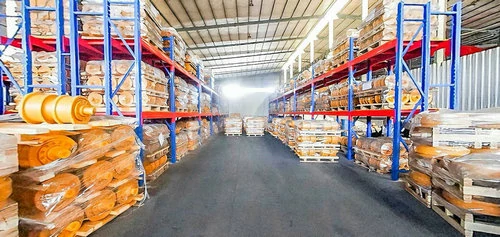
Sourcing from Dingtai in Fujian enhances supply chain stability through strategic logistics and efficient management practices. Their approach includes proactive buffer stock management, transparency in lead-time, and adaptive capacity planning—all designed to mitigate disruptions, setting them apart from other suppliers obtained from regions like Ningbo or Jining.
Exploring their supply chain strengths in detail:
Supply Chain Management Practices
| Aspect | Description _ |
|---|---|
| Buffer Stock Management | Maintaining stock levels to prevent shortages during peak demand. |
| Lead-Time Transparency | Providing clear timelines to manage expectations and planning. |
| Adaptive Capacity Planning | Adjusting production based on demand fluctuations, enhancing flexibility. |
Stability Factors
-
Predictable Lead Times:
Clear communication around logistics schedules and order timelines improves planning accuracy. -
Efficient Logistics Management:
By optimizing logistics routes, they reduce delivery inconsistencies and delays. -
Capacity Planning:
Ability to adjust production schedules to address demand spikes ensures consistent availability.
These ensure robust, predictable supply flows that protect against supply chain bottlenecks.
Do I Get More Consistent Heat Treatment Quality from Your Factory?
Heat treatment quality is crucial for ensuring part durability, especially in tough environments. I need confidence in each shipment.
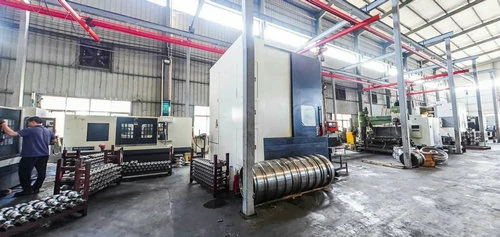
Dingtai provides consistent, reliable heat treatment quality by leveraging advanced manufacturing technology and stringent quality controls. Their precision-driven approaches result in components that offer superior fatigue resistance and durability—qualities that often exceed those provided by Jining suppliers.
The specifics of their heat treatment processes reveal extra layers of quality assurance:
Key Heat Treatment Techniques
| Process | Advantage _ |
|---|---|
| Controlled Heat Levels | Ensures uniform material characteristics, robust performance, and durability. |
| Precision Equipment | Utilizes state-of-the-art machinery for accurate consistency in treatment. |
| Quality Inspections | Provides detailed checks post-treatment for flaw detection. _ |
Process Highlights
-
Uniform Treatment:
Carefully controlled heat levels provide small tolerances, ensuring consistency across batches. -
Precision Equipment Usage:
Advanced technology achieves preferable results in terms of strength and wear resistance. -
Post-Treatment Inspecting:
Further safety measures detect any material deviations, protecting quality.
This combination of techniques affirms their commitment to high performance and reliability.
Conclusion
My partnership with Dingtai ensures superior customization, quality, and support—key elements in competitive advantage when importing crucial undercarriage components.
Footnotes
1. Guide on identifying durable, high-performance undercarriage components for heavy machinery. ↩︎
2. Learn how specialized knowledge in undercarriage parts leads to better product development. ↩︎
3. Explore principles of strategic supply-chain management for global sourcing. ↩︎
4. A comprehensive guide on the process and challenges of importing industrial parts from China. ↩︎
5. Understand the key steps and standards involved in rigorous quality inspections for manufacturing. ↩︎
6. Best practices for establishing a robust supplier quality assurance (SQA) program. ↩︎
7. The importance of documented traceability in manufacturing for quality control and compliance. ↩︎
8. Technical insights on modifying and adapting undercarriage parts for specific operational needs. ↩︎
9. Learn why aftermarket compatibility is crucial for parts distributors and equipment maintenance. ↩︎
10. Define what constitutes a stable supply chain and its benefits for importers. ↩︎