I need tough parts that do not fail. Bad QC hurts my brand and cash flow. I use a clear QC plan to stop defects early.
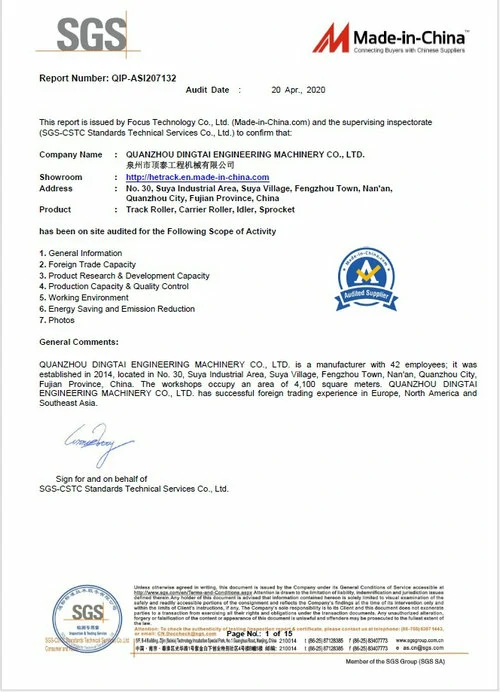
I build quality at five stages: supplier setup, incoming material checks, in-process inspections, final pre-shipment inspection, and loading verification. I set simple rules, clear samples, and full records. I use random sampling, batch testing, third-party checks, and full traceability on every lot.
I will walk you through each step, from steel arrival to the packed crate. I will show what I check, who owns it, and how I document it. If anything fails, I isolate the lot, fix the cause, and only ship when it passes.
How do I verify the quality of the raw steel when it arrives?
I have seen raw steel make or break a job. If the steel is wrong, no process can save the part. I stop problems here first.
I verify raw steel with supplier ISO proof, mill test reports 1, positive material ID, hardness checks, and batch trace codes. I use random sampling by lot. I compare results to my spec sheet and my golden sample. If a lot fails, I hold and investigate.
What I check on day one
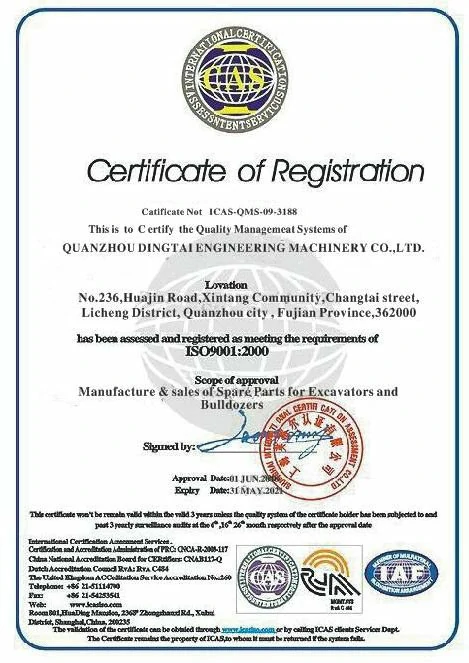
I start at the gate. I collect the delivery note, heat numbers, and mill test reports. I match the material grade to my spec. I check the supplier’s ISO 9001 certificate 2 and the date of the last audit. I confirm my order number and the batch numbers are linked in the factory system. I do not allow mixing of lots.
I ask for chemical composition and mechanical properties 3 for each heat. I check carbon, manganese, chromium, and other alloy elements if needed for wear parts. I match yield strength, tensile strength, and elongation to my sheet. I do a quick PMI test 4 on random bars or plates. If I see a mismatch, I stop and escalate.
Sampling and tests
I use a simple plan. I take random samples from each lot. I test hardness on raw stock when needed. I look at surface scale and rust. I check straightness and plate thickness. I verify tags and stamps match paperwork. I do not cut corners.
Here is my core incoming steel check list:
| Check _ | Tool/Method | Sample Size | Criteria | Action if Fail |
|---|---|---|---|---|
| Chemical composition (MTR) | Certificate + ICP-OES | Per heat | Within spec range | Hold lot, re-test |
| Mechanical (UTS, YS, EL) | MTR review | Per heat | Meets minimum values | Hold lot, supplier CAPA |
| PMI grade confirmation | Handheld analyzer | AQL random 5 | Correct grade and alloy | Quarantine, root cause |
| Hardness (HB/HR) | Portable tester | AQL random | Within pre-set window | Reclassify or reject |
| Heat number and trace code | Visual check | 100% ID tags | Traceable and legible | Re-tag or reject |
| Surface condition | Visual + photos | AQL random | No heavy scale, deep rust | Clean or reject |
Risk control and documentation
If I find a risk, I isolate the lot and mark the pallets. I run a second test to confirm. I open a non-conformance report. I record the issue, the batch, the heat numbers, and photos. I ask for a corrective plan from the mill or stock supplier. I keep all incoming records in a shared folder. I can also call a third-party lab for a fast, unbiased test. I learned this the hard way. I once caught low manganese in a steel batch for track links. My PMI and MTR cross-check saved weeks of rework and a big shipment delay.
What are the key inspection points during the manufacturing process?
I do not wait until the end. I check during forging, machining, heat treatment, and assembly. I control critical dimensions, hardness, case depth, and fit.
I run first article checks, in-line checks, and final checks for each batch. I mark critical-to-quality features. I set simple gauges and go/no-go rules. I use SPC where it helps. I keep tool calibration logs up to date.
First article approval
I start with a first article inspection 6 on the first run or any change. I measure every critical dimension. I compare with my golden sample and drawing. I check surface finish and edges. I confirm heat treatment flow and soak times. If I see drift, I stop the line and correct. I record the results in a first article report.
In-line checks and control
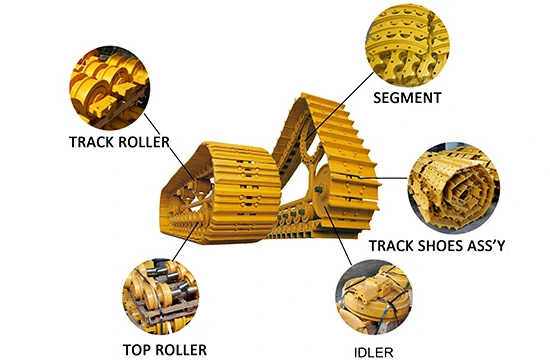
I add checkpoints at risky steps. For pins and bushings, I check diameter and roundness after machining. For track links, I gauge pitch and hole locations. For rollers and idlers, I check runout and bearing fit. For sprockets, I check tooth profile and spacing. I keep a simple, clean layout so the team can measure fast.
I also control heat treatment. I verify furnace temperature profiles 7. I record time at temperature and quench medium. I test hardness and case depth 8 on samples. I mark each heat-treated batch with a trace code. I keep hardness data in a log. I trigger extra checks if hardness moves out of window.
In-process CTQs by part
I focus on features that affect safety and wear. I keep criteria clear and easy to read.
| Part | CTQ Feature | Method | Frequency | Criteria |
|---|---|---|---|---|
| Track link | Pitch, hole position | Gauge + CMM | Per 30 pcs | Pitch ±0.3 mm, hole ±0.2 mm |
| Pin | Diameter, roundness | Micrometer + Round | Per 50 pcs | Dia ±0.02 mm, roundness ≤0.01 mm |
| Bushing | ID, wall thickness | Bore gauge | Per 50 pcs _ | ID ±0.02 mm, wall ±0.05 mm |
| Roller | Runout, bearing fit | Dial + Plug gauge | Per 20 pcs | Runout ≤0.05 mm, fit H7 |
| Sprocket | Tooth profile, spacing | Profile gauge | Per 30 pcs | Profile match GS, spacing ±0.2mm |
Calibration, training, and audits
Tools drift. People get busy. I set tool calibration schedules. I train QC staff and line leaders on each CTQ. I run simple process audits weekly. I look for clean work areas, correct gauges, and clear work instructions. I record audit findings and fix gaps fast. This keeps QC tight and simple.
Do I get a final inspection report for every order I place?
I give a final inspection report for every order. I include photos, measurements, hardness data, trace codes, and packaging checks. I show pass/fail and any rework. I keep a copy for future audits.
What goes into my final report
My final report is simple and complete. It lists your order number, part numbers, batch codes, and quantities. It includes dimensional checks on critical features. It shows hardness and case depth if needed. It has photos of random parts and any defects found. It shows packaging and labeling. It includes the MTRs and heat treatment records where they apply. Each page is signed and dated by the QC lead.
I mark acceptance criteria next to each data set. I use a clear pass/fail line. I add notes on minor defects and how we handled them. If we reworked parts, I show the new measurements after rework. I attach a summary page with totals: samples checked, defects found, defects fixed, defects that failed.
AQL and acceptance
I follow a simple AQL plan. I set the sample size based on your risk level and the part type. I record the AQL level in the report. If the defect count passes, we release the lot. If it fails, I hold the lot and test more parts. I add extra checks on the next run.
What happens if something fails
If I see a failure, I open a non-conformance case. I isolate the lot. I run a root cause analysis 9. I fix the cause at the process step. I check the fix with a new sample. I update the report with all actions. I do not ship until it passes. This keeps your brand safe and your customers happy.
How do you ensure my QC standards are followed for every part?
I lock your standards into simple documents, clear samples, and repeatable checks. I tie each step to an owner and a record. I audit the line and train the team often.
I use a QC manual, a part spec sheet, and a golden sample for each part. I set traceability from raw steel to finished goods. I run layered audits. I keep a digital trail. I use third-party QC when needed.
Control tools I use
I start with a QC manual and a part spec sheet. These set materials, dimensions, hardness, finish, and packaging. I keep a golden sample to anchor the look and feel. I add simple work instructions at each station. I use go/no-go gauges 10 to make fast calls on the line. I ask for MTRs and heat treatment records for each batch. I store all files with the lot number.
Audits, training, and third-party checks
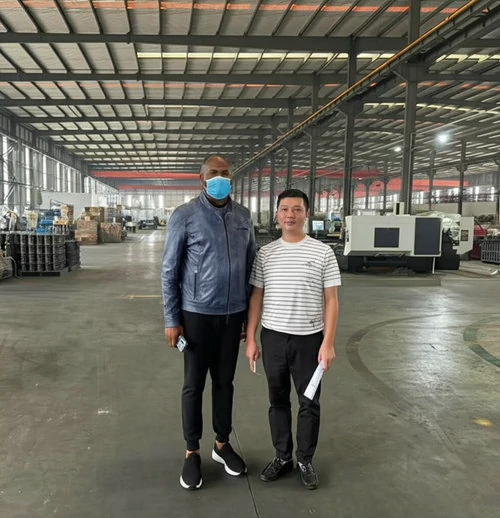
I plan audits at three layers: the line, the QC room, and management review. I check if staff follow the spec and record results. I test the gauges for calibration. I check the cleanliness of the work area. I run refresher training for QC staff and operators. I teach how to read the spec, measure parts, and spot defects. I add a third-party QC visit on new parts and high-risk orders. This keeps the system honest and simple.
QC control matrix
I map each step to an owner and a record. I keep it visible and updated.
| Stage | Document | Owner | Frequency | Output |
|---|---|---|---|---|
| Supplier qualification | ISO check, factory audit | Buyer + QA | Pre-contract | Approved vendor list |
| Incoming material | MTR, PMI, hardness | QA inspector | Each lot | Incoming inspection record |
| First article | FAI report, GS compare | QA + Engineer | First batch | Approved FAI report nbsp; |
| In-line inspection | CTQ check sheets | Line + QA | Per interval | In-process QC logs |
| Final inspection | Dimensional + hardness | QA lead | Each order | Final report with photos |
| Loading verification | Packing list + photos | QA + Warehouse | Each shipment | Loading checklist and photo set |
| Post-shipment feedback | Field report + CAPA | QA + Sales | After delivery | CAPA file and improvements |
Digital tracking and issue handling
I use batch-level trace codes. I link them to steel heat numbers and process steps. I store all data in a shared folder. I flag any issue with a non-conformance report. I record the cause, the fix, and the test results. I share a summary after each shipment. I also compare new batches to control samples. This catches drift early. I prefer simple systems that people can use every day. They keep quality steady and easy to audit.
Conclusion
This QC plan controls risk at every step, keeps records tight, and protects your brand with clear tests, fast fixes, and full traceability.
Footnotes
1. Explains what a Mill Test Report (MTR) contains for material verification. ↩︎
2. Provides official details on the ISO 9001 quality management standard. ↩︎
3. Overview of key steel properties, including chemical composition and mechanical strength. ↩︎
4. Details on Positive Material Identification (PMI) testing methods for alloy verification. ↩︎
5. A guide to Acceptance Quality Limit (AQL) sampling for inspections. ↩︎
6. Explains the First Article Inspection (FAI) process for verifying production setup. ↩︎
7. Technical guide on the principles of heat treating steel and temperature control. ↩︎
8. Describes testing methods for measuring steel hardness and case depth after treatment. ↩︎
9. A simple guide to performing Root Cause Analysis (RCA) to solve non-conformances. ↩︎
10. Explanation of how go/no-go gauges are used for rapid pass/fail checks. ↩︎