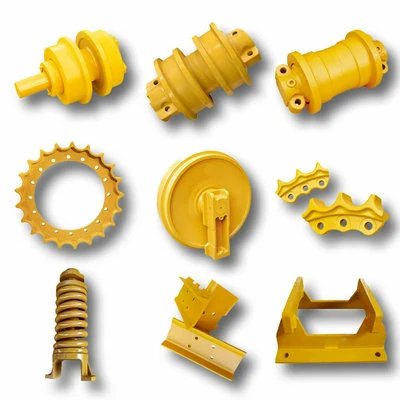
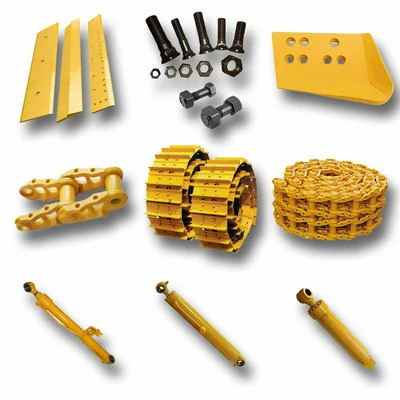
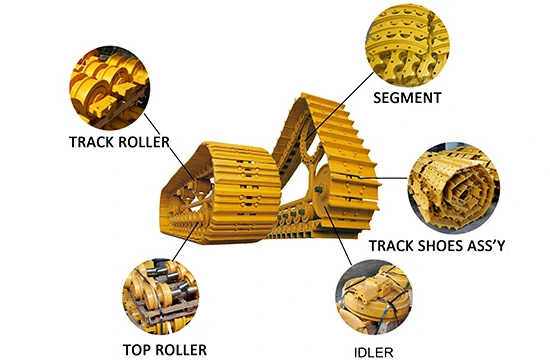
Considering custom branding options, I wonder if it's feasible to have laser or steel stamping on parts. These markings must endure harsh conditions without fading.
Laser marking and steel stamping are feasible for undercarriage parts in China. These processes can ensure durability and brand recognition, but thorough planning and communication with suppliers are essential.
Arranging for your brand on the parts can be straightforward, provided your specifications align with the manufacturer's capabilities. Suppliers can usually accommodate such requests, though it requires coordination and understanding of the processes involved 1.
Is there an extra cost for adding my logo or part number?
Adding a logo or part number involves investment in marking technology. I want my brand to elevate the perceived value and assure authenticity without significantly raising costs.
There may be additional costs for branding customization based on quantity and marking techniques employed. Negotiating these with your supplier is crucial to balance budget with branding needs.
Several factors influence the costs of branding. Below is a table showing potential costs involved with laser marking and steel stamping:
| Branding Method | Typical Costs (USD) | Quantity Influences | Setup Time |
|---|---|---|---|
| Laser Marking | $0.50 - $2.00 per part | Lower for bulk orders | Low |
| Steel Stamping | $1.00 - $3.00 per part | Requires tooling | Medium |
| Combination Approach | $2.00 - $5.00 per part | Higher setup cost | High |
Understanding these costs helps you plan orders effectively. Suppliers often require minimum order quantities 2, allowing economies of scale that might offset initial setup expenses.
What file format do I need to provide for my logo?
Ensuring that my logo is applied correctly means providing it in suitable formats. Any issues here can delay processing or affect the marking quality.
Logos are typically accepted in vector formats like SVG or AI to ensure scalability and clarity during marking. A clear file specification to the supplier is a prerequisite.
Marking accuracy fundamentally depends on the quality of the graphics 3 provided. Here’s a breakdown of acceptable formats:
| Format Type | Attributes | Examples |
|---|---|---|
| Vector | Resolution-independent, scalable | .SVG, .AI** |
| Raster | Limited to specific sizes, less flexible | .PNG, .JPG |
| Others | Application-specific formats | .PDF, .DWG |
A high-quality vector file 4 ensures precise replication and an enduring mark that withstands operational stresses.
Can I specify the exact location of the marking on the part?
Positioning the branding where it's visible yet unobtrusive is key. I'll need to communicate this unmistakably with suppliers to avoid issues like misplacement or size limitations.
Yes, specifying marking location is generally possible. Communicate precise dimensions and placement during the initial discussion with your supplier to ensure alignment.
The discussion on location doesn't end with merely pointing out spots. It involves considering the parts' geometry 5 and operational visibility.
Factors in Marking Placement:
- Visibility: Ensure marks aren't obscured by assembly or wear. Consider where they can be easily seen post-installation.
- Durability: Validate areas least prone to abrasion or erosion. Surface preparation tendencies 6 influence marking persistence.
- Regulatory Compliance: Verify placement doesn't contradict any packaging or compliance standards 7.
Once clear, these specifications should be recorded and confirmed via sample assessments 8.
How does this marking hold up against wear and tear?
I'm concerned about markings maintaining legibility under harsh conditions. Any failings here create issues, like difficulties in inventory tracking 9 and brand visibility for customers.
Marking durability is generally high for laser marking and steel stamping. Proper application ensures resistance to harsh environments as long as surface conditions are respected.
Here's a table indicating the durability of each marking method across common environmental conditions:
| Environment | Laser Marking | Steel Stamping |
|---|---|---|
| Mud and Dirt | Resists well, low fading | Typically good, less detail |
| Oil and Grease | High resistance, legible | May obscure stamping |
| Abrasion | Resistant to moderate wear | May deteriorate over time |
Appropriate choice in method and execution guarantees marks 10 remain legible through regular operational cycles, thus boosting reliability and brand identity.
Conclusion
Marking undercarriage parts with branding is achievable and durable, but requires careful coordination with suppliers to meet requirements.
Footnotes
1. Explore the technical differences between laser marking and steel stamping. ↩︎
2. Guide to understanding and negotiating minimum order quantities (MOQs). ↩︎
3. Tips for preparing high-resolution graphics for manufacturing applications. ↩︎
4. Explanation of vector file usage in industrial engraving and marking. ↩︎
5. How product geometry impacts industrial marking and labeling choices. ↩︎
6. Importance of proper surface preparation for durable industrial markings. ↩︎
7. Overview of international product marking and labeling compliance standards. ↩︎
8. Best practices for confirming product specifications via pre-production samples. ↩︎
9. Impact of product marking on efficient inventory management and logistics. ↩︎
10. Case studies on achieving high-durability branding in heavy-duty components. ↩︎