
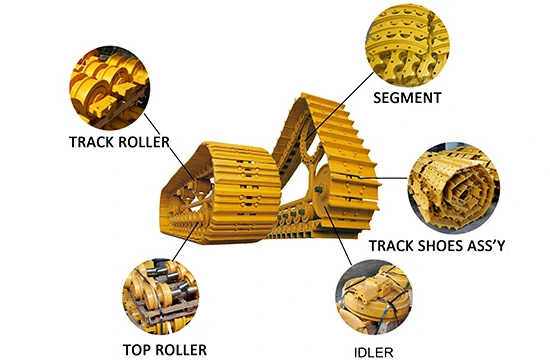
Finding feasible solutions for replacement shipping costs can be bothersome if it's not addressed early on. I've learned that understanding agreements regarding replacement shipping costs 1 is vital to avoid unexpected expenses.
In most cases, suppliers bear the costs of returning defective parts and shipping the replacements. This typically applies when defects are due to manufacturing issues and are covered by warranty terms agreed upon in your contract with the supplier.
Never forget to check warranty clauses 2 to clarify shipping cost responsibilities.
Under what conditions will I be responsible for the return shipping?
Understanding the conditions under which shipping responsibility falls on me is important. I realized that ensuring clarity on these matters 3 saves time and hassle.
Typically, buyers cover return shipping only if the defect isn't covered by warranty or if it arises outside manufacturing issues, like mishandling after delivery. Contracts often define these criteria, specifying when buyers must manage returns.
Shipping responsibilities depend largely on several factors, including the nature of the defect 4 and the specific terms laid out in your contract with the supplier. Generally, suppliers pay shipping costs when a defect stems from their manufacturing process. However, there are cases where buyers might have to initially cover the cost and later get reimbursed.
Key Factors Influencing Shipping Cost Responsibility
- Warranty Clauses: These dictate whether defects are covered and who handles shipping returns.
- Incoterms: The chosen Incoterm can mandate 5 who arranges shipping based on delivery terms, like EXW (Ex Works) 6 or DDP (Delivered Duty Paid).
- Defect Verification: Documenting defects accurately helps in validating claims and determining shipping responsibilities.
Consideration Points
| Condition | Responsibility | Details |
|---|---|---|
| Manufacturing defect | Supplier | Valid warranty usually covers shipping costs. |
| Handling or misuse post-delivery | Buyer | Outside warranty coverage, costs fall to buyer. |
| Unclear contract terms | Potentially buyer | Clarify contract to shift responsibility. |
Do I have to ship the defective part back before you send the replacement?
Understanding complete return processes 7 ensures I don’t get stuck waiting indefinitely for vital part replacements.
Typically, suppliers require the return of the defective part before dispatching a replacement. This ensures defect verification and compliance with warranty terms. However, urgency or agreements might influence this.
Having a clear return and replacement strategy 8 is critical for efficient operations. Most suppliers adhere to a return-first policy to confirm the defect's nature before sending out replacements. This approach protects their interests, ensuring that returns aren't misused.
Why Returns are Necessary
- Verification: Suppliers need the item back to verify defect claims and assess warranty validity.
- Process Compliance: It ensures adherence to documented procedures for warranty and replacements.
If the claim is urgent, can I pay for express shipping and get reimbursed?
I’ve faced urgent situations where expressing parts’ shipments were crucial for ongoing projects. Understanding possible reimbursements is quite significant.
In urgent situations, buyers can often negotiate with suppliers to pay for express shipping first and get reimbursed. This is generally agreed upon when quick resolutions are crucial for ongoing projects, but specifics vary by agreement.
Express shipping 9 can be a lifesaver when projects are on tight schedules. Suppliers or buyers may arrange for quick shipping solutions if prior agreements allow. Reimbursement depends on established agreements and the supplier’s flexibility.
Steps for Arranging Express Shipping and Reimbursement
- Communication: Immediate communication with suppliers ensures express needs are acknowledged.
- Documentation: Thorough documentation along with courier invoices aids in reimbursement processes.
- Supplier Policy: Clarify policies regarding urgent claims and reimbursements within warranty terms.
| Aspect | Urgency Protocol | Supplier Engagement |
|---|---|---|
| Immediate communication | Notify supplier immediately | Set expectations for prompt response/actions |
| Invoice management | Secure courier invoices | Critical for reimbursement validation |
How do you manage shipping costs for warranty claims?
Understanding how shipping costs are managed under warranty 10 helps me make informed decisions on supplier agreements.
Suppliers usually account for shipping costs within the warranty framework by allocating predefined budgets or terms. Contracts typically specify these processes for clarity and minimize disputes.
Supplier agreement terms often delineate clear processes regarding cost handling and allocation for warranty claims to mitigate potential disputes. Understanding these helps establish precise shipping responsibilities for defects and replacements.
Standard Procedures for Managing Warranty Claims
- Warranty Framework: Agreements often stipulate budget limits or clauses addressing shipping costs.
- Supplier Coordination: It aligns warranty terms with supplier operations to facilitate smooth claims.
Conclusion
Clear agreements on shipping costs within warranty and replacement processes are essential to avoid unexpected expenses and foster strong supplier relationships.
Footnotes
1. Explore best practices for drafting clear shipping cost agreements in international contracts. ↩︎
2. Guide to understanding the crucial elements of effective product warranty clauses. ↩︎
3. Tips for establishing clear, unambiguous commercial terms and conditions with overseas suppliers. ↩︎
4. Learn about common manufacturing defects in undercarriage parts and how to identify them. ↩︎
5. Detailed comparison of Incoterms and their impact on logistics and cost responsibility. ↩︎
6. Comprehensive explanation of the EXW (Ex Works) Incoterm and its responsibilities. ↩︎
7. Best practices for defining efficient and fair product return procedures with international suppliers. ↩︎
8. Strategies for creating a robust and timely process for defective part returns and replacements. ↩︎
9. Insight into the costs, benefits, and logistics of international express freight services. ↩︎
10. Case studies on how companies effectively manage shipping costs in their warranty programs. ↩︎