You have a great custom part design. But you are scared a supplier will steal it. This fear is valid and stressful. I’ve learned how to protect my IP. Let me share my methods.
Protecting your intellectual property involves strong legal steps. I always use a Non-Disclosure Agreement (NDA) before I show any designs. I also ensure my manufacturing contract clearly states that I am the sole owner of all tooling and design IP. These documents are my essential shield.
These legal documents are the foundation. But the details inside them are what really count. The specific type of agreement and the exact clauses you use are critical for success. Let's look at the first step everyone asks about.
Should I have a separate Non-Disclosure Agreement (NDA) signed before sharing any designs?
You need a price, so you must share your design. But what stops the factory from keeping it? A standard NDA feels like a thin shield. I’ve learned that a specific type of agreement is necessary.
Yes, absolutely. I always sign an agreement before sharing any technical details. But I don't use a standard NDA. I use a specific NNN Agreement (Non-Use, Non-Disclosure, Non-Circumvention) that is written in Chinese and enforceable in a Chinese court. This is my first line of defense.
This is the most common mistake I see. Many buyers from the US or Europe send their standard, English-language NDA to a Chinese supplier. Unfortunately, that document is often not enforceable in China 1. It might make you feel safe, but it provides very little real protection.
Why a Standard NDA Fails in China
A standard Western NDA usually has two major flaws:
1. Wrong Jurisdiction: It often names a US state or European country as the governing law. A Chinese court will not enforce this. You would have to sue in your home country, and even if you win, it's almost impossible to enforce that judgment against a company in China.
2. Wrong Focus: An NDA focuses on "Non-Disclosure" (keeping secrets). In China, the real danger is not that the supplier will tell someone your secret; it's that they will use your secret themselves to compete against you.
The Three Pillars of an NNN Agreement
This is why I exclusively use an NNN agreement 2. It must be written in Chinese, be governed by Chinese law, and be enforceable in a specific Chinese court near the supplier. It is built on three pillars:
- Non-Use: This is the most important part. It explicitly forbids the supplier from using your design or IP for any purpose other than fulfilling your specific purchase order. They cannot use it to make parts for themselves or for any other customer.
- Non-Disclosure: This is the standard "confidentiality" part. It stops them from showing your designs, specs, or customer lists to anyone else.
- Non-Circumvention: This stops the supplier from finding your end-customers and selling to them directly, bypassing you.
Table 1: NDA vs. China-Specific NNN
| Feature | Standard Western NDA | China-Specific NNN |
|---|---|---|
| Primary Goal | Prevent Secrecy Breach (Disclosure) | Prevent Economic Damage (Use) |
| Governing Law | Often US/EU (Unenforceable) | Chinese Law (Enforceable) |
| Controlling Language | English Only | Chinese (Controls in dispute) |
| Key Clause | Confidentiality | Non-Use & Non-Circumvention |
| Remedy | Suing for "damages" (hard to prove) | Liquidated Damages 3 (A pre-agreed penalty) |
When I present an NNN, I also look at the supplier's reaction. A reputable factory, like my company Dingtai, will understand the need for IP protection and will sign a reasonable agreement. We respect our customers' designs. A supplier who refuses, or tries to water it down, is a major red flag. I also insist on a "liquidated damages" clause, which sets a high-dollar penalty for any breach. This makes the agreement a powerful deterrent.
Can the contract state that I am the sole owner of the tooling and design IP?
You paid thousands for new tooling. But the factory has physical possession of it. What stops them from using it for other customers? I learned to be extremely clear about who owns what.
Yes. It is not just possible, it is essential. I ensure my contract has a specific "Tooling Ownership" clause. It states that I am the sole owner of all molds, jigs, and designs, even if they are stored at the supplier's facility. This is non-negotiable.
This is where many buyers get into trouble. They pay a "tooling fee" but don't have a contract that clearly defines ownership. The supplier might believe that since they made the tool and it's in their factory, they have the right to use it. You must prevent this misunderstanding before it happens.
Use a "Works Made for Hire" Clause
First, I make sure my main manufacturing agreement includes "Works Made for Hire" 4 language. This means that any designs, improvements, or modifications the supplier makes based on my original idea are also my property. This stops them from making a small change to my design and claiming the "new" design as their own.
The Power of a Separate Tooling Ownership Agreement
Even better than a clause, I often use a separate Tooling Ownership Agreement 5. This document is simple, clear, and very specific. It must be signed before I pay the invoice for the tooling.
This agreement does several things:
- It confirms that I am the 100% legal owner of the tooling.
- It lists every single tool, mold, and jig, often with a serial number or identifier.
- It states that the supplier can only use this tooling to produce parts for me and for no one else.
Table 2: Key Clauses for a Tooling Agreement
| Clause | Purpose |
|---|---|
| Clear Ownership | States you are the 100% owner of the tooling, regardless of possession. |
| Exclusive Use | Supplier can only use the tooling to fulfill your purchase orders. |
| Identification | Requires the supplier to physically label or stamp the tooling with your company name. |
| Maintenance & Storage | Defines who is responsible for maintaining the tool in good condition. |
| * Retrieval Rights | States you have the right to inspect or remove your tooling on demand (e.g., within 10 days of request). |
| End-of-Life | Defines what happens when the tool wears out or the contract ends. |
I also control my digital files. I never send my entire design package at once. I send only what is necessary for the quote. After the NNN is signed, I send what is needed for tooling. I also watermark all my technical drawings with a clear message: "Confidential. Property of [My Company]. For use by [Supplier Name] only. Not for redistribution." This creates a clear digital and physical paper trail.
What clauses can I include to prevent the supplier from selling my custom design to other customers?
Your contracts are signed. But what really stops a factory from making a few extra parts and selling them on the side? The profit can be tempting. I rely on strong, specific penalty clauses.
I insist on two critical clauses. The first is an "Exclusivity and Non-Compete" clause, which forbids the supplier from producing or selling this design to any other party. The second, and most important, is a "Liquidated Damages" clause. This sets a specific, high-dollar penalty for any violation.
A contract is only as good as its enforcement. If a supplier breaches the contract, suing them for "damages" is slow and difficult. You have to prove how much money you lost, which is very hard. A much better way is to make the penalty clear from the start.
The Power of Liquidated Damages
This is the most effective tool I use. A "Liquidated Damages" clause is a pre-agreed-upon penalty.
For example, the contract states: "If Supplier breaches Clause X (Exclusivity) 6, Supplier agrees to immediately pay [My Company] a penalty of $50,000 USD."
This is powerful for several reasons:
1. It's a Deterrent: The supplier sees a large, specific number. They know that if they get caught, the cost is high. It makes cheating not worth the risk.
2. It's Enforceable: Chinese courts are very good at enforcing contracts with clear penalty clauses. It's a simple case: Did they breach the clause? Yes. Then they must pay the penalty. There is no complex argument about "lost profits."
3. It's Fast: This process is much faster than a typical lawsuit.
Table 3: My Legal Fortress - Key Contract Clauses
| Clause | What It Does |
|---|---|
| NNN Agreement | (Signed before any contract) Protects against Use, Disclosure, and Circumvention. |
| IP Ownership | States you own the design, drawings, and all derivatives. |
| Tooling Ownership | States you own the physical molds, jigs, and dies. |
| Exclusivity | Forbids the supplier from making this part for anyone else. |
| Non-Compete | Forbids the supplier from making a similar part that competes with yours. |
| Liquidated Damages | Sets a specific, high-value fine for breaching any of the above clauses. |
You Must Also Monitor
Finally, a contract doesn't work if you aren't paying attention. I make it a habit to monitor my suppliers. This doesn't mean I don't trust them. It's just good business.
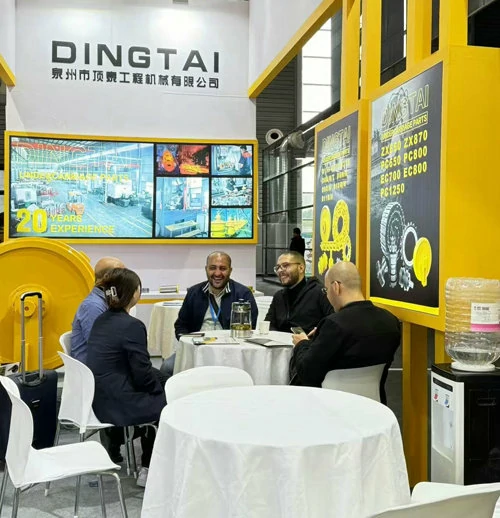
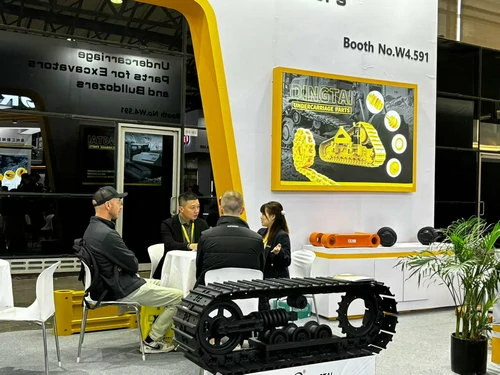
I, or my team, will periodically check their public websites, their Alibaba or Made-in-China stores, and their trade show booths. I look for any products that look suspiciously similar to my custom design. Sometimes, I will even have a third party send an inquiry to the factory asking to buy my part. This is a simple way to test their loyalty. A good supplier will reply, "We are sorry, that part is a custom design for our client and we cannot sell it." That is the answer I want to hear.
How can I register my design rights in China for better protection?
Your contracts are strong, but they only bind that one supplier. What if a third-party factory sees your product and copies it? You need public, government-backed protection to fight them.
I use China's own IP system. The most effective way I've found is to register a "design patent" or "utility model patent" with the China National Intellectual Property Administration (CNIPA). This gives me an official government certificate. It allows me to stop anybody in China from making or selling my design.
Your contract protects you from your partner. A patent protects you from everyone else. This is the highest level of protection you can get. Many people are surprised to learn that China's patent system 7 is robust, fast, and very effective, especially for patent holders.
First-to-File is the Only Rule
You must understand this: China is a "first-to-file" country 8. This means it does not matter who invented the design first. It only matters who files the patent application first.
I have seen companies get their own products copied by a competitor, and the competitor then rushes to file a Chinese patent for it. That competitor then owns the design in China and can even stop the original inventor from manufacturing their own product there. You must file first.
Design Patent vs. Utility Model Patent
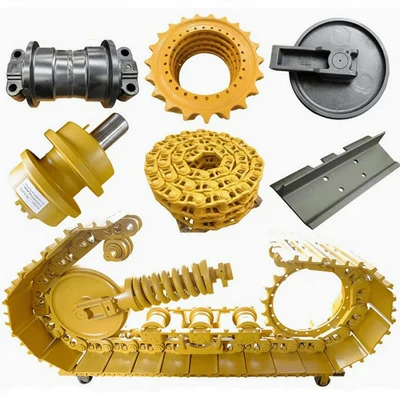
For custom undercarriage parts, I use two types of patents in China:
1. Design Patent (外观设计专利):
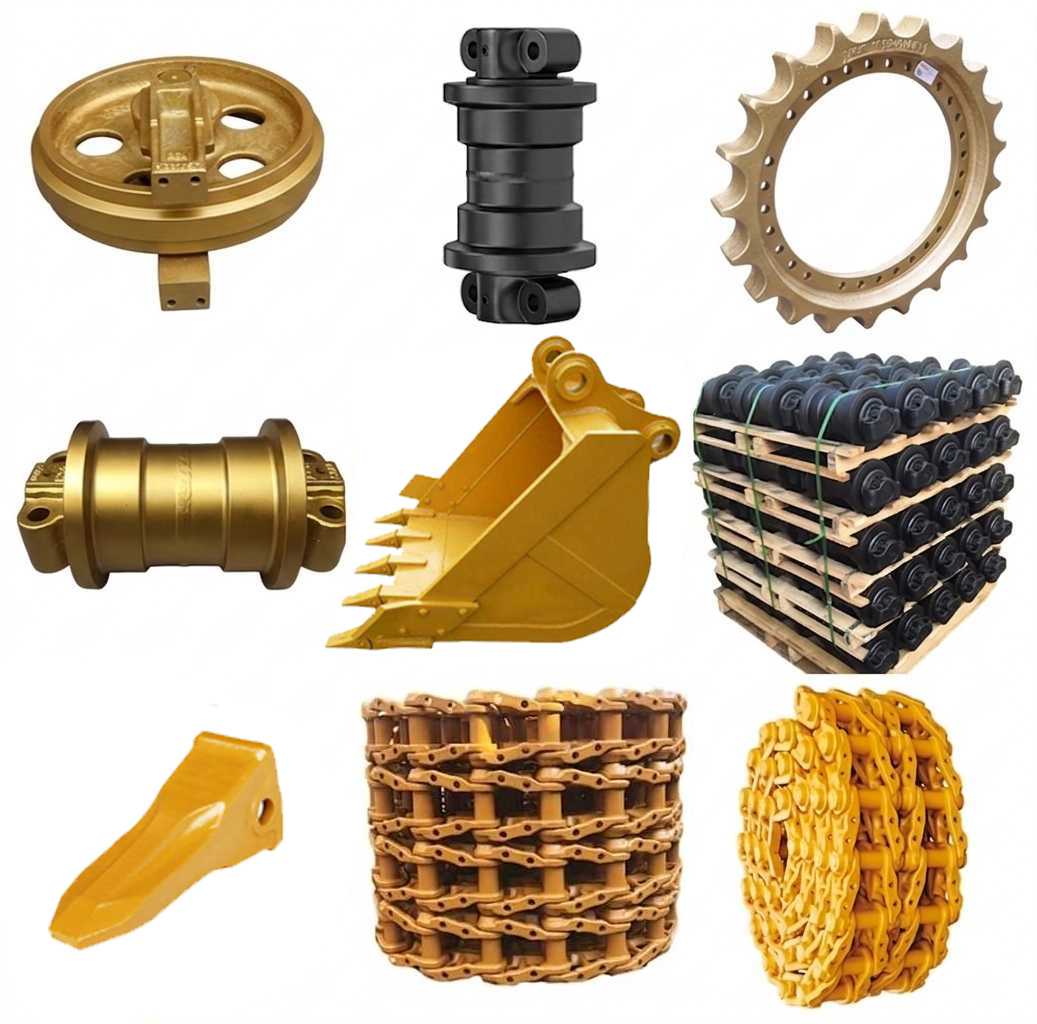
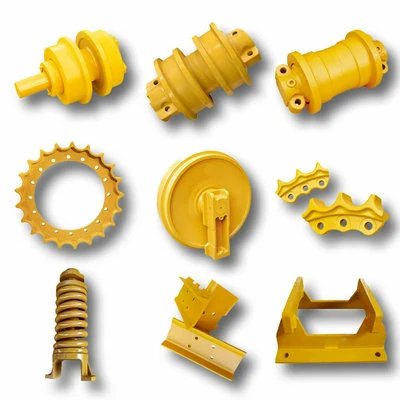
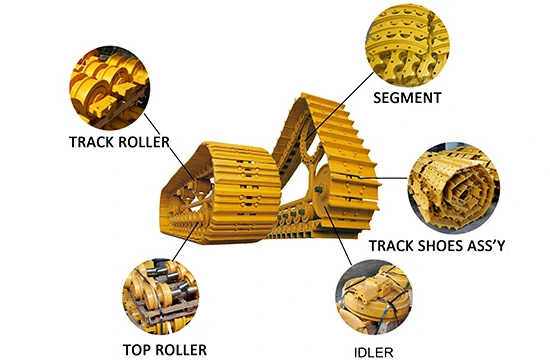
What it protects: The visual look, shape, or ornamentation of your part. If you designed a unique track pad tread or a specific shape for a roller, this is perfect.
Why it's good: It is very fast (usually 6-12 months) and relatively inexpensive. It does not require a deep technical examination.
2. Utility Model Patent 9 (实用新型专利):
What it protects: The function or structure of your part. If your custom design has a new internal seal system for a roller or a new locking mechanism for a bucket tooth, this is the right choice.
Why it's good: It is also very fast (6-12 months) and is much easier to get than a full "Invention Patent." It is a powerful tool for mechanical parts.
What a Chinese Patent Allows You to Do
Once I have my patent certificate from CNIPA, I have real power:
- Sue Infringers: I can sue any factory copying my design in a Chinese court. The courts are very pro-patent-holder when you have a valid registration.
- Use Chinese Customs: I can register my patent with Chinese customs 10. They will then actively seize counterfeit versions of my part at the port, before they are ever exported to my customers.
- Takedown Listings: I can use my patent to get copycat listings removed from platforms like Alibaba, Taobao, and 1688.
My complete strategy is to use contracts to secure my supplier, and then use a patent to secure the entire market. This layered approach is the most effective way I know to protect my valuable custom designs.
Conclusion
Protecting your IP is not one single action. It is a complete system. By combining a China-specific NNN, a strong manufacturing contract with clear tooling ownership, and a registered Chinese patent, you create a true legal fortress.
Footnotes
1. Understanding the Chinese legal system for contract enforcement. ↩︎
2. Learn why NNN agreements are critical for protecting IP in China. ↩︎
3. A legal explanation of liquidated damages clauses. ↩︎
4. Guide to "Works Made for Hire" in manufacturing agreements. ↩︎
5. Key components of a strong tooling ownership agreement. ↩︎
6. How to draft effective exclusivity and non-compete clauses. ↩︎
7. An overview of the modern Chinese patent system. ↩︎
8. Explanation of first-to-file vs. first-to-invent patent systems. ↩︎
9. What a utility model patent is and how it protects function. ↩︎
10. Guide to Chinese customs IP registration for enforcement. ↩︎