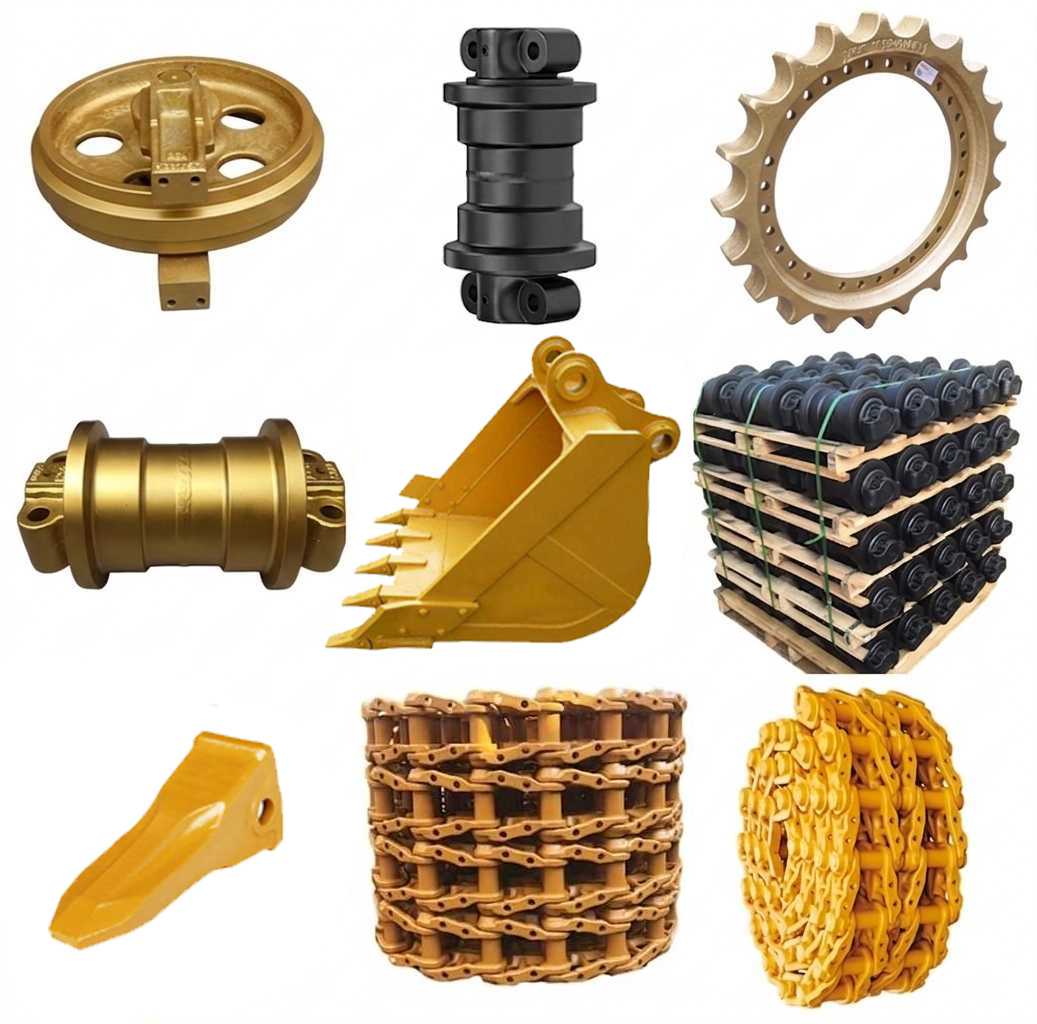
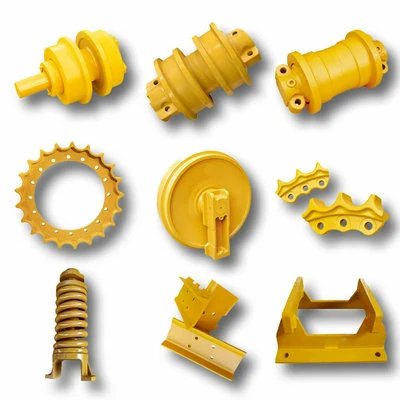
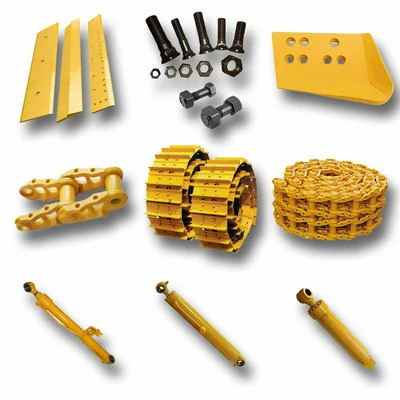
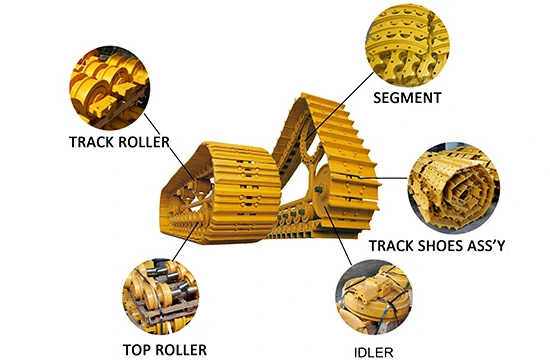
If there’s a quality issue with my undercarriage parts for excavators, will I get a refund, replacement, or repair?

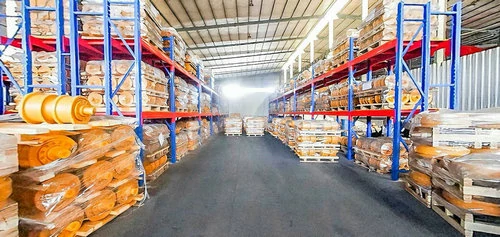
  Forklift operator moving wooden pallets in spacious warehouse with boxed inventory

A new batch of rollers just failed on-site. Your customer is angry, the machine is down, and you're stuck with defective parts. What solution can you expect from your supplier?

As an industry veteran, I’ve learned that the answer is almost always repair or replacement, as long as the part is under warranty. A refund is much less common. The specific remedy you get depends entirely on the supplier's warranty policy and what you negotiated in your contract.

This situation is stressful. It involves more than just the part; it involves contracts, shipping costs, and even labor. Let's break down the common questions I hear from buyers like you.


Should our contract specify which remedy will be provided?

You sign a contract assuming you're covered. But when a part fails, the supplier points to vague warranty language. You must demand clarity before you sign.

Yes, absolutely. I learned this the hard way. A clear contract is your best protection. I once had a supplier who only wanted to repair a cracked part. I had to show them the specific contract clause we negotiated that mandated replacement for severe defects.

Tracked loader and conveyor chain in plant; engineer reviews operations on laptop

A contract is not just a piece of paper; it is your main tool in a dispute. Many buyers focus only on price and delivery time. But I look at the warranty and after-sales clauses 1 first. If those are weak, a low price means nothing.

Why Vague Language Hurts You

Suppliers, especially smaller ones, might use vague terms. They might say they "stand by their product" or offer a "standard warranty." This is not good enough. What does "standard" mean? It means they decide what to do. You need specific terms.

I always insist on defining the key terms 2. What counts as a "defect"? Is it cosmetic, or does it have to affect performance? What is the exact warranty period for each part? The process for making a claim must be clear. Do I email, or do I use a special online form?

Key Clauses to Include in Your Warranty Agreement

When I review a supply contract 3, I look for these specific points. I recommend you do the same. If they are missing, ask the supplier to add them. A good supplier will not be afraid to do this.

Here is a checklist of what to look for:

  • Definition of Defect: Clearly states what is covered (e.g., material flaws 4, workmanship) and what is not (e.g., normal wear, improper installation).
  • Remedy Options: Lists the specific solutions (repair, replacement, credit) and who chooses.
  • Claim Process: A step-by-step guide on how to file a claim.
  • Verification: How the supplier will confirm the defect. Will they accept photos and videos, or must the part be returned?
  • Timelines: How long for them to respond? How long to ship a replacement?

Here is a simple table comparing a weak vs. a strong warranty clause.

Feature Weak Warranty Clause (Avoid) Strong Warranty Clause (Demand)
Remedy "We will fix any issues." "Supplier will, at its discretion, repair or replace the defective part."
Claim "Contact sales for problems." "Buyer must submit a claim via email with photos within 14 days of discovery."
Coverage "12-month warranty." "12-month/2000-hour warranty (whichever comes first) against defects in material and workmanship."

If your supplier refuses to define these terms, it is a bad sign. It tells me they plan to make it difficult if a problem happens. A confident manufacturer 5, like my company, is happy to put our promises in writing.


If they send a replacement part, is it shipped free of charge?

Your supplier agrees to send a new part. Then you get a huge shipping bill for freight, duties, and taxes. This must also be defined in your contract.

This is a critical point for international buyers 6 like us. In my experience, most good suppliers will cover the shipping for the new part. But they often expect you to pay the cost of shipping the defective part back to them. This can be very expensive.

Engineer drafting compliance documents beside laptop and machine gears on wooden desk

Shipping heavy undercarriage parts across the world is not cheap. A single track roller can be heavy, and a full set of track chains weighs tons. The logistics costs 7 can sometimes be more than the part itself.

Who Pays for What?

This is a major point of negotiation. When a part fails, there are three potential shipping legs to consider:

1.  Shipping the New Part (Outbound): From the supplier to you.
2.  Shipping the Old Part (Return): From you back to the supplier for inspection.
3.  Taxes and Duties: Import/export fees for both shipments.

As a purchasing director 8, you must get this clarified in your contract. Do not assume "Free Replacement" includes shipping.

My Experience as a Buyer

I once had a situation with a supplier where they agreed to replace a faulty idler. But they wanted me to pay the air freight to return the old one from the US to Asia. The freight cost was almost 70% of the idler's price! It made no sense. We argued for a week.

Now, I make sure the contract specifies this. I often negotiate a "DDP" (Delivered Duty Paid) term for warranty replacements. This means the supplier covers all costs to get the new part to my warehouse. For the return, we often agree that I will hold the defective part for 30 days. If they want it back, they must arrange and pay for the shipping. Often, they just ask me to send photos and then scrap the part.

Example Shipping Term Negotiation

Shipping Leg Supplier's First Offer (Bad) My Negotiated Term (Good)
New Part (To Buyer) EXW (Ex Works) - I pay all shipping. DDP (Delivered Duty Paid) - Supplier pays all shipping and duties.
Defective Part (Return) Buyer pays return freight (DAP). Supplier pays return freight if they request the part back.
Verification Must return part before replacement. Replacement shipped after photo/video evidence is accepted.

For buyers in North America or Europe sourcing from Asia, this is vital. The logistics costs are your biggest risk in a warranty claim. A supplier who understands international trade 9 will have a clear policy for this.


Under what circumstances would a full refund be appropriate?

You have a warehouse full of bad parts. The supplier wants to replace them one by one, but you've lost all trust. Sometimes, a refund is the only real solution.

Honestly, full cash refunds are rare. I’ve only seen them happen in extreme cases. For example, I had a drive wheel that broke completely, making it useless and dangerous. The supplier couldn't fix it, so they gave me a refund. It's usually a last resort.

Automotive alloy wheel inspection in dim workshop with dramatic lighting

In the B2B world, especially with custom-manufactured parts, a cash refund is not the first option. The supplier has spent money on raw materials, labor, and shipping. They will almost always try to fix the problem with parts, not money.

A supplier usually prefers to issue a replacement or a credit note. A credit note is a promise that you can use against a future purchase. This keeps the cash in their business and keeps you as a customer.

However, there are situations where a full refund is the only fair outcome.

When to Push for a Refund

You have a strong case for a refund under these conditions:

  • Total Failure: The part failed catastrophically and is not repairable. My example of the broken drive wheel is perfect. You cannot repair a wheel that has split in two.
  • Systemic Quality Issue: The supplier didn't just send one bad part. They sent an entire batch of bad parts. If 30% of your track rollers fail in the first month, this is a systemic failure 10. You have lost trust in their entire quality control (QC) process. Accepting replacements is risky; you might just get more bad parts.
  • Breach of Contract: The parts delivered are not what you ordered. For example, you ordered 45-link chains, and they sent 44-link chains. This is a simple failure to deliver the correct product.
  • Failure to Remedy: The supplier already tried to repair or replace the part, and the new part also failed. At this point, they have proven they cannot solve the problem.

Refund vs. Credit Note

Be clear about what "refund" means.

  • Full Refund: Cash back to your bank account. This is the hardest to get.
  • Credit Note: A credit is applied to your account with the supplier. This is much more common.

I had a case where a large supplier found a material defect. They immediately offered me a choice: a full credit note for the value of the parts, or a new replacement batch. Because they were honest and fast, I took the replacement batch. My trust was rebuilt.

With a small, unknown supplier who dodged my calls, I would demand a cash refund. I know I will never order from them again.


How are any labor costs I incur for replacing the defective part handled?

The supplier sends a new part. But you must pay your mechanics for hours of work to remove the old part and install the new one. Who pays for this?

In my 20 years of experience, this is the most difficult cost to get back. Almost all standard warranties only cover the part itself. They do not cover what we call "consequential damages," like machine downtime or the labor costs to fix their mistake.

Railway construction crew securing track fasteners near crawler excavator at sunset

This is a major pain point for buyers. A purchasing director for a distributor knows that his customers (the end-users) will be angry about downtime. The end-user has to pay a mechanic to do the replacement. This cost gets passed up the chain.

Why Labor is Almost Never Covered

Suppliers exclude labor costs for several reasons:

1.  High Variability: Labor rates are different all over the world. A mechanic in the US costs much more than a mechanic in Southeast Asia.
2.  Lack of Control: The supplier cannot control how efficient your mechanic is. Did the job take 2 hours, or did it take 8 hours?
3.  Risk: The potential cost is unknown and unlimited. A supplier can budget for replacing 1% of their parts. They cannot budget for unlimited global mechanic fees.

This is why most warranty policies will have a sentence like this: "This warranty is limited to the replacement of the part and does not cover labor, downtime, or other consequential damages."

Can You Negotiate for Labor Costs?

It is very difficult, but not impossible.

You cannot get this coverage as a small, one-time buyer.

However, if you are a very large OEM customer or a massive aftermarket distributor buying millions of dollars in parts each year, you have leverage.

You can sometimes negotiate a "labor allowance." This is not a blank check. It is a fixed, pre-agreed amount of money or "shop hours" credited for a specific warranty repair.

Here is how this might look in a high-level supply agreement.

Buyer Type Standard Warranty (99% of cases) Tier 1 Partner Warranty (Very Rare)
Parts Repair or Replacement (Supplier's choice) Replacement (Buyer's choice)
Shipping Buyer pays return freight. Supplier pays all freight (DDP).
Labor Not Covered Covered (Up to a pre-agreed credit, e.g., "$150 labor allowance per claim").

For most of us, we must accept that labor costs are a risk we take. This is why it is so important to buy from a quality supplier in the first place. The small amount you save on a cheap part is lost instantly on the first labor-intensive repair.

Conclusion

Ultimately, repair and replacement are the standard answers. A refund is rare. Your best tool is a strong contract that defines the warranty period, who pays for shipping, and how to make a claim.


Footnotes  

1. Essential guidance on crafting robust warranty and after-sales clauses for your contracts. ↩︎  
2. Guide to legally defining "defect," "performance," and other terms in a commercial context. ↩︎  
3. Checklist for reviewing and strengthening a supply contract before final signature. ↩︎  
4. Technical resource explaining common flaws and defects in component materials. ↩︎  
5. Characteristics of a reliable and confident manufacturing partner in the B2B sector. ↩︎  
6. A guide for businesses purchasing heavy machinery parts from overseas suppliers. ↩︎  
7. Understanding the unique logistics challenges and costs of shipping heavy industrial parts. ↩︎  
8. Detailed breakdown of the strategic responsibilities of a purchasing director. ↩︎  
9. Overview of Incoterms like DDP and how they allocate risk and cost in global trade. ↩︎  
10. In-depth analysis of what causes systemic quality failure across an entire batch of manufactured goods. ↩︎

Free Quote & Information Request

Leave your inquiry, we will provide you with quality products and services!

Excavator & Bulldozer Undercarriage Parts Expert - Quality Track Roller, Carrier Roller, Sprocket Wheel
Privacy Overview

This website uses cookies so that we can provide you with the best user experience possible. Cookie information is stored in your browser and performs functions such as recognising you when you return to our website and helping our team to understand which sections of the website you find most interesting and useful.