What is the standard warranty period for undercarriage parts for excavators from Chinese suppliers?

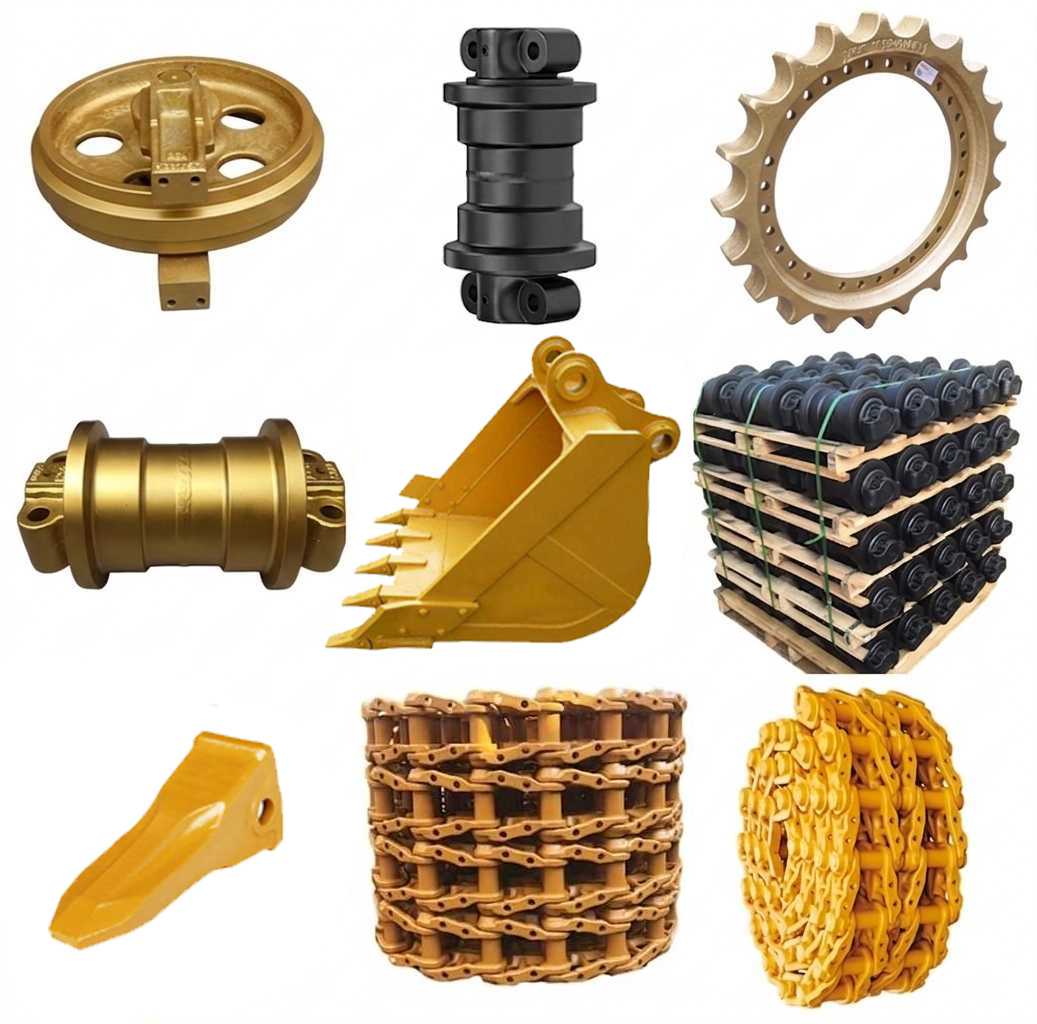
  Construction industry infographic with equipment details.

Confused by excavator part warranties from China? You worry that a failed part will mean huge costs. I'm here to explain the standards I’ve seen 1 in my 20 years.

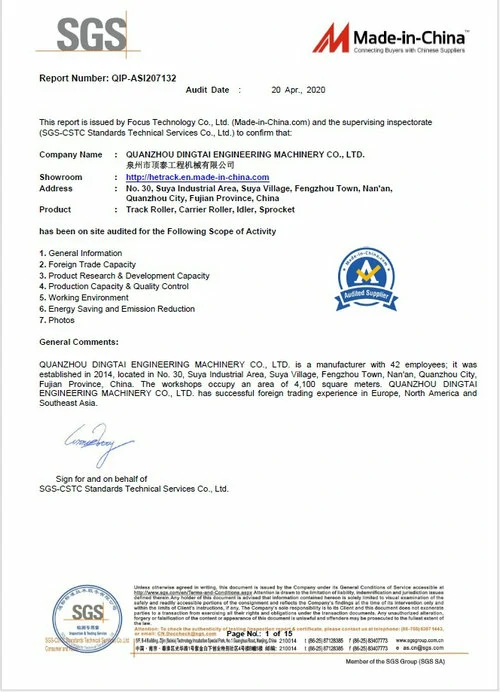
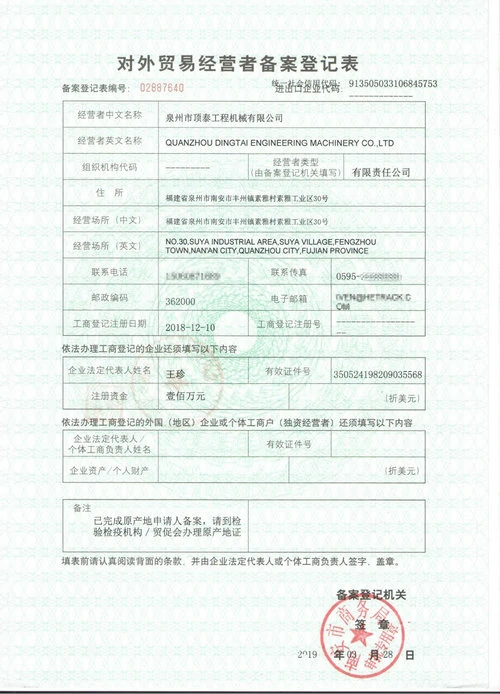
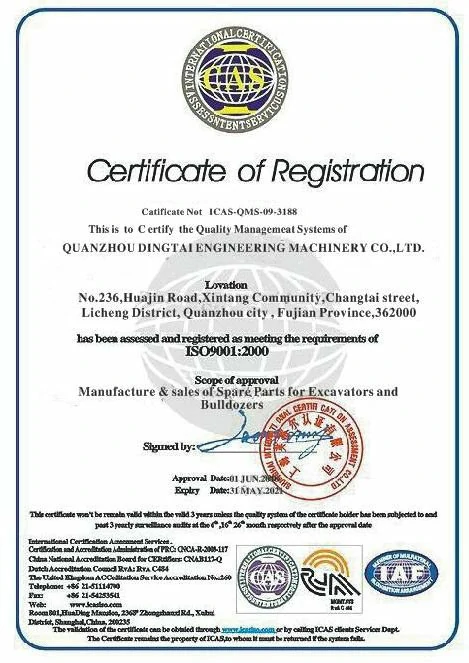
As a Chinese manufacturer (Dingtai), I see many warranties. There isn't one "standard." I see most reputable suppliers, like my own company, offering 12 to 24 months, or 2000 hours. However, many smaller factories might only offer 6 months, which is a risk for buyers.

The "standard" warranty is complex. I've seen it depend on the part, the supplier, and even your order size. Understanding the details is key to protecting your investment 2. I want to break down the common questions I hear from buyers just like you.


How many months or operating hours can I typically expect the warranty to cover?

You need a clear warranty timeline for your business. Vague answers are risky. I’ve seen buyers get surprised by short terms, like 3 or 6 months, when they expected a full year.

In my experience manufacturing parts at Dingtai, I see reputable factories offer 12-24 months or 2000-4000 operating hours. My company offers this. But I see many trading companies or small workshops only promising 6 months, or even less, especially for smaller orders.

Flowchart highlighting key features and benefits.

The warranty period is often the first thing I see buyers look at. But in my experience, "12 months" doesn't tell the whole story. I see most professional manufacturers 3, especially those I work with in the OEM market, use a dual system: time or operating hours.

Why Hours Matter More Than Months

For heavy equipment, I believe hours are a better measure of wear than calendar time. A machine might sit idle for months, or it might run 24/7 in a quarry. A warranty based only on months is not accurate. This is why you will see terms like "2000 hours or 12 months, whichever comes first."

As a buyer, you must track this. When my company (Dingtai) processes a claim, the machine's hour meter reading is essential.

How Work Application Affects Warranty

I also need to point out that the work application matters 4. Severe applications, like 24/7 mining in hard rock or demolition work, put extreme stress on parts. This is very different from light-duty excavation in soft soil.

I have seen some suppliers add clauses excluding these severe applications from the standard warranty. This is another area (like "man-made damage") that I insist must be clear in our contracts. If you are a buyer running a rental fleet, you must ask the manufacturer if the warranty is valid for rental use, as this is often considered "severe duty."

Typical Warranty Tiers I See

The warranty length often shows a supplier's confidence in their quality. Based on my 20 years in this business, I see the market divided into tiers.

  • Tier 1 (OEM & Premium Aftermarket): These are manufacturers like us (Dingtai). We use high-quality raw materials 5 (like 40MnB steel) and strict heat treatment. We easily offer 12-24 months or 2000-4000 hours.
  • Tier 2 (Standard Aftermarket): I find these suppliers offer 6-12 months or 1000-1500 hours. This is common.
  • Tier 3 (Low-Cost / Trading): I tell my clients to be careful here. Warranties might be 3-6 months, or "on shipment" only. The risk is high.

Here is a simple breakdown of what I typically see:

Supplier Type Typical Time Warranty Typical Hours Warranty My Confidence Level
Premium Manufacturer (e.g., Dingtai) 12 - 24 Months 2000 - 4000 Hours High
Standard Aftermarket Supplier 6 - 12 Months 1000 - 1500 Hours Medium
Low-Cost Trader / Small Workshop 3 - 6 Months 500 - 1000 Hours Low

Does the warranty start from the date of shipment or the date of installation?

When does the clock start? If it starts at shipment, you lose time during sea freight. I’ve seen buyers lose 60 days of warranty coverage just in transit.

This is a critical detail I always clarify with my clients. Most Chinese suppliers, by default, start the warranty from the Bill of Lading (B/L) date. My company (Dingtai) and other quality-focused partners are willing to start it from the installation date, if you provide proof.

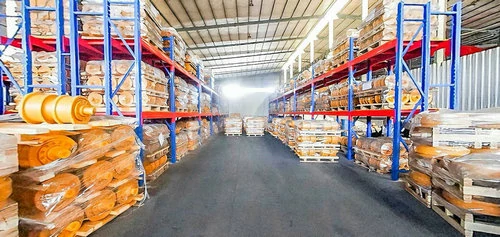
Large gear and bulldozer in warehouse.
This question is a common pain point I hear. For my US-based distributors, ocean shipping can take 30-60 days. If the warranty starts on the B/L date (shipping date), I know you have already lost 1-2 months of coverage before the part even arrives. If that part then sits in your warehouse for 3 months, your 6-month warranty might be nearly expired when your customer installs it.

The Default: Bill of Lading (B/L) Date

Why do I see most suppliers use the B/L date? It's simple and easy to prove. The shipping document has a clear, fixed date. No one can argue about it. For the manufacturer, this limits their liability period.

The Problem for Distributors

This creates a major problem for distributors. I see you buy in bulk and store parts in a warehouse. The "Date of Installation" might be 6 or 9 months after the B/L date.

Let's look at the "Warranty Waste" for a 12-month warranty:

  • B/L Date: Jan 1
  • Parts Arrive (USA): Feb 15 (45 days lost)
  • Parts Sold (Warehouse): May 1 (120 days lost)
  • Parts Installed (End User): May 15
  • Warranty Expires: Dec 31

In this case, I see the end-user only gets 7.5 months of "actual" warranty, not 12. This creates tension between you and your customer.

Using Part Serial Numbers for Tracking

This is why I believe working with a professional manufacturer is important 6. Our (Dingtai's) rollers, idlers, and track chains all have unique serial numbers 7 etched or stamped onto them. When you report a failure, this serial number allows us to check our production records, quality control reports, and the original ship date. This proves the part is ours. It protects you from "gray market" parts and makes the claim simple. If a supplier does not serialize their parts, I see this as a red flag. It means they cannot track quality batches, and they may deny your claim by saying the part isn't theirs.

How to Negotiate a Better Start Date

As a manufacturer, I understand this problem. This is where partnership is key.

I (Dingtai) offer a solution: We start the warranty from the B/L date by default, BUT we allow it to start from the "Date of Installation" or "Date of Sale to End User" if the distributor provides clear documentation.

This requires you, the buyer, to have a good tracking system. I would need you to provide us:
1.  The original Purchase Order (showing it came from us).
2.  A copy of the end-user's sales invoice.
3.  A photo of the machine's hour meter at installation.

A good supplier will work with you on this. A supplier who refuses is, in my opinion, only thinking about themselves, not a long-term partnership.


Is the warranty different for different parts, like track chains versus rollers?

Do all undercarriage parts have the same warranty? Assuming they do is a big mistake. I’ve seen this mistake lead to denied claims on high-wear items.

Yes, absolutely. As a manufacturer, I can tell you that parts have different stress levels. I typically see suppliers (including my company) offer a full warranty (e.g., 12 months) on major items like rollers and idlers, but a shorter warranty on high-wear parts like track shoes or bolts.

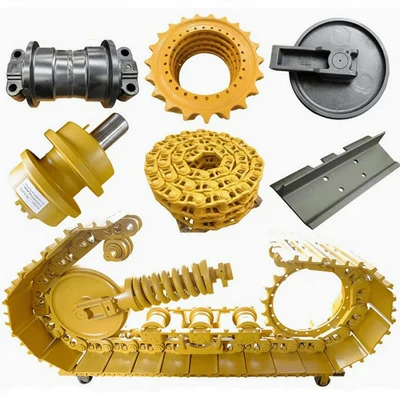
Close-up of heavy machinery track system.

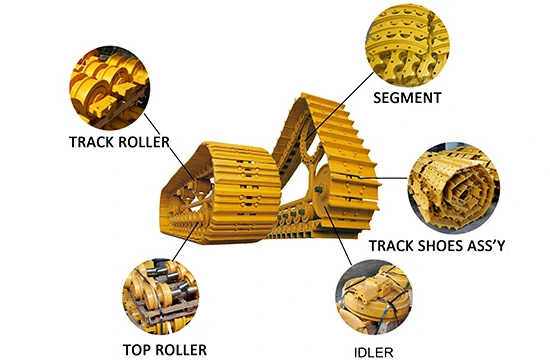
This is a technical point 8 I see many buyers miss. In my factory, we know an undercarriage system works together, but the parts do not wear out at the same rate. A good supplier knows this and structures their warranty accordingly.

Why All Parts Are Not Equal

A track roller (支重轮) and a track shoe (履带板) do very different jobs. The roller is a sealed unit with internal bearings. In my experience, its failure is usually due to a defect in sealing or heat treatment. A track shoe is designed to be scraped against rock and dirt. It is designed to wear out.

I cannot offer the same 12-month warranty on a track shoe that I offer on a track roller. This is why you might see a contract that offers 12 months for rollers but only 6 months for track shoes.

Structural vs. Wear Parts

We (Dingtai) divide parts into two groups for warranty:
1.  Structural Components: These parts should not fail unless there is a manufacturing defect. They have a long warranty.
2.  Wear Components: These parts are expected to wear down and be replaced. They have a short warranty, or sometimes no warranty, against wear.

Here is a typical warranty breakdown I use:

Component Category Example Parts Typical Warranty Coverage
Structural Parts Track Rollers, Carrier Rollers, Idlers, Sprockets, Track Chain (Link) 12-24 Months (Covers defects, leaks, breakage)
Wear Parts Track Shoes (Pads), Track Bolts & Nuts 3-6 Months (Covers breakage, not standard wear)
Consumables (G.E.T.) Bucket Teeth, Cutting Edges 0-3 Months (Often "Warranty against defect on arrival" only)

The Exception: G.E.T. (Ground Engaging Tools)

This category includes bucket teeth and cutting edges 9. I consider these parts "consumables." They are meant to be used up and thrown away. Most suppliers, including us, will only warranty them against "defects in material and workmanship" found before or at installation. Once a bucket tooth is used in the ground, it is almost impossible for me to prove if a failure was a defect or due to hitting a large rock.

What Does "Improper Use" Mean?

This is a major pain point I hear about. As a manufacturer, "improper use" 10 (or man-made damage) means things the part was not designed for. For example:

  • Improper Installation: I have seen a track roller fail because it was installed with a loose bolt. This is an installation error, not a manufacturing defect.
  • Poor Maintenance: Running tracks too tight is a common operator error I see. It puts massive stress on idlers, sprockets, and chains, causing them to fail early. This is a maintenance error.
  • Wrong Application: Using a standard excavator bucket in a demolition (hammer) application.

A good partner understands this. As a good supplier, I make it my job to help train your technicians on how to avoid these failures.


Can I negotiate for a longer warranty period based on my order volume?

You buy several containers a year. You have buying power. Can you use this power to get a better warranty? I see this negotiation happen all the time.

Yes, but with limits. As a manufacturer, I am more willing to negotiate with a long-term, high-volume partner. If you are a strategic partner, I can offer an extended 24-month warranty because we have a trusted relationship and good communication.

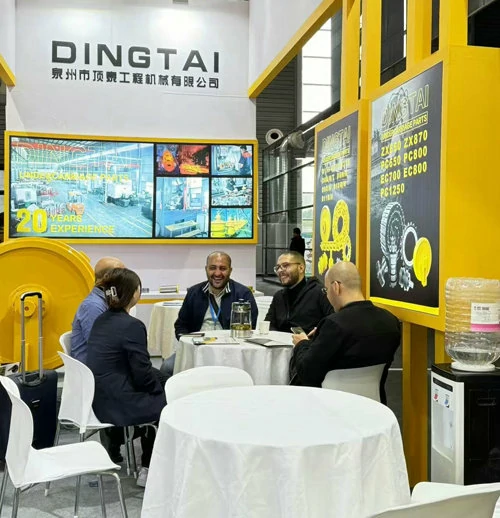
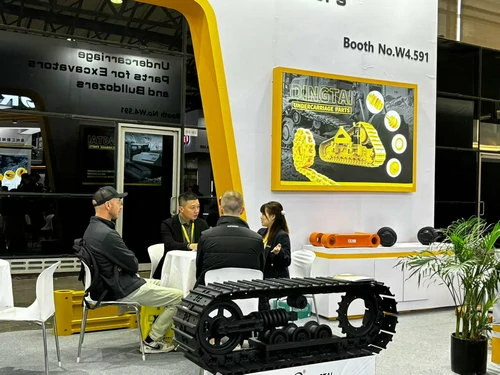
Blurred business meeting in waterfront office.

For my large-volume partners, I find everything is negotiable. But I advise my smart buyers to negotiate more than just the length of the warranty.

What Volume Actually Negotiates

Why would I offer a longer warranty for a bigger customer?
1.  Trust: A long-term partner has proven they maintain machines correctly. I trust their technical feedback.
2.  Shared Risk: The large volume means my profit margin can absorb a slightly higher claim risk.
3.  Efficiency: It is more efficient for me to handle one claim for a partner who buys 10 containers than 10 claims from 10 small buyers.

However, no manufacturer can extend the warranty too long. The engineering limits are real. I cannot offer a 5-year warranty on a 2-year-design part.

Negotiating More Than Just Months

As an experienced buyer, you should focus your negotiation on the terms of the warranty, not just the length. This solves the major pain points I hear about.

  • Repair vs. Replace: I recommend you negotiate a "replace on failure" clause for critical parts. Get it in writing that you (the distributor) are authorized to send a new part from your stock to the customer immediately, and we (the manufacturer) will credit you or replace that stock. This saves the customer weeks.
  • Shipping Costs: Negotiate that the manufacturer (like me) pays for shipping both ways if a part fails due to a defect.
  • Vague Definitions: Negotiate clear definitions for "improper use." Get this written down.

Streamlining the Claim Process

A good Service Level Agreement (SLA) defines the process of a claim. I know a slow, complex process is a major pain point. Your negotiated SLA should state:
1.  Required Information: What photos/videos are needed? (e.g., Photo of the failed part, photo of the serial number, photo of the machine hour meter).
2.  Response Time: I promise my partners a response to the claim within 48 hours.
3.  Resolution Time: I promise to approve or deny the claim within 5 business days.

This stops the pain of waiting weeks for an answer. I believe this clarity is more valuable than an extra 6 months of warranty. As a manufacturer, I (Dingtai) welcome this clarity. It makes the process smooth for both of us.

Here is a summary of what I see as standard vs. what I negotiate with partners:

Negotiation Point Standard Term (Low Volume) Negotiated Term (High Volume Partner)
Length 12 Months 18-24 Months
Start Date B/L Date Date of Installation (with proof)
Remedy Repair or Replace (Supplier's choice) Immediate Replacement (from distributor stock)
Claim Shipping Buyer pays to ship failed part back Supplier pays for all claim-related shipping
Agreement Standard terms on Proforma Invoice Separate, signed Service Level Agreement (SLA)

Conclusion

In short, a "standard" warranty doesn't exist. I tell buyers to look for a strong manufacturing partner 11, not just a supplier. We (Dingtai) offer clear 12-24 month terms, in writing, to protect your business.


Footnotes

1. Research the prevailing warranty practices in the Chinese heavy equipment parts industry. ↩︎
2. Guide to defining warranty scope and terms in international purchasing contracts. ↩︎
3. Learn how to vet Chinese manufacturers versus trading companies for quality assurance. ↩︎
4. Analysis of how different machine applications (mining, quarry, etc.) affect component wear life. ↩︎
5. Deep dive into the material science (e.g., 40MnB steel) required for premium undercarriage parts. ↩︎
6. Benefits of working directly with an Original Equipment Manufacturer (OEM) for better terms. ↩︎
7. Importance of part serialization for traceability and efficient warranty claim processing. ↩︎
8. Technical guide to understanding stress and failure modes in track rollers and chains. ↩︎
9. Detailed information on the different warranty expectations for Ground Engaging Tools (G.E.T.) versus undercarriage. ↩︎
10. Case studies showing common operator errors that suppliers classify as "improper use." ↩︎
11. Strategies for building long-term, high-volume partnerships with international suppliers. ↩︎

Free Quote & Information Request

Leave your inquiry, we will provide you with quality products and services!

Excavator & Bulldozer Undercarriage Parts Expert - Quality Track Roller, Carrier Roller, Sprocket Wheel
Privacy Overview

This website uses cookies so that we can provide you with the best user experience possible. Cookie information is stored in your browser and performs functions such as recognising you when you return to our website and helping our team to understand which sections of the website you find most interesting and useful.