Are you worried about sudden, high tariffs on your excavator parts? These extra costs can destroy your profits. I'll show you how to check for them.
As a purchasing director, I've learned the hard way. You must first find your product's 10-digit HTS code. Then, you must check the official USTR website for Section 301 lists and the Department of Commerce website for anti-dumping cases. This is the only way to be sure.
This process seems hard, but it is not. You just need to know where to look. These duties can change, so you must stay informed. Let's break down the exact steps you need to take to protect your business.
Where can I find the official list of products affected by the Section 301 tariffs on Chinese goods 1?
Do you feel lost looking for the right government website? It is easy to get confused by all the official links. I will give you the direct link.
I always go directly to the source. The Office of the United States Trade Representative, or USTR, keeps the official lists. You need to search their "Section 301" investigation pages. They list every HTS code that has these extra tariffs.
The USTR is the agency responsible for these specific tariffs. They are not the same as standard duties. Section 301 tariffs are an extra tax. They were placed on many products from China.
What is the USTR Website?
The USTR website is the official government source for all U.S. trade policy. This is where new tariffs are announced. It is also where you find the lists of products that are affected. The website address is ustr.gov. You should look for the section on "Section 301 Investigations." This is where you will find the most current information. It is important to only use this official source. Other websites might have old or wrong information. The Office of the United States Trade Representative 2 is the lead agency for these matters.
How to Search the USTR Website
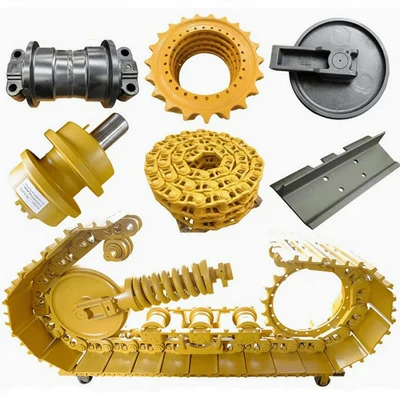
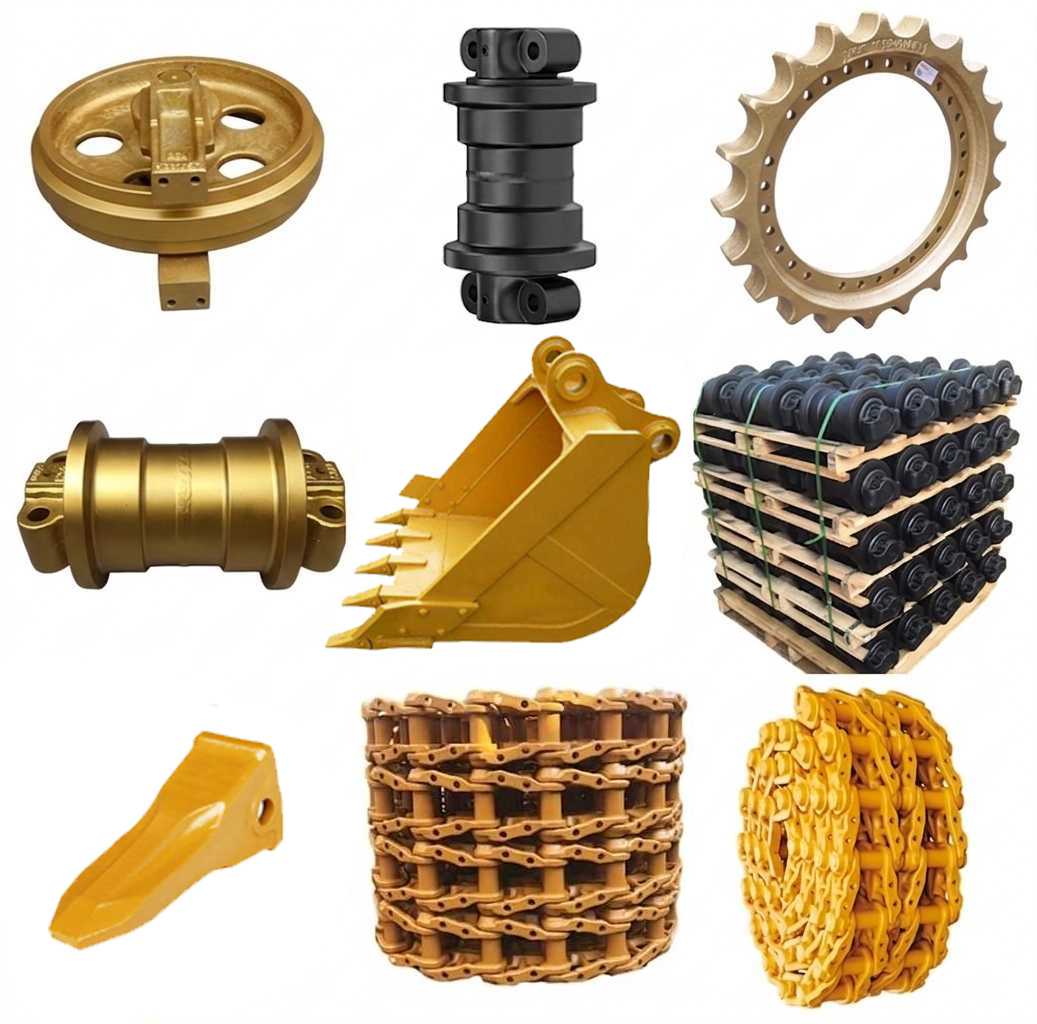
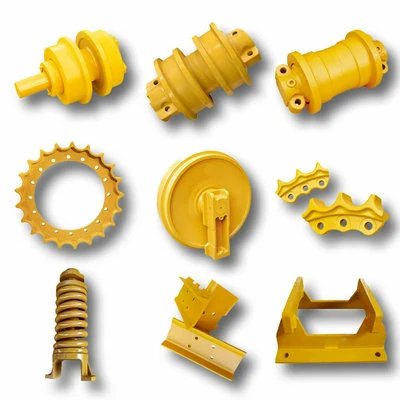
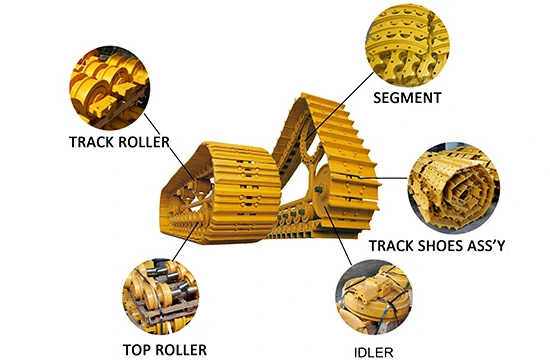
When you go to the USTR website, you will find several lists. These lists are often called "List 1," "List 2," "List 3," and "List 4A." You need to check all of them. The easiest way is to use your product's HTS code. The HTS code is the "Harmonized Tariff Schedule" code 3. It is a 10-digit number for your specific product. For many of our excavator undercarriage parts 4, the HTS code starts with 8431.49.
You can use your browser's "find" function (Ctrl+F or Cmd+F) to search for your HTS code on each list. If your code is on one of these lists, it is subject to the Section 301 tariff. This tariff is usually 25%.
Understanding the Tariff Lists
The lists can be confusing. They contain thousands of HTS codes. It is important to be very precise. Here is a simple table to help you understand what you are looking at:
| List Name | Typical Tariff Rate | Common Products Included |
|---|---|---|
| List 1 | 25% | Industrial machinery, electronics |
| List 2 | 25% | Semiconductors, plastics, chemicals |
| List 3 | 25% | Many parts, including machinery parts |
| List 4A | 7.5% | Some consumer goods, apparel |
For excavator parts like track rollers or sprockets, you will most likely find them on List 3. You must check carefully. A small mistake in the HTS code can give you the wrong answer.
What About Exclusions?
For a while, the USTR offered "exclusions" for some products 5. This meant that even if your HTS code was on the list, you could apply to not pay the tariff. Many of these exclusions have expired. You must check the USTR website for the latest news on exclusions. Do not assume an old exclusion is still active. This is a common mistake I have seen importers make. It can be a very expensive error. Always verify the current status of any exclusion.
How can I check if there are any active anti-dumping (AD) or countervailing duty (CVD) cases on my products?
Are you worried about "dumping" duties? These are separate from Section 301. They can be even higher. Finding them is a different process.
For AD/CVD cases, I check two different websites. The Department of Commerce (DOC) investigates these cases. The International Trade Commission (ITC) also plays a role. You must check the DOC's "ACCESS" database for active cases on your HTS code.
AD/CVD duties are complex. They are not a flat tax like Section 301. They are specific to certain products from certain countries and even certain manufacturers.
What is AD/CVD?
Anti-Dumping (AD) duties 6 are applied when a foreign company "dumps" products in the U.S. This means they sell them at a price that is below their normal cost in their home market. Countervailing Duties (CVD) 7 are applied when a foreign government provides subsidies to their companies. This gives those companies an unfair advantage.
If a U.S. company complains, the DOC and International Trade Commission (ITC) 8 will investigate. If they find that dumping or subsidies are happening and are hurting U.S. industry, they will impose these extra duties. These duties can be very high, sometimes over 200%.
Using the DOC's ACCESS System
The best place to check for these cases is the Department of Commerce's DOC's public database 9. It is called ACCESS (Antidumping and Countervailing Duty Centralized Electronic Service System). You can search this system by HTS code or by product description.
When you search, you will see a list of "cases." You need to look for cases that match your product and the country of origin (like China). For example, there have been AD/CVD cases on certain steel products that are used to make undercarriage parts. You must read the "scope" of the case. The scope is a detailed description of the product. If your product fits the scope, the duties apply.
Key Differences: AD/CVD vs. Section 301
It is very important to understand that these tariffs are separate. You could have to pay both.
| Feature | Section 301 Tariffs | Anti-Dumping/Countervailing Duties (AD/CVD) |
|---|---|---|
| Reason | Trade policy (retaliation) | Unfair pricing (dumping) or government subsidies |
| Agency | USTR (U.S. Trade Representative) | DOC (Dept. of Commerce) & ITC (Int'l Trade Comm.) |
| How to Check | USTR website (Lists 1-4) | DOC "ACCESS" database |
| Rate | Usually a flat rate (e.g., 7.5% or 25%) | Varies by case, country, and manufacturer. Can be > 200%. |
| Applies to | All products on the list from a country | Only products that fit the specific "scope" of the case. |
Why You Must Check Both
I have seen people check only the Section 301 lists. They thought they were clear. Then, their shipment was hit with a huge AD/CVD duty. You must check both sources for every shipment. AD/CVD cases are always being updated. New investigations can start at any time. This is a key part of managing your supply chain risk.
Can my customs broker help me determine if these additional tariffs apply to my shipment?
Do you feel overwhelmed by these government websites? It is a lot of work to check these lists all the time. There is an easier way to get help.
Yes, absolutely. A good customs broker is your best partner in this. I rely on my broker every day. They have special software and expertise. They can classify your parts with the right HTS code and check all tariffs for you.
A customs broker does more than just file paperwork. They are licensed professionals who understand complex trade laws. For a business like mine, or a purchasing director like David, they are essential.
The Role of a Customs Broker
A licensed customs broker is authorized by U.S. Customs and Border Protection (CBP) to manage shipments. Their main job is to ensure your imports comply with all laws. This includes tariffs.
Their most important task is HTS classification. This is assigning the correct 10-digit HTS code to your product. This code determines everything: the base duty rate, Section 301 tariffs, and any AD/CVD. Getting this code wrong is a very costly mistake. An experienced broker who knows undercarriage parts will know how to classify a track shoe versus a top roller.
Why Your Broker is More Than Just a Filer
Many people think a broker just files the entry forms. A good broker is a consultant. They subscribe to expensive databases that update daily. When the USTR changes a list or the DOC adds a new AD/CVD case, your broker knows immediately.
They can provide you with a "duty-paid" estimate before you even place an order with a supplier like me. This lets you see the true cost. They can also check the "scope" of AD/CVD cases. These descriptions are often very technical and legal. A broker can read this language and tell you if your specific part is included.
How to Work Effectively With Your Broker
To get the most help, you must give your broker good information. I always provide my clients with a detailed commercial invoice. This invoice includes:
- A very clear description of each part (e.g., "Excavator Track Roller, for Komatsu PC200")
- The material (e.g., "40MnB Steel")
- The HTS code I believe is correct (which they will verify)
- The total value and weight
The more details you give your broker, the more accurate their classification will be. Ask them to confirm the HTS code and all applicable duties in writing before your shipment leaves my factory.
What to Ask Your Broker
Do not be afraid to ask your broker specific questions. Here are some good ones:
- "What is the full 10-digit HTS code for this part?"
- "Can you please confirm if this HTS code is on any USTR Section 301 list?"
- "Can you please check the DOC database for any active AD/CVD cases on this product from China?"
- "Can you provide a full landed cost estimate, including all duties and tariffs?"
A good broker will be happy to answer these questions. It is their job. They are your best defense against surprise tariff bills.
How much can these extra tariffs add to my total landed cost 10?
Are you just guessing your final product cost? A 25% tariff can turn a profitable order into a big loss. You must calculate this correctly.
From my own experience, these tariffs can be shocking. A Section 301 tariff often adds a flat 25%. Anti-dumping duties can be even worse, sometimes over 100% or 200%. This is added to your product's value, and you must know it before you order.
Your "landed cost" is the true cost of your product. It is not just the price I (your supplier) charge you. It is the product price plus shipping, insurance, customs fees, and all duties and tariffs.
Calculating Your Landed Cost
To find your landed cost, you must add all these things together:
1. Product Cost: The price you pay the factory (the "FOB" price).
2. Freight: The cost of ocean or air shipping.
3. Insurance: Cost to insure the shipment.
4. Customs Fees: Broker fees and other CBP charges (like MPF and HMF).
5.s Duties & Tariffs: This includes the regular duty, plus any Section 301 and AD/CVD duties.
The tariffs are calculated on the "Customs Value" of your goods. This is usually the price you paid for the products.
Example Calculation: A Real-World Scenario
Let's imagine you buy a container of track rollers from me.
- Product Cost (FOB): $50,000
- Ocean Freight: $4,000
- Insurance: $250
- Customs Value: $50,000 (This is what duties are based on)
Now, let's look at the duties.
- Regular Duty: Let's say the HTS code
8431.49.9044has a regular duty of 0%. - Section 301 Tariff: This HTS code is on List 3. The tariff is 25%.
*$50,000 x 25% = $12,500 - AD/CVD Duty: Let's pretend there is also an AD duty of 50% on this part.
*$50,000 x 50% = $25,000
Your total tariffs are $12,500 + $25,000 = $37,500.
This is on top of your $50,000 product cost. Your $50,000 purchase now costs you at least $87,500 before it even gets to your warehouse. This is why you must know these numbers.
How Tariffs are Calculated (Table 3)
This table shows how the costs can add up.
| Cost Component | Calculation | Example Cost |
|---|---|---|
| 1. Product Value (Customs Value) | Price paid to factory | $50,000 |
| 2. Regular Duty Rate | (Varies by HTS code) | 0% |
| 3. Section 301 Tariff | Product Value x 25% (if on list) | $12,500 |
| 4. AD/CVD Tariff | Product Value x 50% (if in scope) | $25,000 |
| Total Duties & Tariffs | (Sum of 2, 3, 4) | $37,500 |
| Total Product Cost | (Sum of 1 and 5) | $87,500 |
The Hidden Costs of Tariffs
The costs do not stop there. These tariffs can also lead to more customs inspections. This can cause delays at the port. These delays mean you get your parts later. This can stop your customers' machines from working.
As a supplier, I try to be very clear with my partners about these risks. We work together to ensure all our paperwork is perfect. We provide all necessary technical sheets and certificates. This helps the customs broker classify the product correctly. It is the best way to avoid delays and unexpected costs. You must know your numbers before you import.
Conclusion
Checking tariffs is not optional. You must know your HTS code. You must check the USTR and DOC websites. Or, you must trust your customs broker to do it.
Footnotes
1. A comprehensive guide to understanding the Section 301 tariffs applied to goods from China. ↩︎
2. The official U.S. government agency page for the USTR, which negotiates trade agreements. ↩︎
3. The official USITC definition of the HTS, which sets U.S. tariff rates. ↩︎
4. A guide defining the essential components of an excavator's undercarriage, such as tracks and rollers. ↩︎
5. News on the extension of Section 301 tariff exclusions for certain products. ↩︎
6. A Congressional Research Service report explaining what anti-dumping duties are. ↩︎
7. An explanation of what countervailing duties are and why they are applied against subsidies. ↩︎
8. The official USITC page detailing its role in import injury (AD/CVD) investigations. ↩︎
9. The official login page for ACCESS, the DOC's AD/CVD case database. ↩︎
10. A guide from FedEx on how to calculate the total landed cost of imported goods. ↩︎