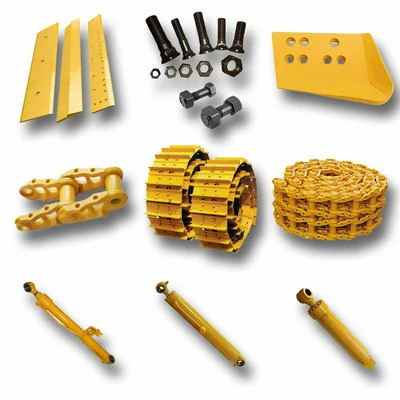
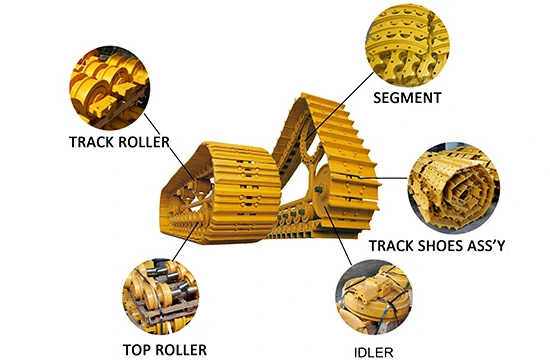
How can I estimate how many tons of undercarriage parts for excavators will fit in a 20ft or 40ft container?

Searching for suppliers online

  Illustrated container with measurement details

Estimating the capacity for undercarriage parts in containers 1 revolves around understanding the container's payload limits 2 and the parts' volume.

Accurate weight estimation leads to efficient container utilization, reducing potential costs and ensuring safe shipping.

What is the maximum payload weight for a 20' and a 40' container?

Understanding load limits.

A 20ft container typically supports a maximum payload of 28,000 kg, while a 40ft container ranges between 26,000 kg and 29,000 kg, depending on the construction.

Two shipping containers on pallets

Container weight limits

  • 20ft container: Up to 28,000 kg.
  • 40ft container: Between 26-29 tons.

Payload capacity

Container Type Max Payload (kg) Volume (cubic meters) 3
20ft 28,000 ~33
40ft 26,000–29,000 ~67

How does the volume and packaging of the parts affect the total weight I can load?

Balancing space with weight.

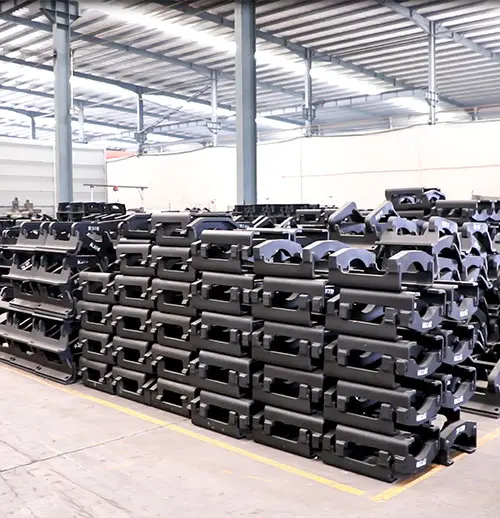
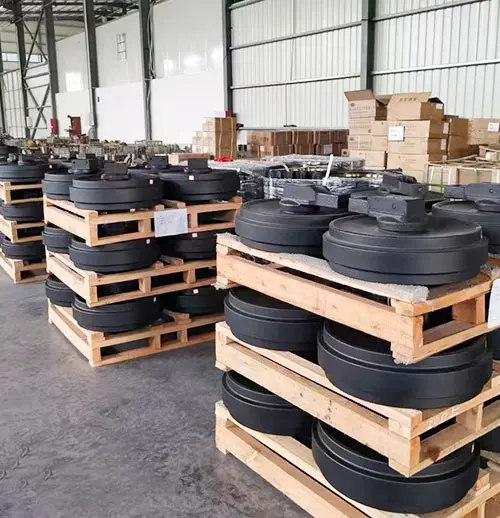
The volume and packaging play crucial roles in the overall load, with heavy packing materials adding weight and affecting how parts are arranged within the container.

Open storage container with stacked goods

Impact factors

Volume vs weight

Factor Impact on Load Container Efficiency
Part Size Volume Utilization Stacking Potential
Packaging Additional Weight Load Balance 5

Can my supplier provide an estimated packing list to help me calculate the total weight?

Utilizing supplier expertise.

Yes, suppliers can provide packing lists with estimated weights, aiding in precise calculations of how much can be loaded into a container based on part specifics.

Colleagues collaborating on logistics project

Supplier collaboration

Estimation tools

Tool Purpose Advantage
Packing List Weight Calculation 7 Improved Accuracy
Supplier Data Volume Analysis Load Efficiency

Why is maximizing the weight in a container important for reducing my per-unit shipping cost?

Cost efficiency in shipping.

Maximizing container load minimizes per-unit costs by spreading shipping expenses across more parts, leading to improved business margins and competitive pricing.

Inspector evaluating cold storage conditions

Cost benefits

Load maximization

Strategy Impact Cost Reduction
Full Container Cost Spread Lower Per Unit Cost
Economies of Scale Pricing Strategy Market Advantage

Conclusion

Calculating tons for container loading requires understanding payload capacities, part volumes, and packaging weights, leveraging supplier input for optimal load efficiency 10 and cost-saving.

Footnotes

1. Best practices for shipping heavy excavator undercarriage parts. ↩︎
2. Official specifications for 20ft and 40ft container payload limits. ↩︎
3. A guide to calculating CBM (cubic meters) for freight. ↩︎
4. Tips for improving stacking efficiency for heavy cargo. ↩︎
5. Learn why proper load balance is critical for safe shipping. ↩︎
6. How suppliers use weight and volume data for packing lists. ↩︎
7. Methods for accurate gross and net weight calculation. ↩︎
8. Explanation of economies of scale in international logistics. ↩︎
9. How shipping costs influence final market competitive pricing. ↩︎
10. A comprehensive guide to freight and container load optimization. ↩︎

Free Quote & Information Request

Leave your inquiry, we will provide you with quality products and services!

Excavator & Bulldozer Undercarriage Parts Expert - Quality Track Roller, Carrier Roller, Sprocket Wheel
Privacy Overview

This website uses cookies so that we can provide you with the best user experience possible. Cookie information is stored in your browser and performs functions such as recognising you when you return to our website and helping our team to understand which sections of the website you find most interesting and useful.