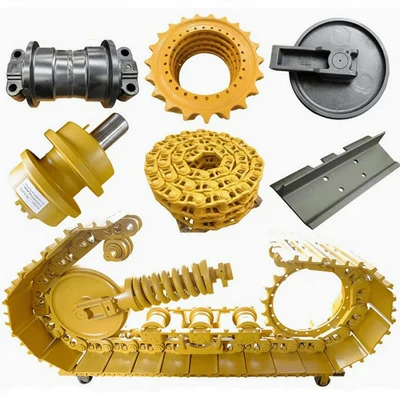

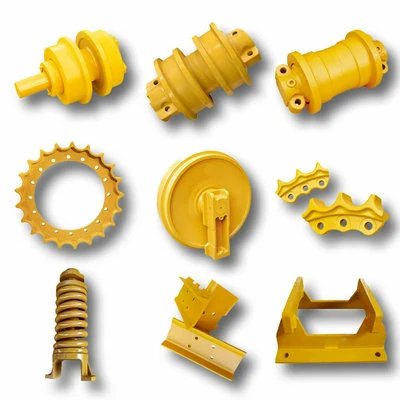
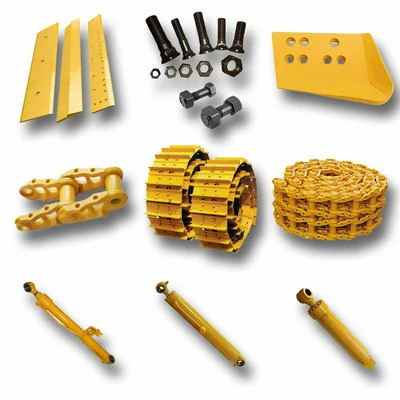
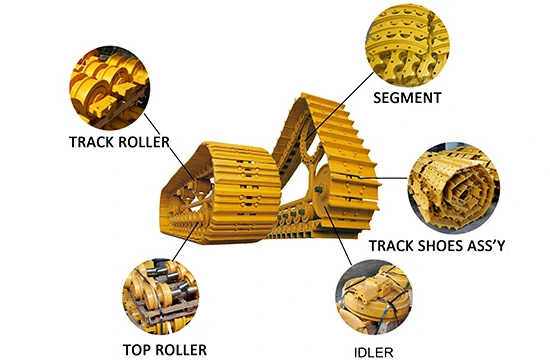
Strategic planning around the Chinese New Year is critical to avoiding operational delays 1 and ensuring a steady supply of excavator parts 2 during the holiday period.
Order planning should start months ahead of Chinese New Year, involving early order placement, advance stock preparation, and supplier coordination to mitigate delay risks.
When exactly is Chinese New Year, and how long do factories typically shut down for?
Chinese New Year dates 3 fluctuate based on the lunar calendar 4.
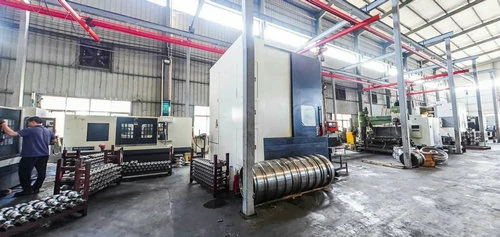
Chinese New Year usually falls between late January and early February, with factories potentially shut down for 3 to 4 weeks, encompassing the 7-day public holiday and extended break periods.
Operational shutdown insights
- Exact Holiday Dates: Fluctuate yearly; confirm annually.
- Factory Closure: Extend beyond public holidays, usually 3–4 weeks.
Closure duration
| Year | Holiday Start | Typical Shutdown |
|---|---|---|
| [Year] | February 1 | 3–4 Weeks |
| [Year] | January 25 | 3–4 Weeks |
How far in advance should I place my order to ensure it ships before the holiday?
Advance planning is pivotal.
Orders should ideally be placed by late November or early December to ensure production and shipment completion before the Chinese New Year halt.
Timing specifics
- Late November: Optimal order placement.
- Early December: Last reasonable order window.
Placement schedule
| Month | Order Timing | Risk |
|---|---|---|
| November | Ideal | Lowest Delay |
| December | Acceptable | Increased Risk |
Should I expect production and quality to be affected in the weeks leading up to and after the holiday?
Pre- and post-holiday production 5 may experience variations.
Expect potential quality fluctuations and productivity dips in the immediate lead-up and aftermath due to workforce transitions and production backlog recovery.
Quality and productivity dynamics
- Pre-Holiday Production: Resource pressure leading to fluctuations.
- Post-Holiday Transition: New staff and backlog adjustments impact quality.
Impact factors
| Period | Challenges | Outcome |
|---|---|---|
| Pre-Holiday | Pressure | Variability |
| Post-Holiday | Turnover | Quality Fluctuations |
How can I work with my supplier to build a safety stock to cover this period?
Cooperation and planning ensure inventory stability 6.
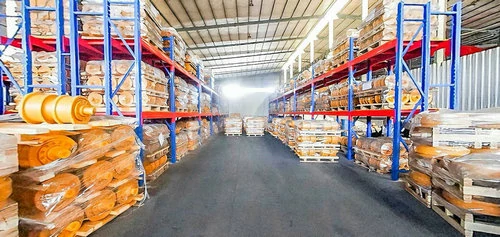
Partner with suppliers to establish safety stock by increasing Q4 orders, facilitating cash flow, and securing priority manufacturing arrangements before the New Year.
Stock strategy
- Q4 Stock Build: Increase orders as a buffer.
- Priority Manufacturing: Encourage with incentives (e.g., advance payment).
Stock building strategies
| Approach | Advantage | Implementation |
|---|---|---|
| Q4 Order Increase | Buffer | Strategic Placement |
| Incentivize Priority | Manufacturing Assurance | Prepayments |
Conclusion
Comprehensive planning for Chinese New Year involves strategic order placement 7, supplier coordination 8, and inventory management 9, ensuring uninterrupted operational efficiency despite holiday disruptions.
Proactive planning 10 ensures sustained supply operations and avoids the disruptions typically associated with Chinese New Year.
Footnotes
1. Learn strategies for mitigating common supply chain operational delays. ↩︎
2. Guide to securing a reliable supply of excavator parts. ↩︎
3. See the official calendar for upcoming Chinese New Year dates. ↩︎
4. Explanation of how the traditional lunar calendar works. ↩︎
5. Analysis of how holidays impact manufacturing quality and output. ↩︎
6. Best practices for maintaining supply chain inventory stability. ↩︎
7. Explore effective strategies for procurement and order placement. ↩︎
8. Tips for improving supplier coordination and relationship management. ↩︎
9. How to calculate and manage safety stock inventory effectively. ↩︎
10. Benefits of proactive planning for supply chain resilience. ↩︎