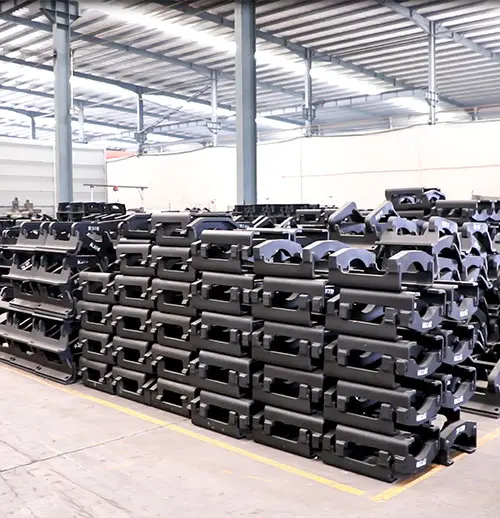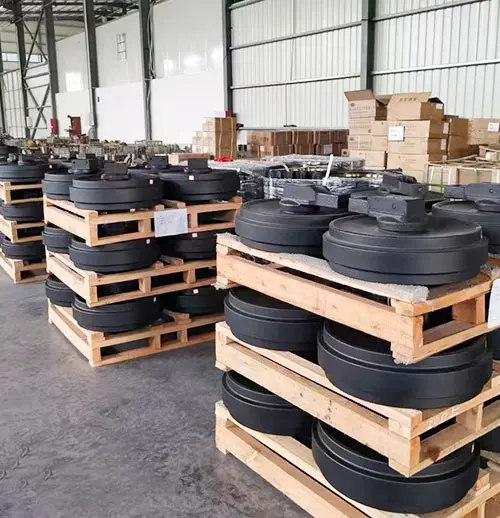
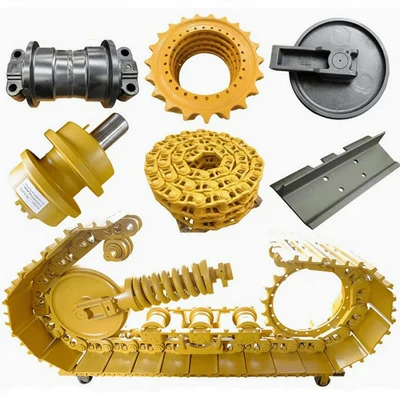
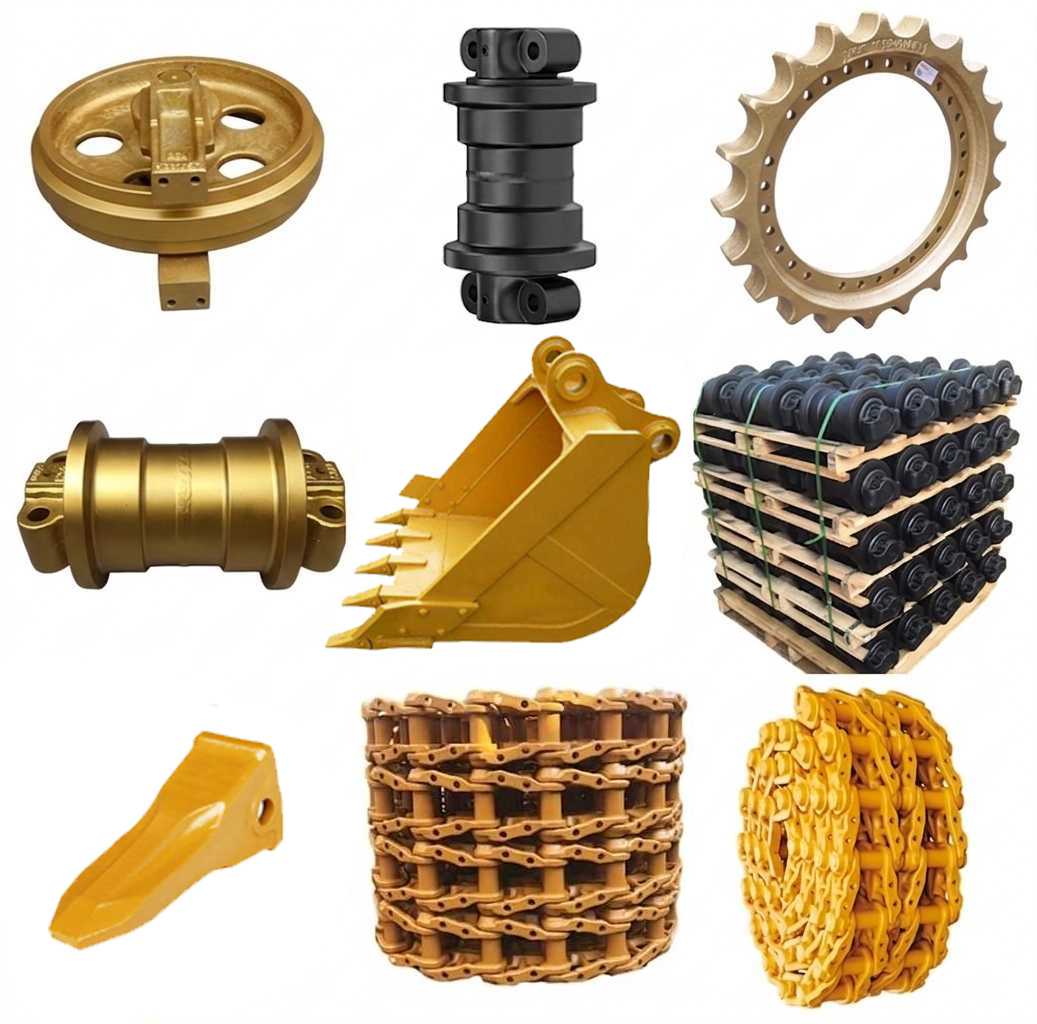

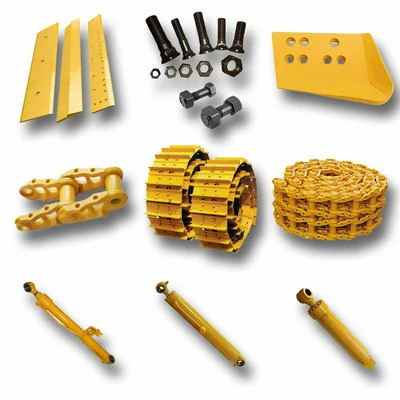
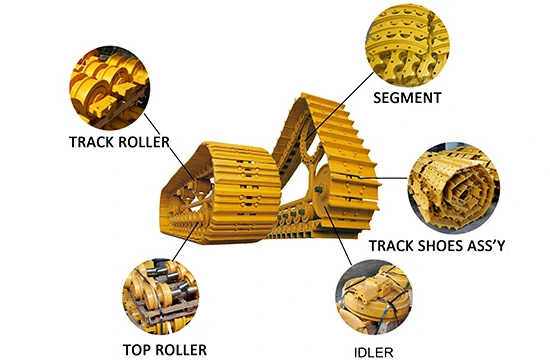
Mold fees for custom undercarriage parts 1 are determined by various factors including design intricacy 2, material, and production requirements, often necessitating upfront investment 3 for precise manufacturing.
Mold fee calculation is influenced by part complexity, material, and initial setup costs, typically paid upfront, with ownership retained by the supplier.
Is the mold fee a one-time charge, and who owns the mold after it's paid for?
Mold fees are a one-time investment.
Mold fees are typically a one-time charge, covering non-recurring expenses like R&D and fabrication, with ownership usually retained by the supplier for maintenance and logistics.
Ownership and cost
- One-Time Fee: Covers complete tooling expenses 4.
- Supplier Ownership: Supplier retains the mold for storage and upkeep 5.
- Buyer Access: Limited to product usage and approval.
Fee details
| Element | Specification | Role |
|---|---|---|
| Fee Type | Non-recurring | Initial investment |
| Ownership | Supplier | Maintenance |
Can I get a detailed breakdown of how the mold cost is calculated?
Detailed cost breakdown reveals charge components.
A detailed mold calculation often includes part size, material choice, design complexity, and first sample production costs, providing an overview of expenses involved.
Factors in mold cost
- Size and Material: Larger, specialized materials 6 increase costs.
- Design Complexity: Intricate shapes require detailed engineering 7.
- Setup Costs: Initial fabrication and sample production expenses 8.
Cost breakdown
| Item | Cost Influence | Contribution |
|---|---|---|
| Size | Increased material need | Price elevation |
| Design Complexity | Detailed engineering | Complexity fee |
Is it common to pay the full mold fee upfront, or can it be split?
Upfront payment minimizes risk.
Typically, mold fees are paid fully upfront to mitigate supplier risks before fabrication, although negotiation may allow partial payments divided across the production stages.
Payment norms
- Full Upfront: Covers initial supplier costs 9.
- Partial Options: Divided payments post-negotiation.
Payment terms
| Type | Payment Timing | Practicality |
|---|---|---|
| Full | Before fabrication | Minimizes risk |
| Partial | Stage-based | Negotiable |
Will the mold fee be refunded or credited back to me after I place a certain volume of orders?
Volume-based refunds are rare.
A mold fee's refund or credit is not commonly practiced unless negotiated, largely due to its one-time nature in covering upfront tooling costs irrespective of order volumes.
Refund considerations
- Rare Practice: Typically not credited owing to its one-time nature irrespective of order volumes 10.
- Negotiated Opportunities: Possible via special agreements.
Refund options
| Practice | Occurrence | Condition |
|---|---|---|
| Standard Refund | Rarely | Special cases |
| Credit Back | Exceptional | Volume negotiation |
Conclusion
Understanding mold fee calculations and payment terms is crucial for managing costs and expectations in the production of custom undercarriage parts, requiring both strategic planning and negotiation for optimizing expenses.
Footnotes
1. Overview of custom manufacturing for heavy machinery undercarriage components. ↩︎
2. How part complexity and intricate designs affect mold manufacturing costs. ↩︎
3. Guide to understanding upfront investments in B2B manufacturing contracts. ↩︎
4. Explaining what is included in non-recurring tooling expenses. ↩︎
5. Best practices for supplier-managed mold storage and maintenance agreements. ↩︎
6. Impact of high-performance or specialized alloys on tooling costs. ↩︎
7. The role of CAD/CAM and detailed engineering in mold fabrication. ↩︎
8. Understanding costs associated with first article inspection and sample production. ↩︎
9. Why suppliers require coverage of initial costs before starting production. ↩︎
10. Explaining why mold fees are separate from per-piece price, regardless of volume. ↩︎