How are the MOQ and tiered pricing for undercarriage parts for excavators typically determined?

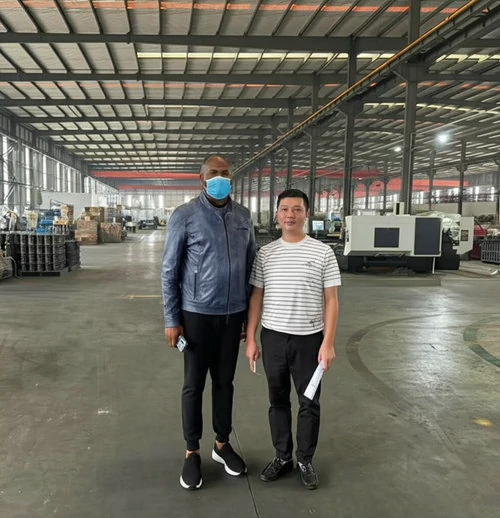
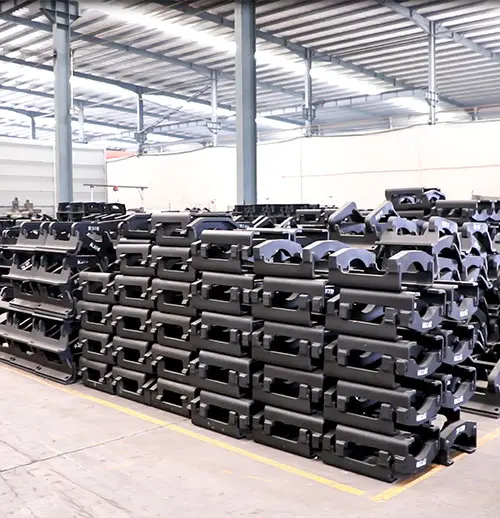
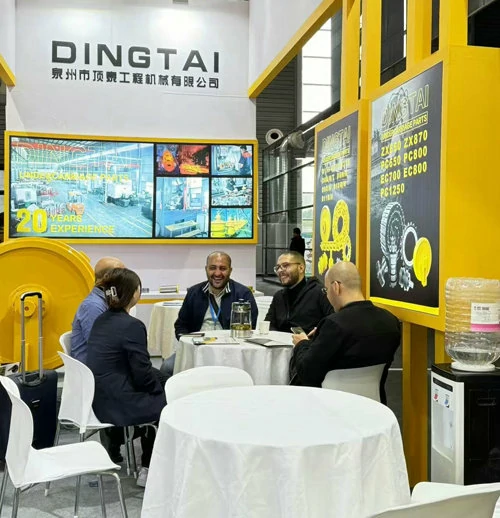
  Warehouse with construction equipment display

Understanding how Minimum Order Quantities (MOQ) and tiered pricing 1 are set for undercarriage parts helps you navigate purchases more effectively. These parameters vary by part type and manufacturing considerations.

MOQ and tiered pricing strategies are based on production costs, order volume, supplier capacity, and market demand.

Why do suppliers have an MOQ for their products?

Settling a clear MOQ ensures cost-effectiveness in production.

Suppliers set an MOQ to cover fixed production costs—like machine setup 2, tooling, and raw materials—ensuring economically viable manufacturing.

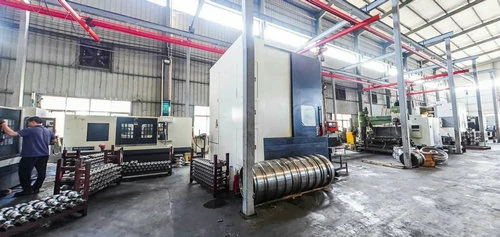
Worker operating CNC machine in factory

Importance of MOQ

  • Cost Coverage: Fixed costs, such as creating a specific forge die or mold, necessitate a baseline quantity to amortize the investment.
  • Manufacturing Efficiency: Larger batches optimize production efficiency 3 and reduce the per-unit impact of setup time.
  • Inventory Management: Helps optimize stock levels and reduce the cost of holding surplus inventory.

MOQ benefits

Aspect Benefit Cost Management
Fixed Costs Coverage Sustainability
Efficiency Operational Optimization

Can I negotiate a lower MOQ for my first trial order?

Suppliers may agree to lower MOQs for initial orders.

For trial orders or new buyers, negotiating a lower MOQ 4 is feasible, especially when you showcase potential for long-term partnerships and volume increases.

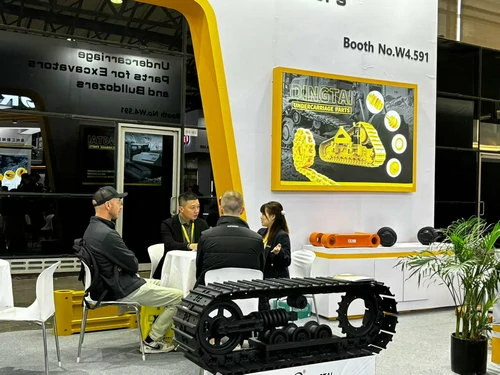
Business meeting with gear performance charts

Negotiation strategies

  • Promising Future Orders: Commit to future volume for a lower introductory MOQ. Offering a phased purchasing plan builds confidence.
  • Demonstrate Potential: Highlight potential for repeat business to gain supplier confidence.
  • Trial Understanding: Emphasize the trial nature for mutual business evaluation. Many suppliers accept a higher per-unit price for a one-time trial batch.

MOQ flexibility

Strategy Implementation Supplier Agreement
Future Commitments Strategic Likely
Trial Context Evident Probable

How much of a discount can I typically expect if I increase my order quantity significantly?

Bulk purchasing can lead to significant cost savings.

Increasing order quantity typically accesses discounts through tiered pricing, with more significant reductions achieved through larger volume thresholds that reflect economies of scale 5.

Warehouse managers analyzing growth charts

Discount dynamics

  • Volume Discounts: Proportionate decreases in price per unit as volume grows.
  • Tier Adjustments: Price "breaks" are not arbitrary; they are often set at points where the manufacturer achieves new efficiencies, like a full production run or a bulk raw material purchase 6.
  • Scalable Saving: Larger orders yield better per-unit pricing as fixed setup costs are spread across more items.

Discount expectations

Order Adjustment Pricing Reduction Cost Effectiveness
Volume Increase Substantial Economical
Tier Expansion Competitive Favorable

Can I combine different part numbers in one order to meet the total MOQ requirement?

Combining orders optimizes purchasing strategies.

Combining different part numbers can help achieve the total MOQ, effectively optimizing orders and fulfilling varied equipment needs, especially if the parts belong to the same part family 7.

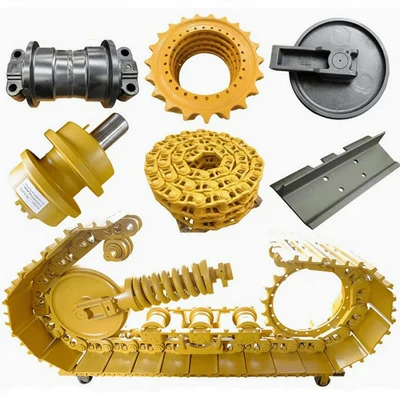
Professional presenting technical components in meeting

Combination strategy

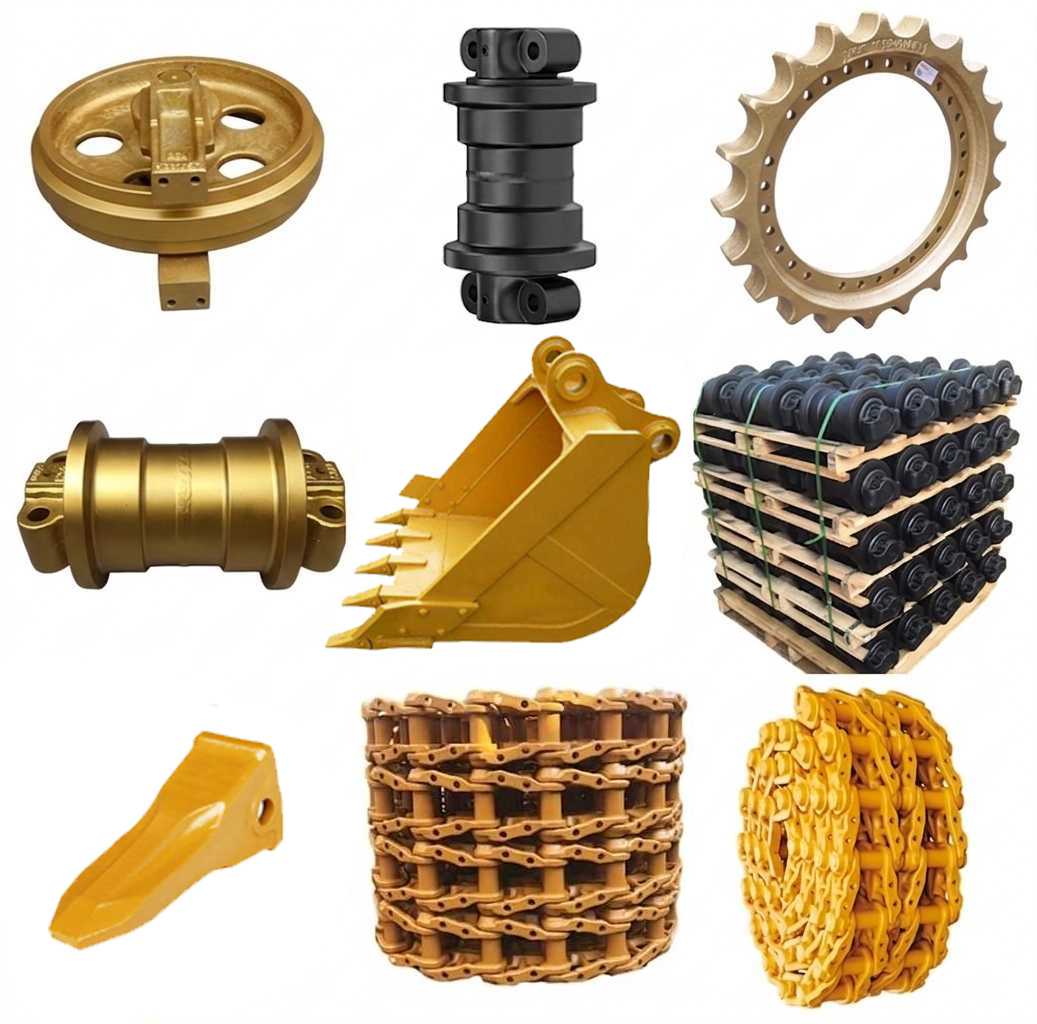
  • Mixed Orders: Part number amalgamation (e.g., two types of track rollers) to meet a total quantity. This works best if the parts share similar manufacturing processes 8.
  • Supplier Discussion: Confirm flexibility for mixed batches. A supplier is more likely to agree if the parts use the same raw material and can be made in the same "batch."
  • Demand Fulfillment: Meet diverse needs within a single dispatch.

Order combination

Approach Strategy Supplier Flexibility
Mixed Model Aggregated Moderate
Custom Request Tailored Negotiable

Conclusion

Understanding MOQ and tiered pricing helps secure better terms, leveraging production economics 9 and strategic ordering. Discussing with suppliers and presenting potential can optimize procurement costs.

Footnotes  

1. An explanation of tiered pricing models and how they work. ↩︎  
2. Learn about the fixed costs associated with manufacturing setup. ↩︎  
3. How manufacturers measure and improve production efficiency. ↩︎  
4. Effective strategies for negotiating MOQs with B2B suppliers. ↩︎  
5. A guide to economies of scale and how they lower production costs. ↩︎  
6. Insights into sourcing strategies for industrial raw materials. ↩︎  
7. Understanding "Group Technology" and "part families" in manufacturing. ↩︎  
8. An overview of batch production and its manufacturing logic. ↩︎  
9. A primer on the core principles of production economics. ↩︎  
10. Best practices for improving operational effectiveness in procurement. ↩︎

Free Quote & Information Request

Leave your inquiry, we will provide you with quality products and services!

Excavator & Bulldozer Undercarriage Parts Expert - Quality Track Roller, Carrier Roller, Sprocket Wheel
Privacy Overview

This website uses cookies so that we can provide you with the best user experience possible. Cookie information is stored in your browser and performs functions such as recognising you when you return to our website and helping our team to understand which sections of the website you find most interesting and useful.