How can a supplier prove their undercarriage parts for excavators have high quality consistency between batches?

Searching for suppliers online

  Scientist analyzing material under microscope in robotic facility

To ensure high quality consistency between batches 1 of undercarriage parts, suppliers must provide robust documentation, certifications, and traceability that showcase uniform production standards and controls.

Detailed records and transparent processes provide reassurance of consistent quality across manufacturing cycles.

Can they provide me with quality control data from previous batches of the same product?

Reviewing historical quality control data 2 helps verify consistency over time.

Suppliers should share inspection reports, test results, and performance metrics from previous batches to demonstrate stable quality production 3.

Two colleagues discussing data on digital tablet in industrial setting

Important data to provide

  • Test Reports: Share dimensional, hardness, and material property data across batches.
  • Certification Documents: Provide compliance certificates showing adherence to expected specifications.
  • Performance Metrics: Offer data on part endurance, wear rates, or customer satisfaction.

Review of quality data

Data Type Purpose What to Check
Test Reports Verify accuracy Consistent measures
Certificates Ensure compliance Matches standards
Metrics Evaluate performance Consistent outcomes

Do they have a system for tracking raw materials and production parameters for each batch?

A robust tracking system 4 ensures detailed traceability for all materials and parameters.

Suppliers should maintain organized records that link each batch to its raw materials and production details, ensuring any inconsistencies are traceable and addressable.

Person using computer for industrial design in spacious warehouse

Tracking elements

  • Material Traceability 5: Document sourcing, batch numbers, and test results for raw materials.
  • Production Parameters: Record key manufacturing conditions 6, such as temperature, pressure, and time settings.
  • Control Records: Keep batch-specific checklists to ensure uniform process adherence.

Traceability system

Element Role Assurance
Material Tracking Raw material consistency Source verification
Parameter Recording Process uniformity Quality control

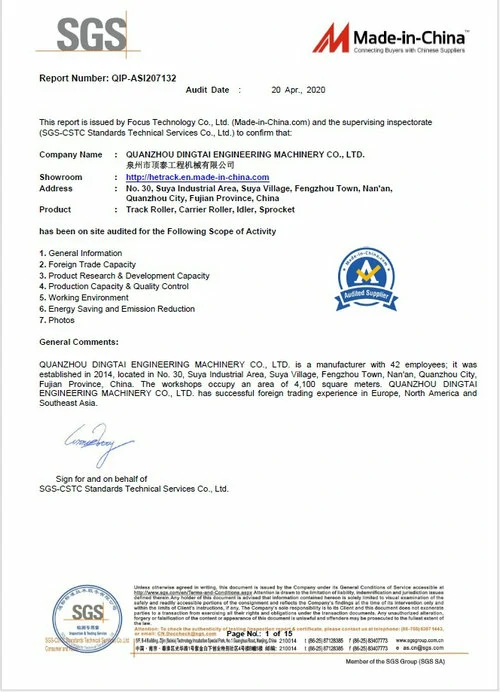
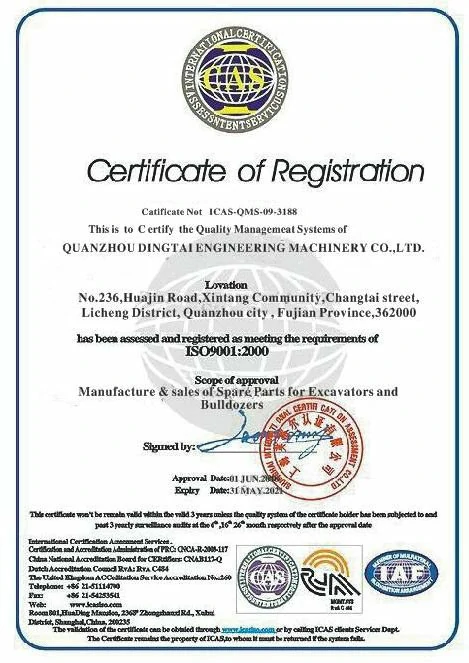
How does their ISO 9001 system help ensure batch-to-batch consistency?

ISO 9001 certification 7 provides a structured quality management framework.

This system ensures standardized practices for manufacturing and quality assurance, fostering batch-to-batch uniformity.

Technician inspecting metal wheel components with inspection tool

ISO 9001 contributions

  • Standardized Procedures 8: Establishes clear protocols for production and inspection.
  • Regular Audits: Ensures compliance through periodic reviews and improvements.
  • Continuous Improvement: Encourages adjustments for quality advancements and defect reduction.

ISO 9001 benefits

Feature Benefit Impact
Standard Protocols Consistent production Uniform batches
Audits Ongoing compliance Quality assurance

What is their procedure if a batch is found to not meet the quality standard?

Clear corrective action procedures 9 ensure non-conforming batches are addressed swiftly.

Suppliers should have a documented process outlining steps for rectifying quality issues, from identification to resolution.

Close-up of precision measurement on large metal component

Addressing issues

  • Immediate Action: Isolate the problematic batch for detailed inspection and testing.
  • Root Cause Analysis 10: Identify causes of deviation, whether material, equipment, or human error.
  • Corrective Measures: Implement adjustments to rectify issues and prevent recurrence.

Quality control process

Step Action Outcome
Isolation Identify defects Limit damage
Analysis Determine causes Inform prevention
Correction Implement fixes Restore quality

Conclusion

Consistent quality assurance across batches of excavator undercarriage parts hinges on transparent documentation, robust tracking systems, and adherence to structured manufacturing protocols such as ISO 9001.

Footnotes  

1. Learn methods for maintaining batch-to-batch quality consistency. ↩︎  
2. How historical QC data and inspection reports verify supplier stability. ↩︎  
3. Definition of stable quality production and its key performance indicators. ↩︎  
4. Guide to traceability and robust tracking systems in manufacturing. ↩︎  
5. Importance of material traceability for quality control in the supply chain. ↩︎  
6. Why monitoring manufacturing conditions and production parameters is critical. ↩︎  
7. How ISO 9001 certification helps ensure product and batch consistency. ↩︎  
8. Benefits of implementing standardized procedures in manufacturing. ↩︎  
9. Best practices for handling non-conforming products and batches. ↩︎  
10. Guide to performing root cause analysis for manufacturing defects. ↩︎

Free Quote & Information Request

Leave your inquiry, we will provide you with quality products and services!

Excavator & Bulldozer Undercarriage Parts Expert - Quality Track Roller, Carrier Roller, Sprocket Wheel
Privacy Overview

This website uses cookies so that we can provide you with the best user experience possible. Cookie information is stored in your browser and performs functions such as recognising you when you return to our website and helping our team to understand which sections of the website you find most interesting and useful.