How can I assess a supplier’s quality control system for undercarriage parts for excavators, from raw material to shipping?

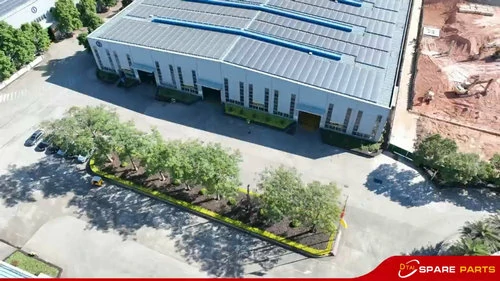
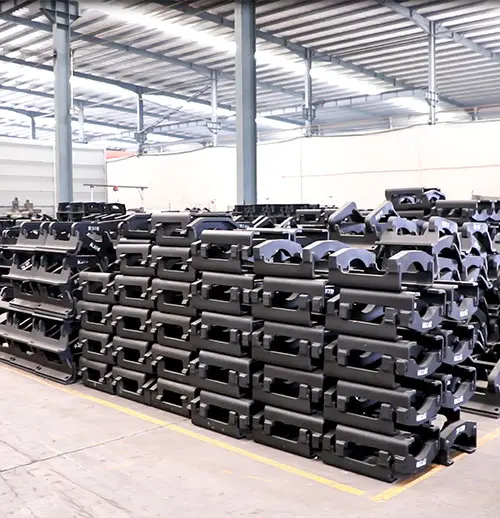
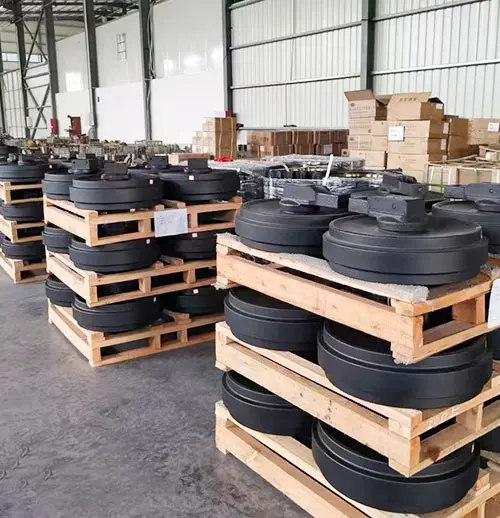
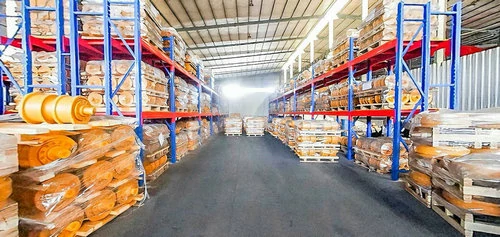
  Illustration of warehouse with production and packing areas

Evaluating a supplier's quality control (QC) system is critical to ensuring that the undercarriage parts you receive meet high standards of reliability and performance 1. This starts from examining their processes for raw material acquisition through to shipping protocols 2.

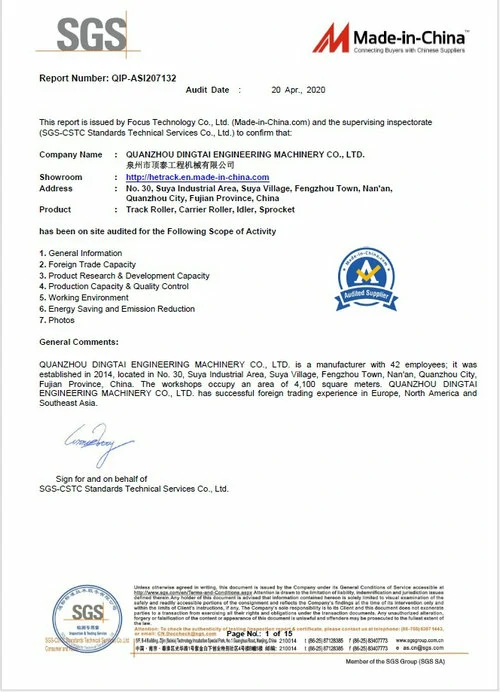
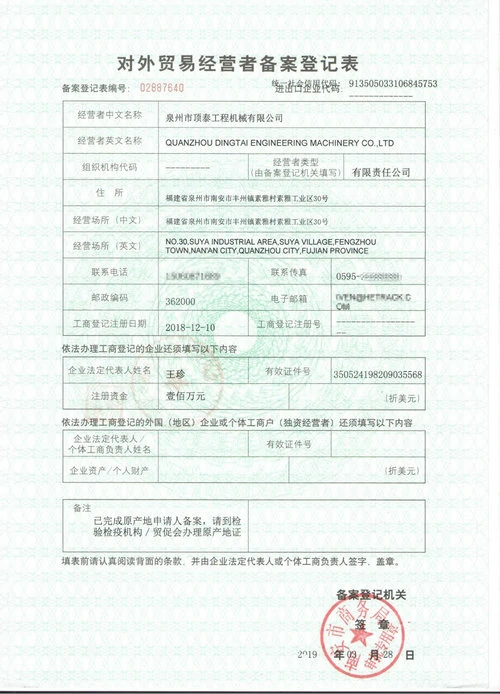
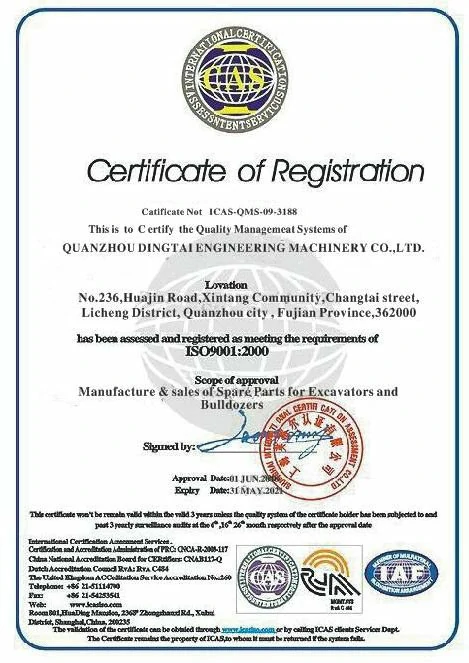
Focus on verifying certifications, quality procedures, and monitoring practices at each stage of production to ensure comprehensive quality assurance.

Below are some steps and questions to guide your assessment.

What questions should I ask about their incoming raw material inspection process?

Understanding raw material checks helps ensure that the foundation of the parts' quality is sound.

Ask about the specific tests and certifications required, and how non-conforming materials are handled upon arrival.

Two workers surveying materials in large industrial warehouse

Key questions to ask

Raw material verification

Inquiry Importance Verification
Analysis Reports Ensures base quality Insist on test documentation
Composition Checks Confirms specifications Regularity of tests
Handling Non-Compliance Quality assurance Defined procedures

How do they ensure quality control at each stage of the production line?

Continual monitoring throughout the production process is crucial for maintaining quality.

Investigate their in-process inspections and checks to ensure errors areidentified early on.

Operator evaluating equipment in testing lab environment

Production control insights

Stage-wise monitoring

Stage Control Method Impact
Forging/Casting Temperature and form checks Prevents defects
Heat Treatment Hardness testing Ensures durability
Machining Dimensional checks Matches design

Can they show me records of their in-process quality checks and final inspections?

Access to records provides transparency and proof of routine diligence in quality management.

Request documentation proving adherence to QC procedures at each critical stage of production.

Illustration of tech lab with engineers working on systems

Requesting evidence

  • Can you provide examples of inspection reports and heat treatment results?
  • What are the acceptance criteria for final product inspections?
  • Are records accessible for third-party verification 7?

Documentation review

Record Type Purpose Quality Assurance
Inspection Reports Process adherence Proof of diligence
Heat Treatment Results Durability assurance Verifies standards
Acceptance Criteria Entry threshold Set quality bar

How does their QMS handle a non-conforming part found during production?

The response to quality issues indicates the robustness of their Quality Management System (QMS) 8.

Explore their protocols for identifying, documenting, and rectifying non-conforming parts swiftly and effectively.

Worker activating safety signal light in spacious facility

Corrective process questions

  • What steps are taken when a defect is discovered during production?
  • Do they maintain records of non-conforming parts and corrective actions?
  • How are root cause analysis 9 and prevention mechanisms implemented?

Non-conformance management

Corrective Action Procedure Outcome
Defect Resolution Immediate steps Minimized disruptions
Record Maintenance Documentation Accountability
Preventive Actions Root-cause analysis Future avoidance

Conclusion

Assessing a supplier’s quality control system from raw materials to final shipping involves a thorough review of their processes, certifications, and documentation practices 10 to ensure the consistent delivery of high-quality undercarriage parts.

Footnotes  

1. Learn about setting industrial reliability and performance benchmarks. ↩︎  
2. Best practices for final inspection and shipping protocols. ↩︎  
3. Guide to understanding material analysis and test reports. ↩︎  
4. Overview of chemical composition verification in steel manufacturing. ↩︎  
5. Importance of monitoring heat treatment cycles for part durability. ↩︎  
6. Why routine calibration of manufacturing machinery is essential. ↩︎  
7. Role of third-party verification in confirming supplier claims. ↩︎  
8. What a Quality Management System (QMS) includes. ↩︎  
9. Techniques for effective root cause analysis in manufacturing. ↩︎  
10. Guide to best practices in quality control documentation. ↩︎

Free Quote & Information Request

Leave your inquiry, we will provide you with quality products and services!

Excavator & Bulldozer Undercarriage Parts Expert - Quality Track Roller, Carrier Roller, Sprocket Wheel
Privacy Overview

This website uses cookies so that we can provide you with the best user experience possible. Cookie information is stored in your browser and performs functions such as recognising you when you return to our website and helping our team to understand which sections of the website you find most interesting and useful.