Regarding undercarriage parts for excavators, how should I ask about the roller body material?

Laptop displaying engineering designs with industrial gear components

Selecting the appropriate material for roller bodies is crucial for the durability of excavator undercarriage parts. It's important to be direct and precise when inquiring about this topic.

To learn more about the roller body material, I prefer direct inquiries on material specifics, including grades and treatments, which reveal the supplier's precision and insight about product quality.

Here’s how I form my questions to get detailed and useful information.

What specific steel grades, like 40Mn2 or 50Mn, should I expect for high-quality rollers?

Steel grade choice directly affects product durability and service life. These grades are commonly used standards.

High-quality rollers often use steel grades like 40Mn2 1 and 50Mn 2. These are known for high tensile strength and wear resistance, providing improved longevity.

Photography studio setup with large mechanical components for product showcase

Asking about steel grades

  • Direct Material Inquiry: Ask suppliers if they employ specific alloys such as 40Mn2 or 50Mn in the production process, emphasizing their effectiveness.
  • Request Chemical Composition Details: Understand the precise composition to verify quality and suitability.

Key steel grades

Steel Grade Characteristics Typical Use
40Mn2 High tensile strength Heavy-duty rollers
50Mn Exceptional wear resistance Standard rollers
Boron-alloyed Enhanced durability Extended service life

Can I request a material composition report for the raw steel they use?

Knowing the material composition verifies authenticity and compliance, helping to ensure quality.

Absolutely, request a detailed material composition report. Suppliers should provide these, reflecting transparency about the raw steel's makeup and standards compliance.

Illustration of engineer overseeing manufacturing process on tablet

Techniques for requesting material composition

  • Ask Directly: Specifically request chemical composition reports as part of material verification.
  • Ensure Compliance: Confirm adherence to necessary industry standards, with composition results tested by recognized bodies.

Importance of composition reports

Report Details Provided Importance
Material Composition Chemical makeup Verifies authenticity
Compliance Certification Adherence to standards Confirms quality
Testing Results Performance analysis Shows robustness

How does the choice of material affect the roller's wear resistance and service life?

Material selection plays a vital role in performance, affecting resistance to wear and operational durability.

The choice influences overall durability—higher-grade materials resist wear better and ensure prolonged service life under typical stresses encountered in excavation operations.

Cross-section of industrial roller highlighting features and materials

Influence of material choice

  • Wear Resistance: Stronger grades lead to lower wear rates, reducing part replacement frequency.
  • Operational Durability: A durable material ensures long service life even under heavy usage, maintaining smooth operation.

Material impact factors

Factor Impact on Roller Influence
Material Grade Ensures longevity Reduces replacements
Wear Resistance Decreases wear rate Extends service life
Heat Treatment Enhances surface hardness Improves durability

Are there different material recommendations for standard versus heavy-duty applications?

Different applications demand specific material characteristics—standard applications focus on basic durability, while heavy-duty needs resilience.

For heavy-duty needs, prefer stronger alloys with added wear resistance and improved tensile properties, ensuring outstanding performance in intense operational conditions.

Modern industrial workspace with multiple screens displaying site work

Tailoring material choices

  • Standard Applications: Mild alloys with basic treatments offer balanced durability.
  • Heavy-duty Operations: Advanced alloys with added treatments ensure high performance under stress.

Material recommendations

Application Material Specification Suggested Solution
Standard Use Mild steel Balanced cost-efficiency
Heavy Duty High-strength alloys Superior operational resilience
Extreme Conditions Specialized coatings Maximized durability

Conclusion

Demystifying material specifics for undercarriage roller applications is essential. It reveals the technical data that assures resilient and cost-effective solutions for excavator operations.

Footnotes

1. Discover the applications and benefits of 40Mn2 steel in machinery parts. ↩︎
2. Understand why 50Mn steel is preferred for its wear resistance in heavy machinery. ↩︎
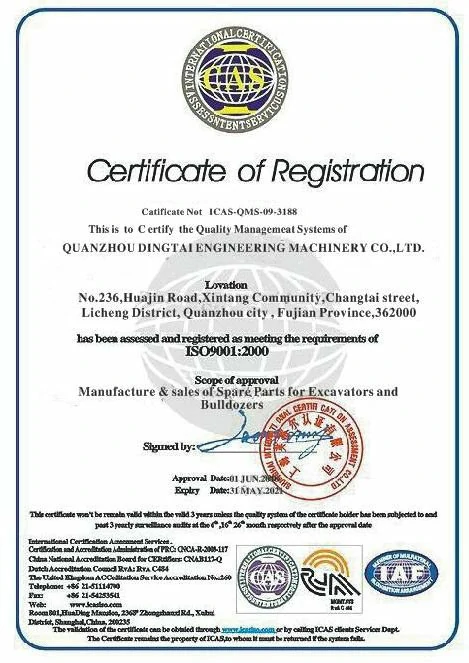
3. Verify material standards and certifications ISO9001 for quality assurance. ↩︎
4. Comprehensive guide to chemical compositions in steel manufacturing. ↩︎
5. Explanation of heat treatment processes and their benefits for durability. ↩︎
6. Exploring the importance of wear resistance in prolonging machinery part life. ↩︎
7. How industry standards impact material selection for excavator parts. ↩︎
8. Role of chemical analysis in material verification and quality control. ↩︎
9. Enhancing performance through strategic material selection for excavation parts. ↩︎
10. Regional advantages in sourcing durable excavator undercarriage parts. ↩︎

Free Quote & Information Request

Leave your inquiry, we will provide you with quality products and services!

Excavator & Bulldozer Undercarriage Parts Expert - Quality Track Roller, Carrier Roller, Sprocket Wheel
Privacy Overview

This website uses cookies so that we can provide you with the best user experience possible. Cookie information is stored in your browser and performs functions such as recognising you when you return to our website and helping our team to understand which sections of the website you find most interesting and useful.