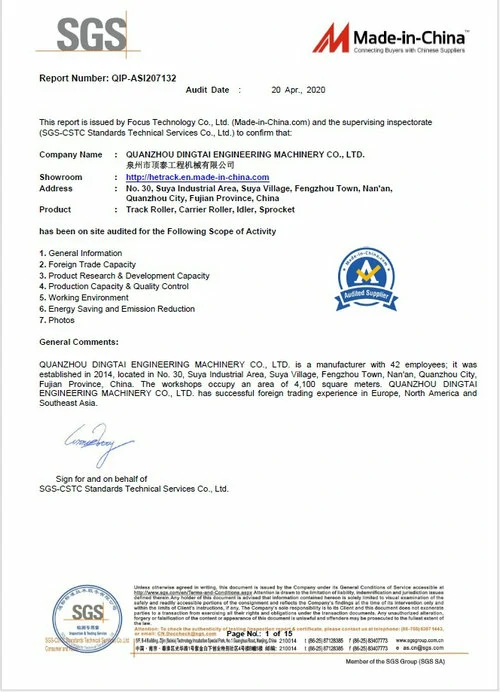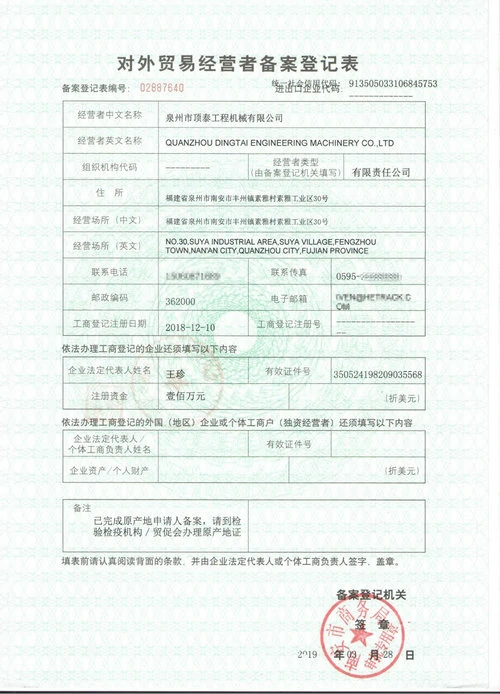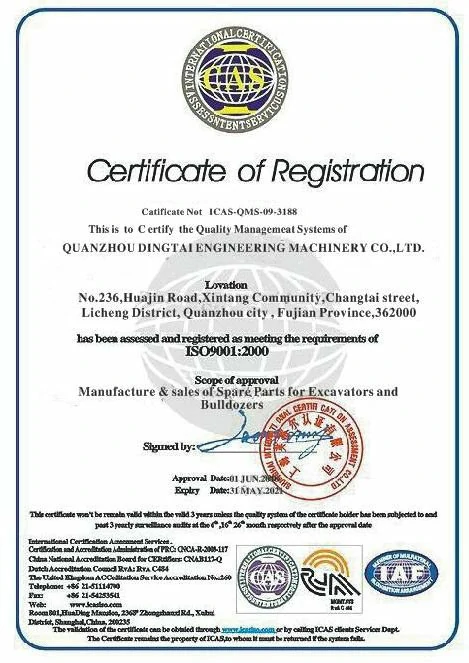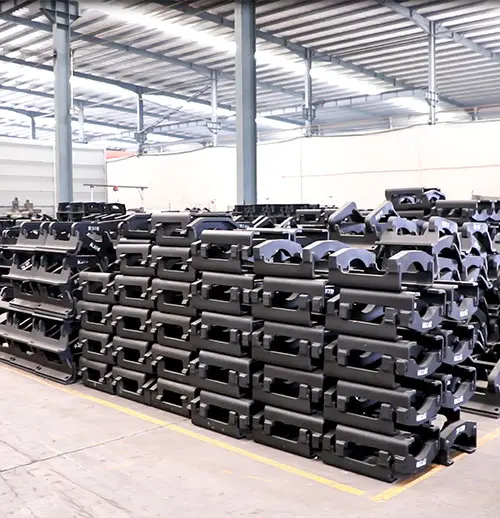
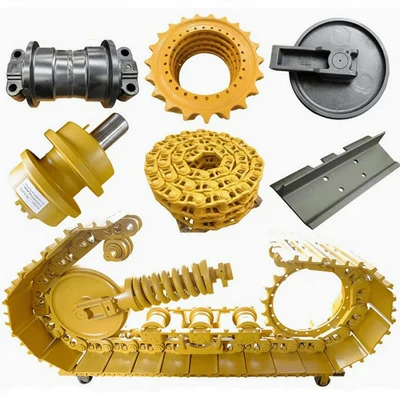
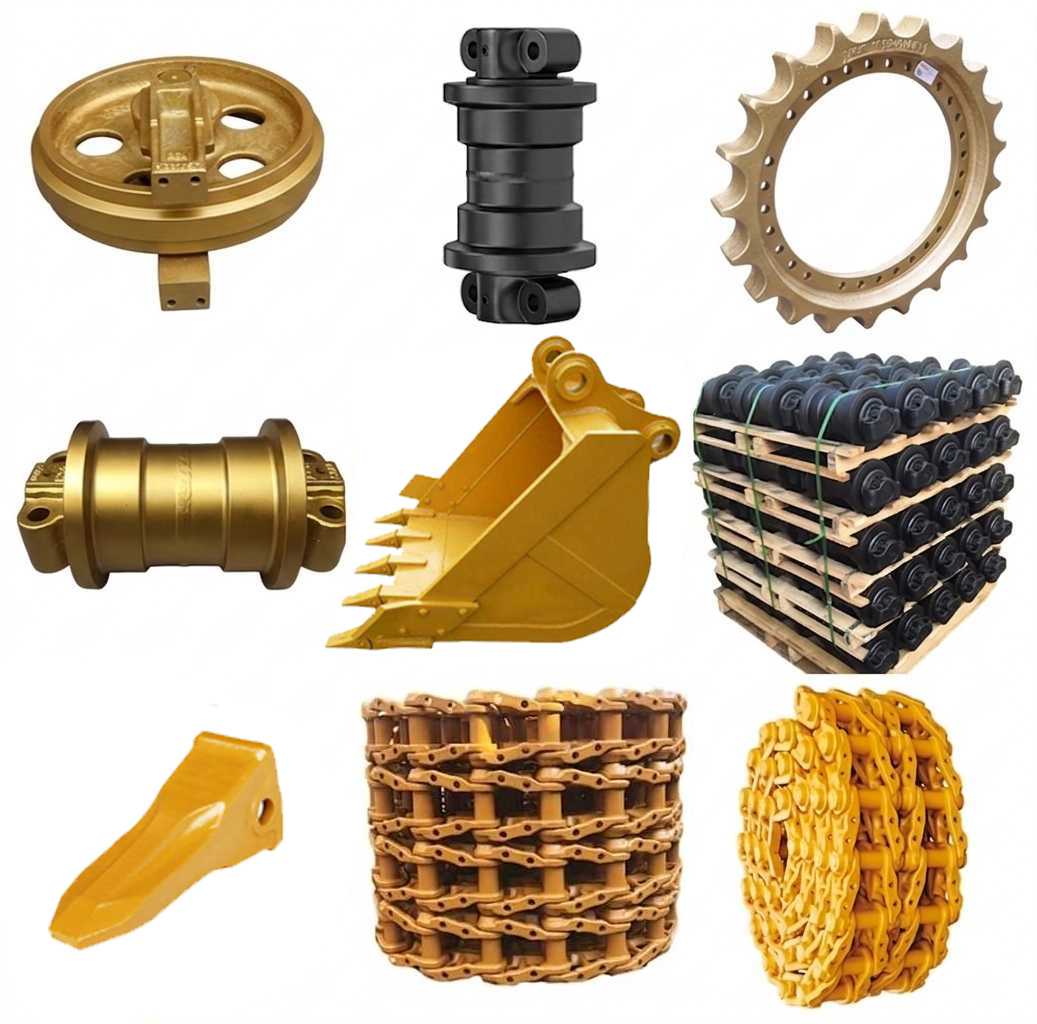
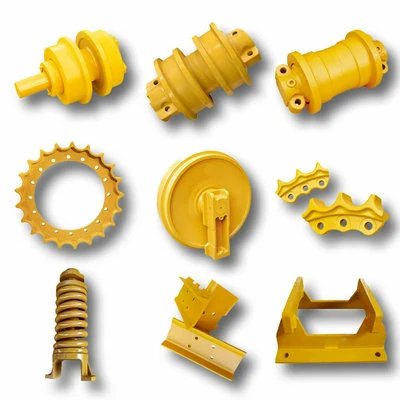
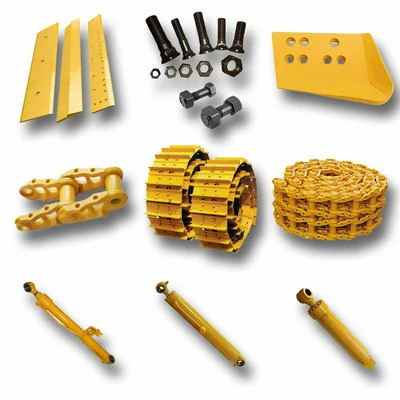
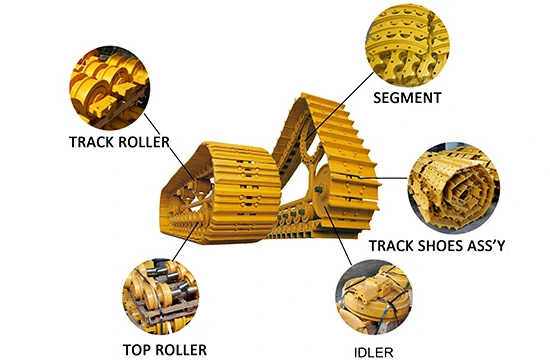
When looking for a supplier, I know focusing solely on price may lead to compromises in other areas. Having been in this field, I ensure to look beyond the cost.
The most crucial factors are the product's quality and certifications, the supplier's reputation and reliability, and the scope of their after-sales support and warranty offerings.
Let’s dive deeper into what each of these entails.
How can I objectively measure a supplier's product quality and consistency between batches?
Product consistency is vital for maintaining efficient operations. However, assessing this requires more than a casual overlook.
Objective measurement involves certification checks, batch testing analysis, and customer feedback review. Ensuring everything line-up confirms the supplier’s commitment to quality. 1
Approaches for checking product quality
- Quality Certifications: ISO 9001 2 is a basic requirement—request to see current certification documents.
- Consistent Batch Testing: Require records from tensile tests and hardness measurements conducted on regular intervals and analyze this data for variance.
- Customer Feedback: Analyze trends in customer feedback, particularly those pointing to consistent quality or variations between shipments.
Quality assurance insights
| Evaluation Criteria | Method | Importance |
|---|---|---|
| Certification Validity | Document inspection | Validates structured processes |
| Test Results Consistency | Regular review | Assures batch uniformity |
| Historical Feedback | Feedback analysis | Targets recurrent issues |
What's the best way to assess their technical support and communication responsiveness?
For smooth operations, technical support and quick responses from suppliers are crucial. Therefore, evaluating them is essential for business continuity.
To assess these, measure response times, evaluate technical knowledge through discussions, and examine the history of resolving previous complaints. 3
Techniques to evaluate support
- Response Measurement: Time the duration it takes to receive answers to questions at random intervals.
- Technical Knowledge Discussions: Engage in detailed discussions about challenges faced and solutions provided—gauge depth of product knowledge.
- Complaint Resolution Records: Request examples of resolutions to past technical issues—assess how disputes were handled.
Insights into effective support
| Support Evaluation | Metric | Benefit |
|---|---|---|
| Response Time | Measure intervals | Proves support readiness |
| Knowledge Level | Discussion depth | Confirms expertise |
| Complaint Cases | Resolution stories | Shows problem-solving skills |
How do I evaluate their production capacity and reliability to ensure on-time delivery?
The ability to deliver undercarriage parts on time is a mark of a reliable supplier. Evaluating this requires specific strategies.
Evaluate by analyzing production reports, visiting facility tours, and reviewing clients’ delivery testimonials to spotlight capacity accuracy and consistency. 4
Strategies for evaluating capacity
- Production Reports: Request data on output figures, including equipment uptime, shifts, and machinery efficiency.
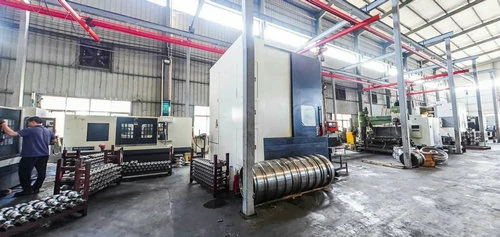
- Factory Tours: Conduct onsite visits or virtual tours for actual insights into facility scale and operation.
- Client Testimonials: Review feedback from other clients, particularly comments on reliable delivery timelines.
Factors ensuring delivery reliability
| Capacity and Delivery | Approach | Significance |
|---|---|---|
| Production Figures | Data inspection | Shows true output ability |
| Facility Insights | Direct tours | Offers operational context |
| Reliable Delivery | Review testimonials | Verifies systematic timeliness |
Why is their experience with the US market just as important as the product itself?
Understanding the US market indicates logistical proficiency, compliance knowledge, and tailored customer service, which are essential for reliability.
Suppliers experienced with the US market understand key regulations, customs clearance, and specific customer preferences, ensuring smoother transactions. 5
Ways to assess US market experience
- Transaction Proofs: Ask for past shipment records, including bills of lading and invoices, specifying US destinations.
- US Customer References: Speak with past or current customers based in the US to gather perceptions of the supplier’s market adaptability.
- Regulatory Confidence: Query about handling US tariffs, customs filings, and local shipping routes, assessing how well they understand these processes.
Market experience assurance
| Market Expertise | Evaluation Method | Importance |
|---|---|---|
| Shipment History | Records request | Affirms process understanding |
| US Client Feedback | Query reviews | Gains US service insights |
| Regulations Handling | Inquiries | Assures procedural competence |
Conclusion
Evaluating suppliers require a thorough exploration of their capabilities beyond price, focusing sharply on quality, support, capacity, and market experience to ensure durable and reliable partnerships.
Footnotes
1. Importance of consistent product quality in supplier evaluation. ↩︎
2. ISO 9001 certification as a foundation for quality assurance. ↩︎
3. Key strategies in assessing supplier communication and support. ↩︎
4. Essential methods to evaluate production capacity reliability. ↩︎
5. Suppliers' US market experience impacts logistics and compliance. ↩︎
6. Role of ISO9001 certification in selecting reliable suppliers. ↩︎