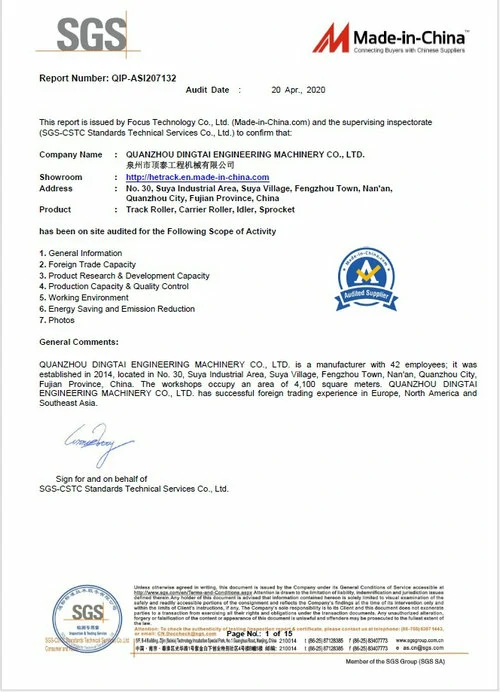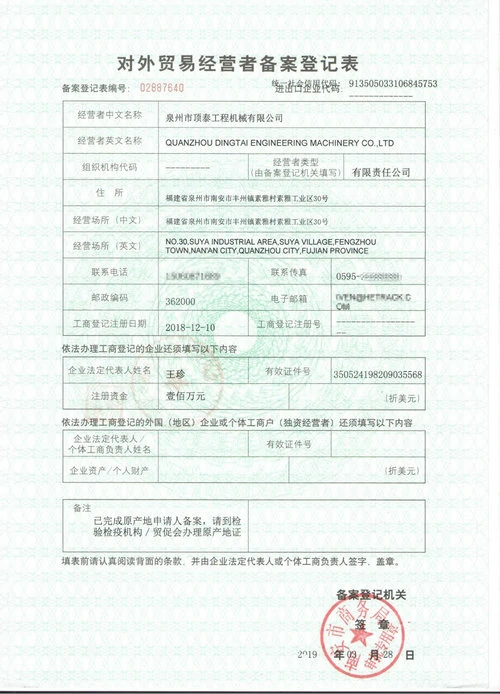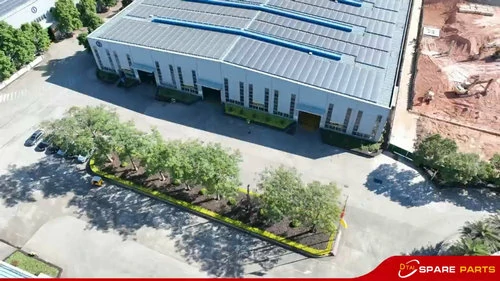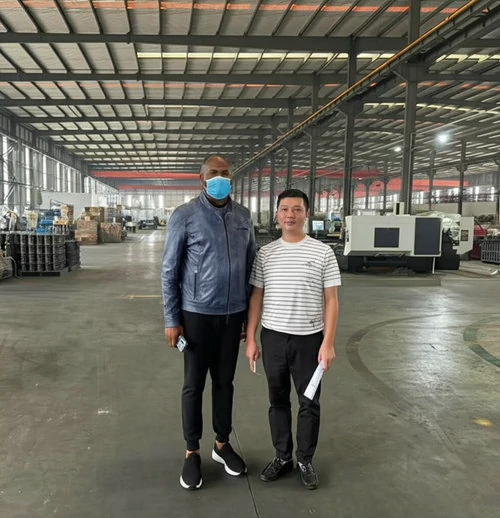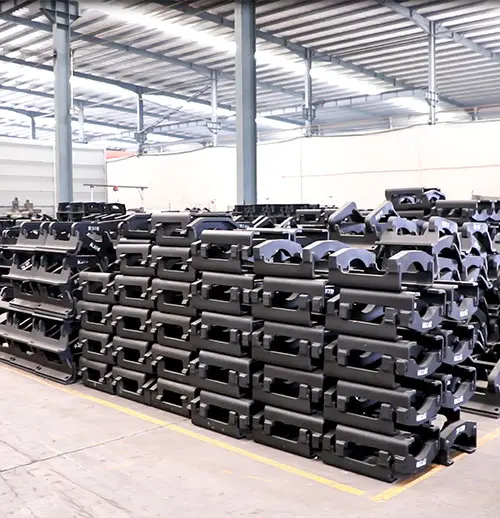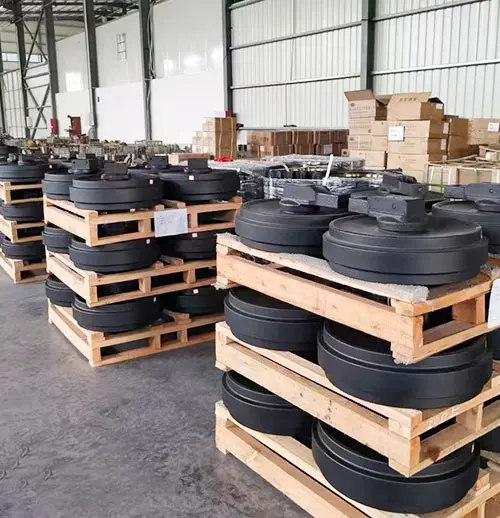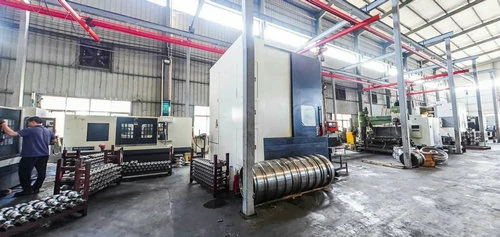
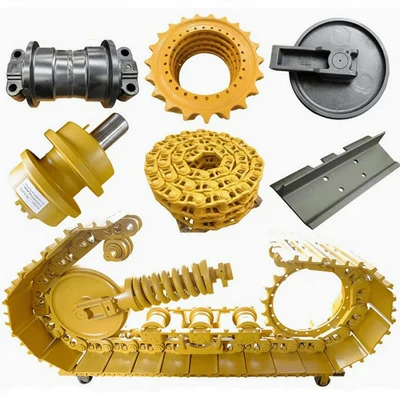
Auditing a factory is critical in ensuring it can meet my standards for manufacturing excavator undercarriage parts. Over the years, I've developed a comprehensive checklist to guide this process.
This checklist covers quality management, production capabilities, workforce expertise, compliance, and after-sales support. It gives me a clear picture of a factory's ability to deliver high-quality, reliable parts.
Below is a practical checklist you can use in your next factory inspection.
What should I look for in their raw material storage and inspection area?
The first stage in the production chain begins with the quality and treatment of raw materials. An effective audit begins here.
In the storage and inspection area, I look for organized stock handling, documented receipt of materials, material test reports, and evidence of regular inspections. 1
Key factors to inspect
- Inventory Management: Raw materials must be clearly labeled and stored to prevent mix-ups. I verify FIFO (first-in, first-out) principles and monitor EPOS systems for accuracy.
- Quality Inspection: Review material certification and traceability records from supplier to storage. Confirm all materials comply with industry-specific standards.
- Environmental Controls: Check for any humidity control or rust prevention measures, especially for steel products.
Critical items on the checklist
| Inspection Area | Key Points | Red Flag Signs |
|---|---|---|
| Inventory System | Clear labeling, FIFO principles | Mixed or unlabeled materials |
| Material Certifications | Verified compliance records | Missing or out-of-date certs |
| Environmental Conditions | Proper temperature, rust controls | Visible corrosion or damp spots |
How can I assess their production line, from forging/casting to heat treatment and machining?
Production line assessment offers insights into throughput efficiency and technical capability. Each process must align with expected industry practices.
In examining these processes, I seek evidence of proper forging, uniform heat treatment, calibrated machining, and quality welding or assembler procedures. 2
Areas to evaluate in depth
- Machinery and Technology: Inspect lathes, CNC machines, heat treatment ovens, and forges for modernity and maintenance logs. Confirm they meet production standards.
- Process Efficiency: Follow a product's progression through key stages, noting time efficiency, bottlenecks, or consistency in outputs.
- Operator Skill Level: Verify operator training records and observe their familiarity with tool operations and safety practices.
Comprehensive process checklist
| Process Stage | Key Evaluation Criteria | Red Flags |
|---|---|---|
| Forging/Casting | Tool condition, product consistency | Outdated equipment or processes |
| Heat Treatment | Temperature controls, evenness checks | Variability in treated parts |
| Machining/Welding | Accuracy of cuts, weld visibility | Rough or inconsistent joints |
On-the-ground assessment actions
- Engage directly with line workers to understand daily challenges.
- Request to review a sample batch run to view machine precision.
- Look for continuous improvement boards showing ongoing upgrades.
What kind of quality control and testing equipment should I expect to see in their lab?
Quality control involves structured testing using specified equipment. This process ensures parts meet design specifications and customer expectations.
In the quality lab, look for hardness testers, dimensional inspection equipment, tensile testers, and relevant industry certification. These ensure high standards of part performance. 3
Key equipment and its role
- Hardness Testers: Verify material resilience. I check the machine calibration logs and test results against provided specs.
- Tensile Testing Machines: These devices measure materials’ strength, critical for ensuring part durability.
- Coordinate Measuring Machines (CMM): Confirms dimensional accuracy necessary for part interchangeability.
Lab equipment checklist
| Equipment Type | Example Tests | Importance Indicators |
|---|---|---|
| Hardness Tester | Rockwell or Brinell tests | Calibration logs, accurate readouts |
| Tensile Tester | Stress testing | Verified to handling loads of use |
| CMM | Dimensional checks | Frequent use, recent certifications |
Assurance of quality through lab practices
- Request demonstration of recent tests with charted results.
- Review maintenance contracts for calibration and repair services.
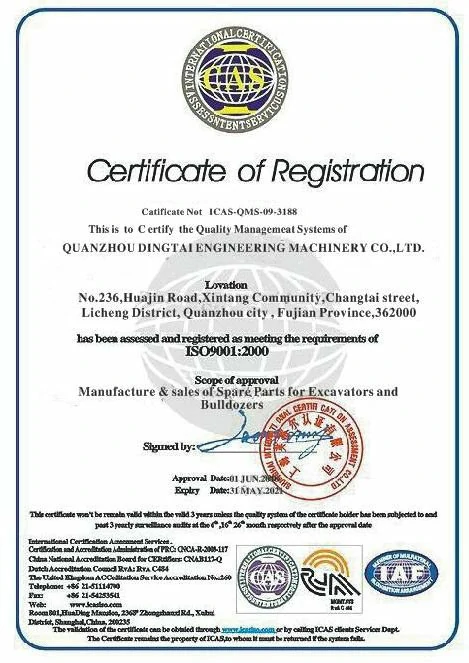
- Confirm adherence to ISO 9001 or relevant standards for tech use.
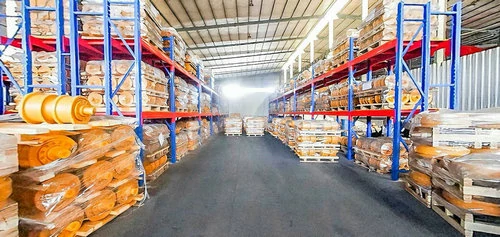
How should I evaluate their warehouse management and final product packaging process?
As the final stages before distribution, warehouse organization and packaging reflect overall efficiency and care in operations.
I assess throughputs, shelf organization, environmental controls, and packaging quality to ensure safe final delivery. 4
Warehouse and packaging key points
- Storage Organization: Look for systematic layouts like SKUs. Confirm inventory alignment through spot checks.
- Packing Process: Evaluate material robustness, correct part labeling, and adherence to client packaging guidelines.
- Shipping Readiness: Review packaging sealing processes, damage mitigation, and outbound logistics accuracies.
Warehouse and packaging assessment items
| Evaluation Area | Key Inspection Factors | Warning Signs |
|---|---|---|
| Storage Setup | SKU and layout, environmental controls | Random placements or open stock |
| Packaging Process | Material, label accuracy | Insecure or mislabeled packages |
| Shipment Hand-offs | Verified tracking/logistics | Missing labels, gaps in logs |
Tangible steps to effective review
- Request a demonstration pack-out process.
- Spot audit stock against recorded inventory checks.
- Track outbound logistics from floor to dock doors.
Conclusion
Proper auditing entails more than a checklist—it requires interaction, observation, and verification to assure part quality, consistency, and factory compliance.
Footnotes
1. Importance of raw material inspection for quality assurance. ↩︎
2. Key aspects of production line evaluation for optimal output. ↩︎
3. In-depth analysis of quality control lab equipment. ↩︎
4. Warehouse and packaging processes impact efficiency. ↩︎
5. ISO9001 certification highlights global quality standards. ↩︎