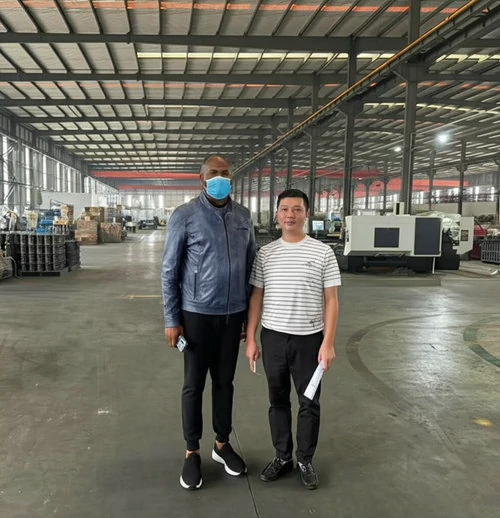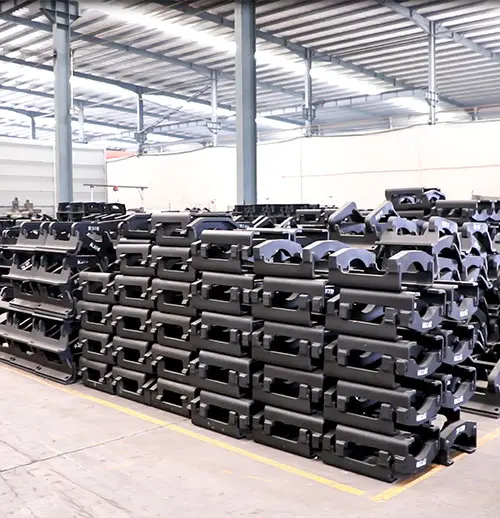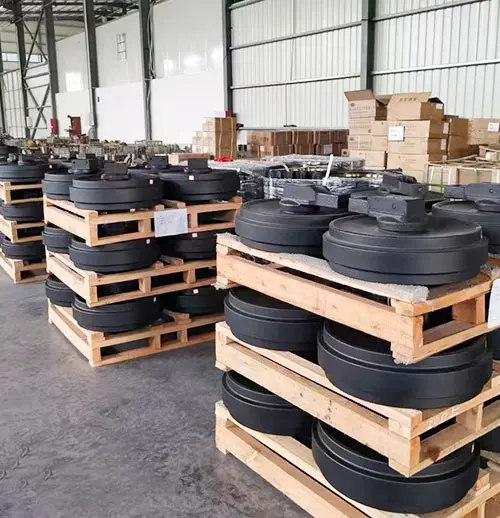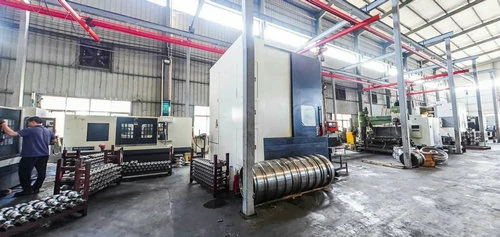
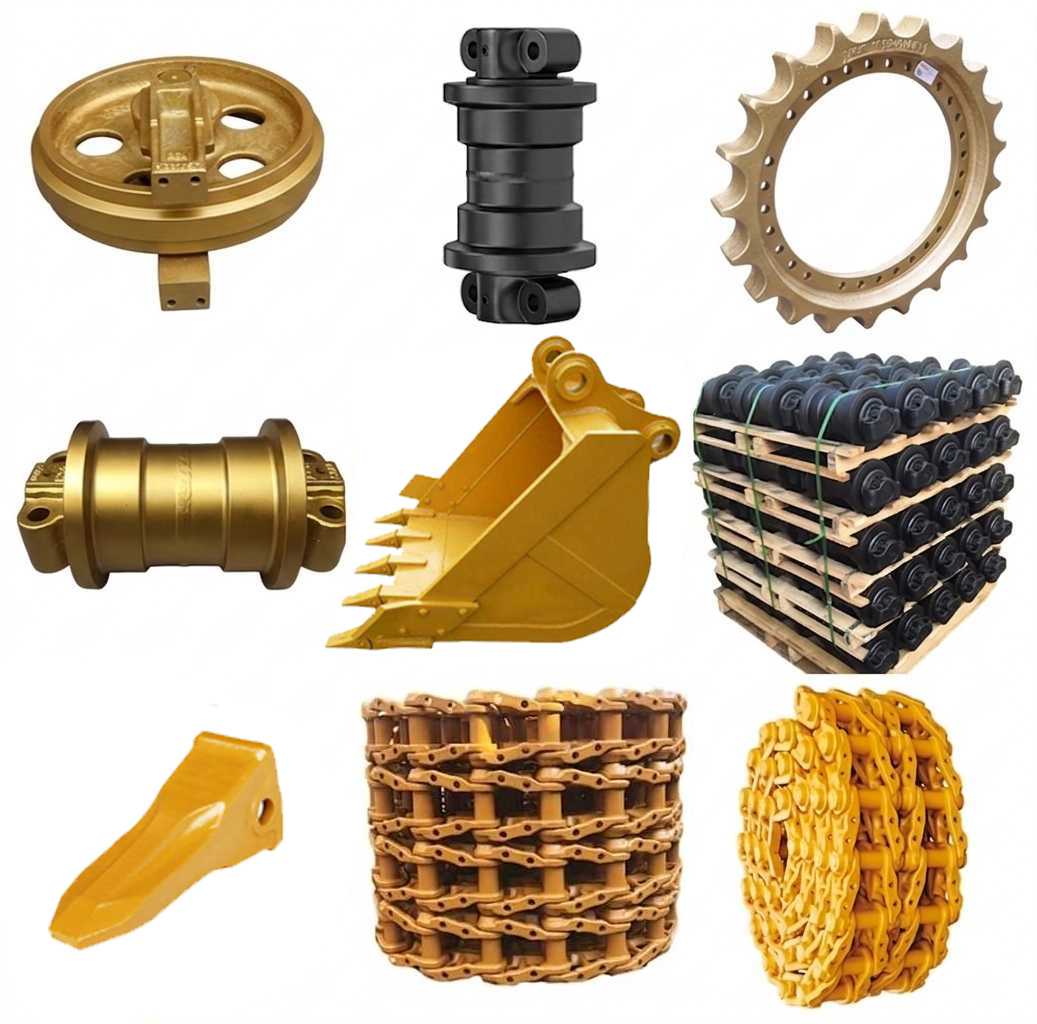
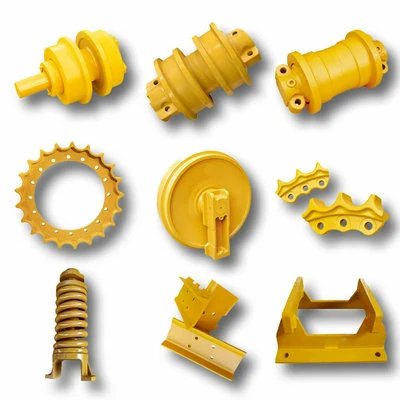
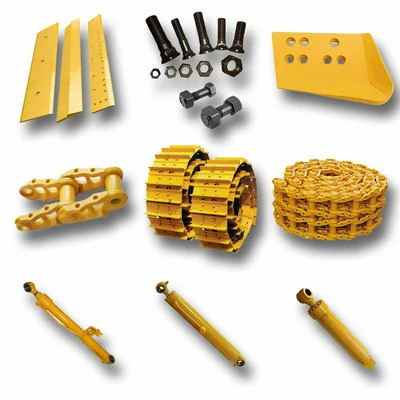
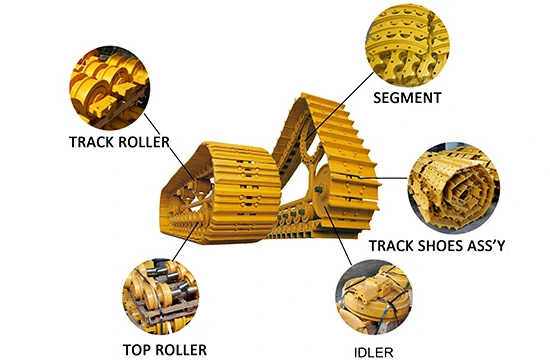
I've tracked undercarriage parts across China. I've mapped out the key clusters to streamline sourcing, optimize costs, and ensure reliable supply.
Primary industrial clusters are in Fujian 1, Guangdong, Zhejiang, Shandong, Jiangsu, Hunan, Liaoning, Sichuan, Anhui, and Hebei. Each offers unique strengths in excavator undercarriage components, from forgings to complete assemblies.
Understanding China’s industrial geography helps you choose the right supplier quickly. Let’s break down each cluster’s specialties and logistics.
Are certain provinces known for higher quality parts than others?
From years of experience, I’ve found that quality often correlates with industrial concentration and technical expertise.
In my sourcing, Fujian and Jiangsu stand out for precision and OEM-grade components. Hunan aligns closely with top OEMs like SANY and Zoomlion 2 for integrated solutions. Zhejiang excels in casting and machining precision.
Breakdown of Quality and Specialties
-
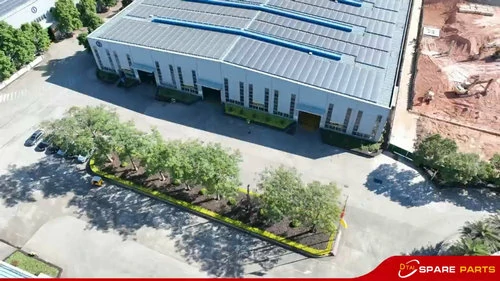
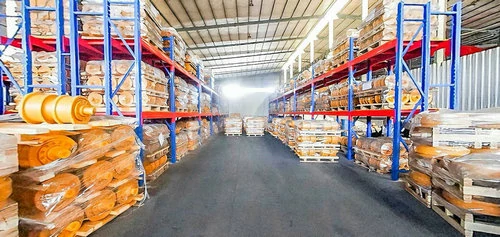
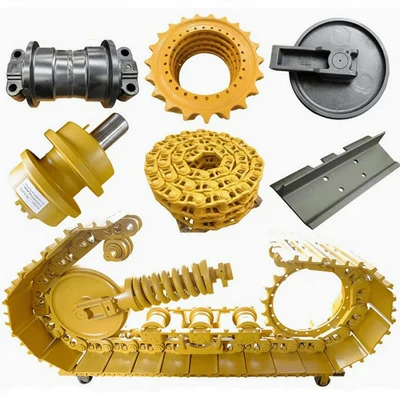
Fujian (Quanzhou, Nan’an, Xiamen): Known as the largest undercarriage hub with extensive investment in CNC machining and automated forging lines. Companies here maintain strong links to global OEM supply chains, ensuring parts like rollers and idlers meet strict tolerances.
-
Jiangsu (Xuzhou, Changzhou): Home to major manufacturers like Caterpillar 3 and SANY, Jiangsu excels in producing complete undercarriage assemblies with rigorous QC systems, aligning with OEM 4 specifications.
-
Hunan (Changsha): Benefits from proximity to leading OEMs like SANY, enabling co-development of high-performance undercarriage parts that are directly integrated into their machinery lines.
-
Zhejiang (Ningbo, Taizhou): Specialized in casting and precision machining, Zhejiang’s parts manufacturers leverage advanced metallurgy and machining technologies to produce high-quality sprockets and track links.
Quality Indicators by Region
| Province | Quality Drivers | Typical Products | Reputation |
|---|---|---|---|
| Fujian | CNC machining, OEM alignments | Track chains, rollers | High precision, global standards |
| Jiangsu | OEM hubs, comprehensive QC | Complete assemblies | Trusted by top brands |
| Hunan | OEM linkages, innovation | Integrated parts | In-house development strength |
| Zhejiang | Casting and machining expertise | Sprockets, links | Known for metallurgy |
A practical tip
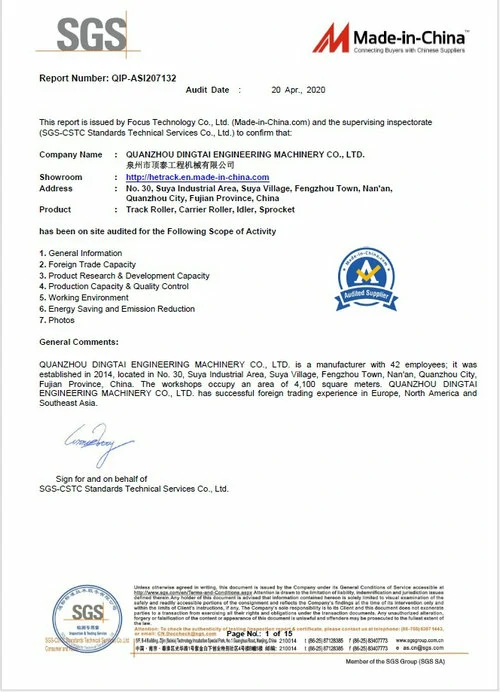
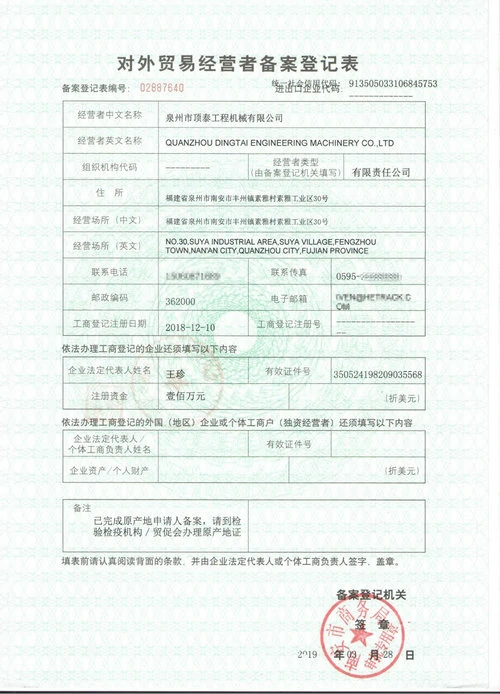
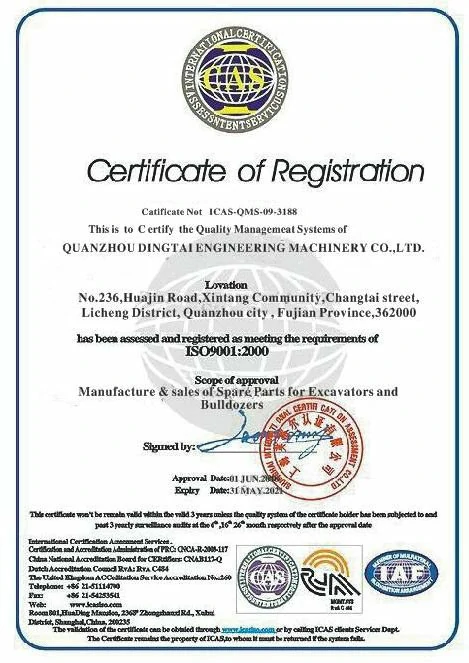
Before choosing a supplier, always request samples and production tours. Verify capabilities through recent ISO certifications 5, past export records, and logistics setups.
How does a manufacturer's location in China impact my shipping costs and lead times?
Location impacts logistics clearly. Distance to ports and efficiency in industrial parks are critical. Coastal locations like Fujian and Guangdong often offer cost benefits and shorter ship times.
Factories in Fujian benefit from ports like Xiamen 6, reducing shipping time and cost. Guangdong offers strong export logistics. Inland locations may have higher drayage costs and lead times but can offer competitive production costs.
Strategic Logistics Considerations
-
Port Proximity: Fujian’s Xiamen Port is one of China’s key ports, enabling expedited shipments. Manufacturers in proximity benefit from reduced drayage and lead times, crucial for bulk shipments.
-
Integrated Industrial Parks: Regions like Jiangsu’s Xuzhou Industrial Park and Zhejiang’s Ningbo area are designed for heavy manufacturing with integrated logistics, streamlining the supply chain.
-
Inland vs. Coastal Costs: Inland factories, despite having competitive manufacturing costs, might incur additional transport fees and longer lead times impacting timely deliveries outside China.
| Region | Key Ports | Logistics Benefits | Considerations |
|---|---|---|---|
| Fujian | Xiamen | Reduced costs, fast export | High demand may affect lead-time |
| Guangdong | Guangzhou | Robust infrastructure | Competitive shipping contracts |
| Inland (e.g., Sichuan) | Chengdu (then rail/road) | Potential lower production costs | Higher transport and longer timelines |
Gathering data before making a decision
Talk to logistics partners about typical rates from key industrial areas. Calculate total delivery costs, factoring in production and freight.
Are the major OEM manufacturing hubs located in these same areas?
Yes, much of China’s OEM manufacturing is located within these industrial clusters. This co-location provides synergy, access to raw materials, and a reduced supply chain footprint.
Jiangsu and Hunan host leading OEMs such as SANY and Caterpillar, aligning local parts production directly with final assembly. Fujian is a key OEM supply base, known for its diverse network of specialized part manufacturers.
OEM and Supplier Integration
-
Jiangsu (Xuzhou, Kunshan): This region encompasses state-of-the-art manufacturing facilities of international and domestic brands, facilitating seamless integration of critical parts into larger construction machinery.
-
Hunan (Changsha): Known for SANY’s massive operations, Hunan utilizes regional suppliers for fast-tracking innovation and serial production of tailored undercarriage parts.
-
Fujian (Quanzhou): While primarily a parts producer, its factories often act as lead suppliers for several OEMs needing precision-made track components and assemblies.
| Province | Key OEM Facilities | Supplier Connection |
|---|---|---|
| Jiangsu | Caterpillar Xuzhou, SANY Kunshan | Wide component integration |
| Hunan | SANY Changsha | Close R&D alliances |
| Fujian | Various parts plants | Direct supply to OEM lines |
How to impact your decision
Align your supplier choice with your target OEM’s region. This ensures compatibility and leverages existing production ecosystems.
What's the best way for me to find suppliers specifically within these industrial clusters?
Finding reliable suppliers is about leveraging both online platforms and ground research. I've refined my approach to ensure precision.
For undercarriage parts, use trade directories, Alibaba, and direct contact at major trade shows like Bauma China 7. Verify claims through Google Maps, supplier audit services, and logistics partner insights.
Steps to Locate Cluster Suppliers
-
Use Online Directories: Start with Alibaba, Made-in-China, and specialized B2B platforms. Filter suppliers by location to focus on Fujian, Jiangsu, and other key provinces.
-
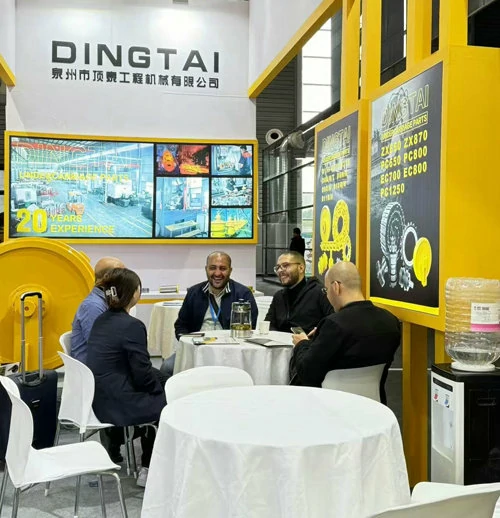
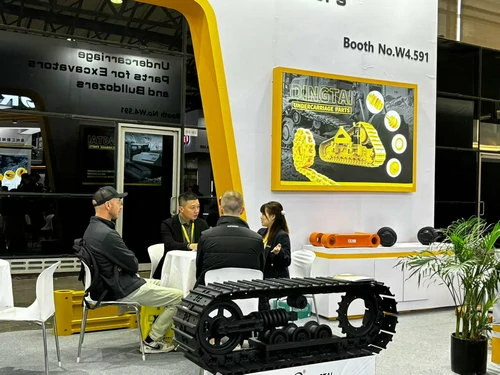
Participate in Trade Shows: Attend Bauma China or global shows like CONEXPO 8 to meet suppliers face-to-face. These events gather major players in construction machinery and parts.
-
Utilize Logistics Insights: Talk to freight forwarders about sourcing trends from China’s industrial hotspots. Their insights on shipping volumes can guide your search.
-
Conduct On-site Verifications: Request address verification with Google Maps. Ask suppliers for factory videos or live tours to verify their bases and facilities.
| Strategy | Benefits | Challenge |
|---|---|---|
| Online Platforms | Quick initial filter | May require deeper verification |
| Trade Shows | Direct supplier engagement | Travel and event costs |
| Logistics Insights | Real-world market data | Requires existing network |
| Factory Visits | First-hand verification | Time-consuming |
A closing suggestion
Combine these steps to shortlist quality suppliers. Follow-up with an initial small order and QC checks to confirm their promises.
Conclusion
China’s industrial clusters offer diverse sourcing options. From Fujian’s machining giants to Jiangsu’s OEM hubs, strategic sourcing aligns with logistics and OEM integration for optimal results.
Footnotes
1. Explore Fujian's manufacturing strengths and synergies. ↩︎
2. SANY and Zoomlion's influence on Hunan's OEM integration. ↩︎
3. Insight into Caterpillar's expansive production facilities. ↩︎
4. Original Equipment Manufacturer definition and significance. ↩︎
5. The relevance of ISO certification in product quality assurance. ↩︎
6. Comprehensive information on the operations at Xiamen Port. ↩︎
7. Bauma China: Premier global construction machinery exhibition. ↩︎
8. Engage with industry leaders at CONEXPO-CON/AGG. ↩︎